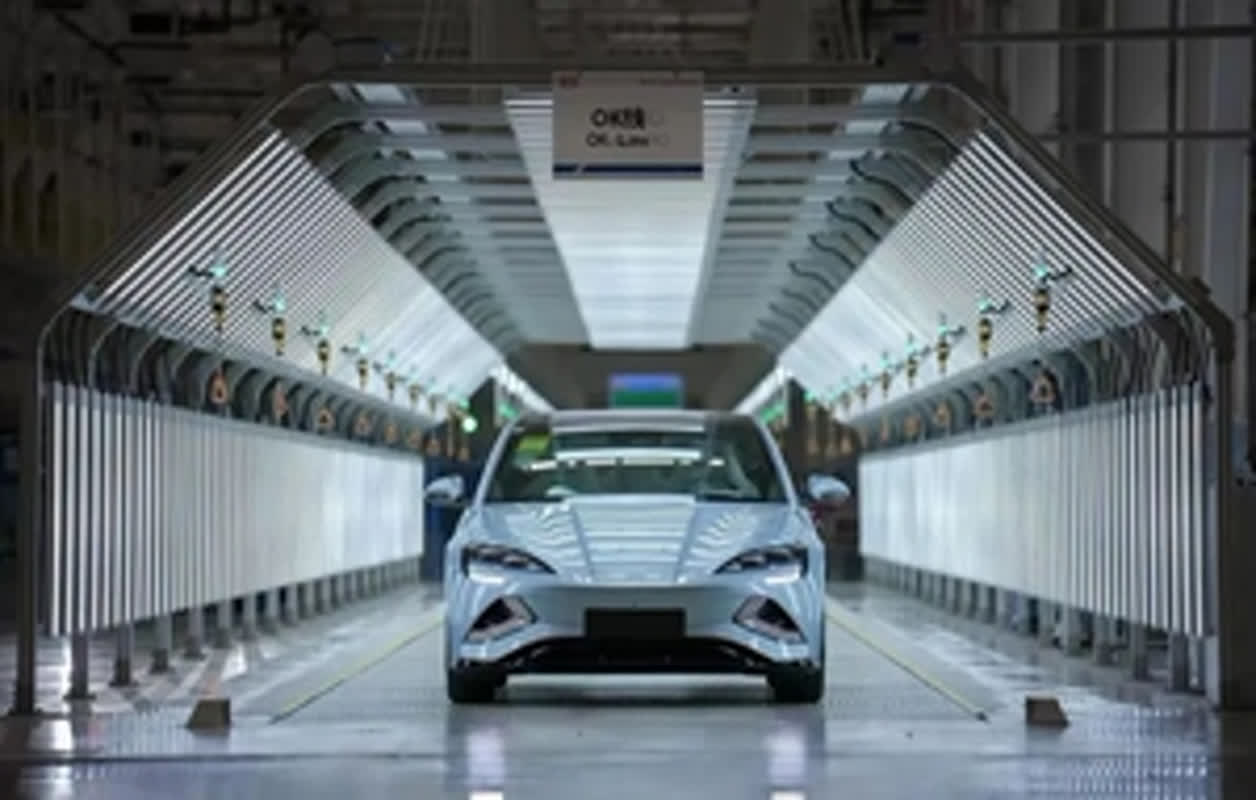
China’s largest EV maker, BYD, has launched its 2026 models — the Seal 06 GT and the Seal 06 DM‑i Touring — signaling a possible shake‑up in the mainstream eco‑car segment.
The all‑electric Seal 06 GT is priced from 128,900 to 169,900 yuan (about 28.23–37.21 million KRW; approximately $21,173–$27,908). The plug‑in hybrid (PHEV) wagon Seal 06 DM‑i Touring starts at 111,900 yuan (about 24.51 million KRW; approximately $18,383), undercutting many established midsize alternatives on price.
Targeted at younger buyers, the pure‑EV Seal 06 GT uses BYD’s second‑generation blade battery with up to 69.07 kWh of capacity and claims as much as 620 km (about 385 miles) on the CLTC cycle.
Higher trims add a LiDAR‑based advanced driver‑assistance suite called “God’s Eye,” and BYD has made its flash fast‑charging technology — which significantly reduces charging time from 10% to 80% — standard across the range to sharpen the car’s product appeal.
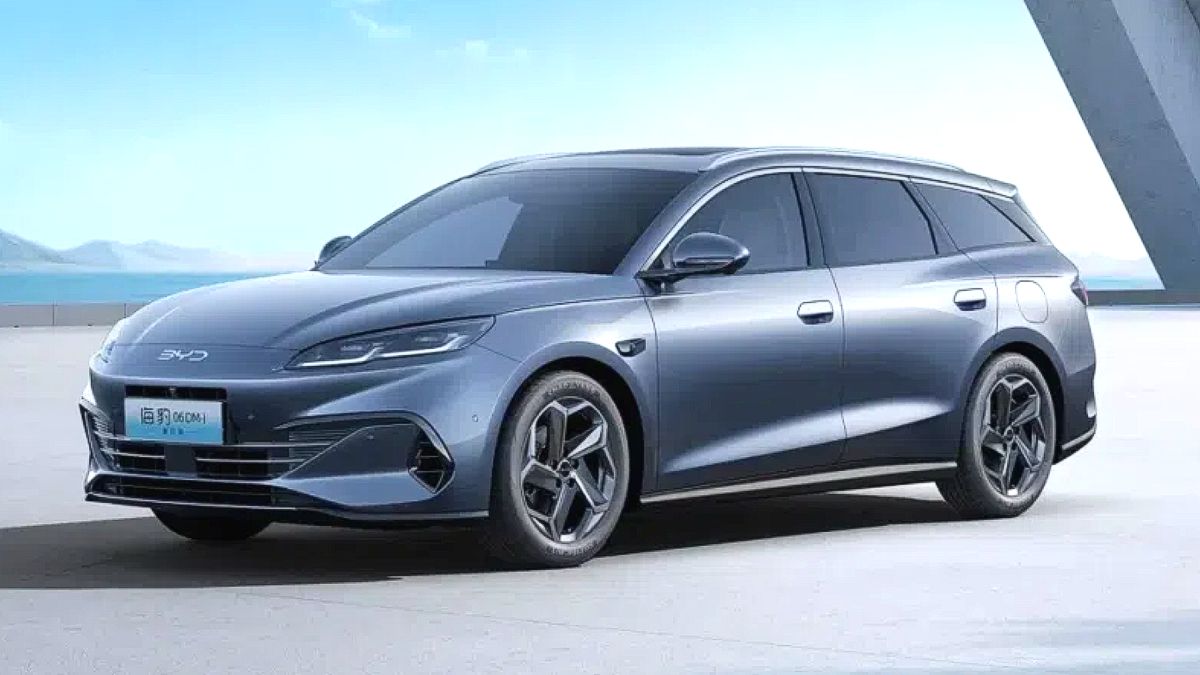
The Seal 06 DM‑i Touring is aimed at families and also targets European demand for practical wagons.
It adopts BYD’s fifth‑generation DM system, pairing an electric motor with a 1.5‑liter internal‑combustion engine, and can travel up to 300 km (about 186 miles) in pure‑electric mode under the CLTC cycle.
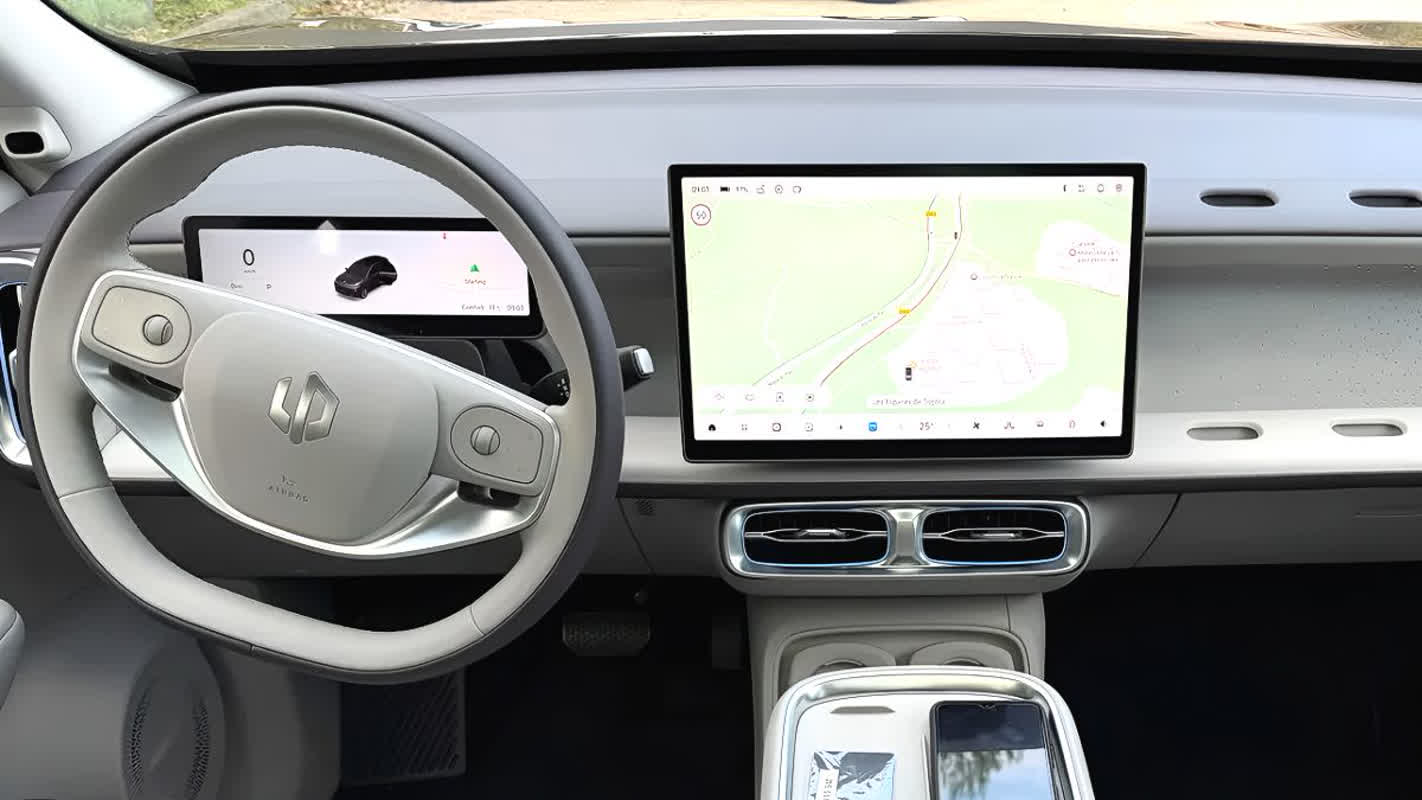
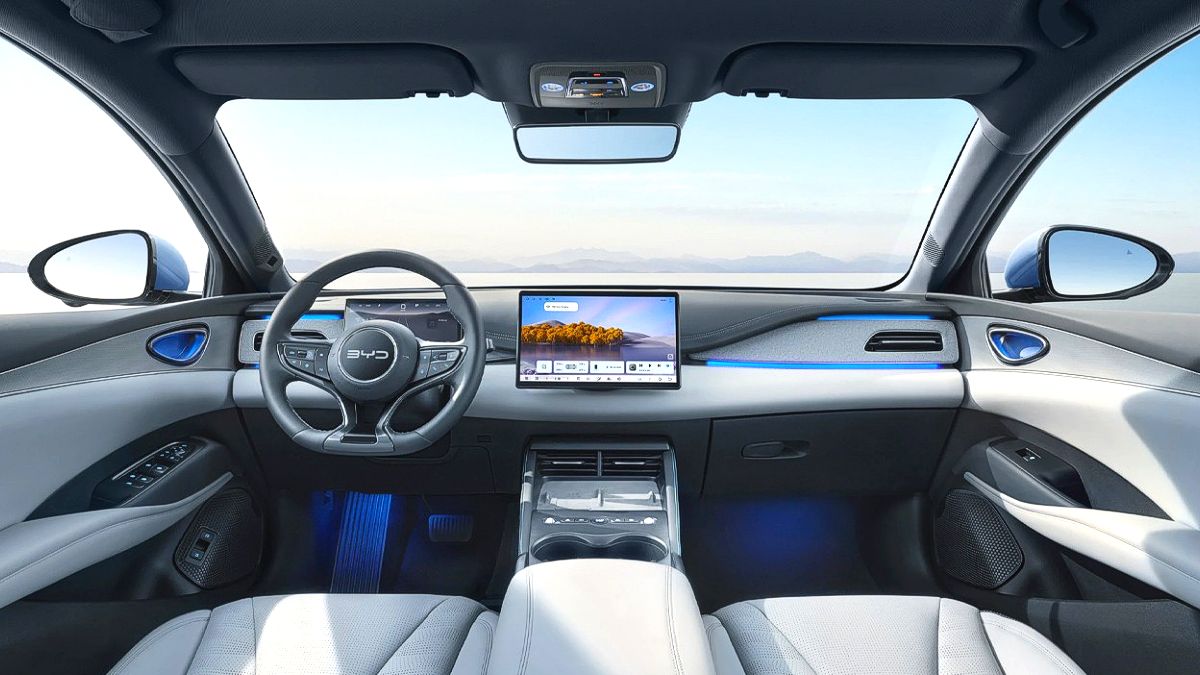
The wagon emphasizes utility and comfort for family buyers, offering generous rear cargo space, a 15.6‑inch display, a panoramic sunroof and a power tailgate — equipment that resonates with household decision makers.
Competition with Korean EVs: “Hyundai’s fundamentals and reliability”
If BYD brings these models to South Korea, expect direct comparisons in the compact EV segment and the midsize hybrid/sedan market.
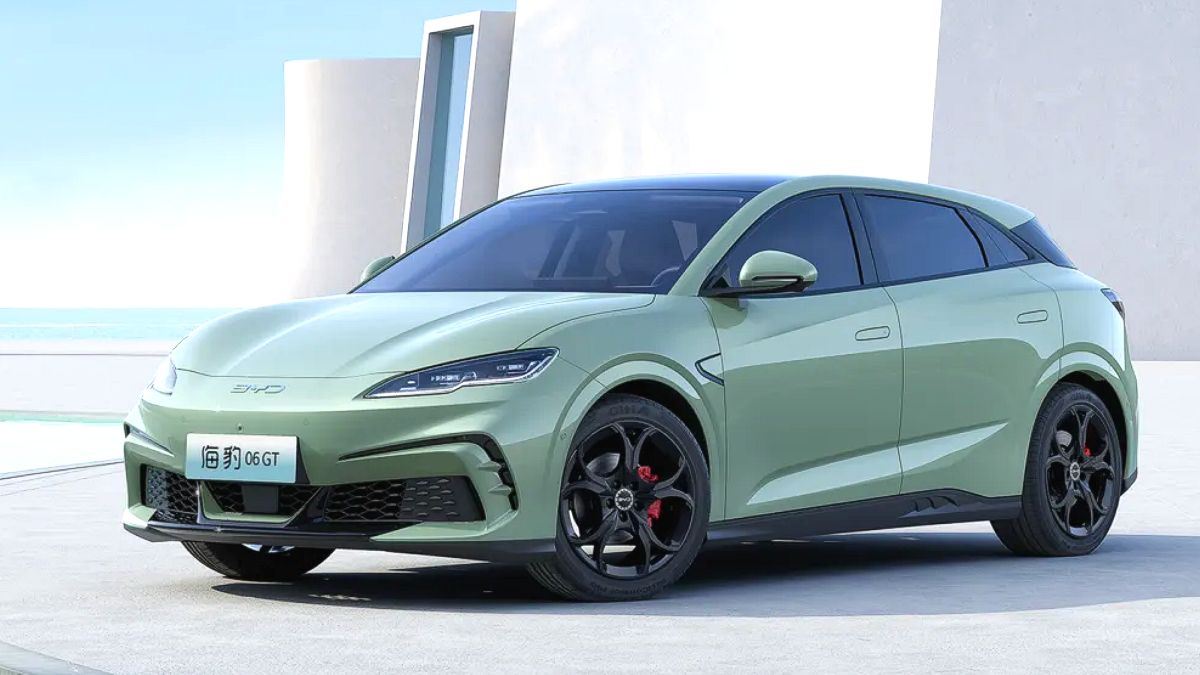
The Seal 06 GT will likely be compared directly to cars like the Kia EV4 and the Hyundai Kona Electric.
Despite BYD’s aggressive pricing and feature set, many analysts still consider Hyundai Motor Group’s models superior in driving feel and brand trust.
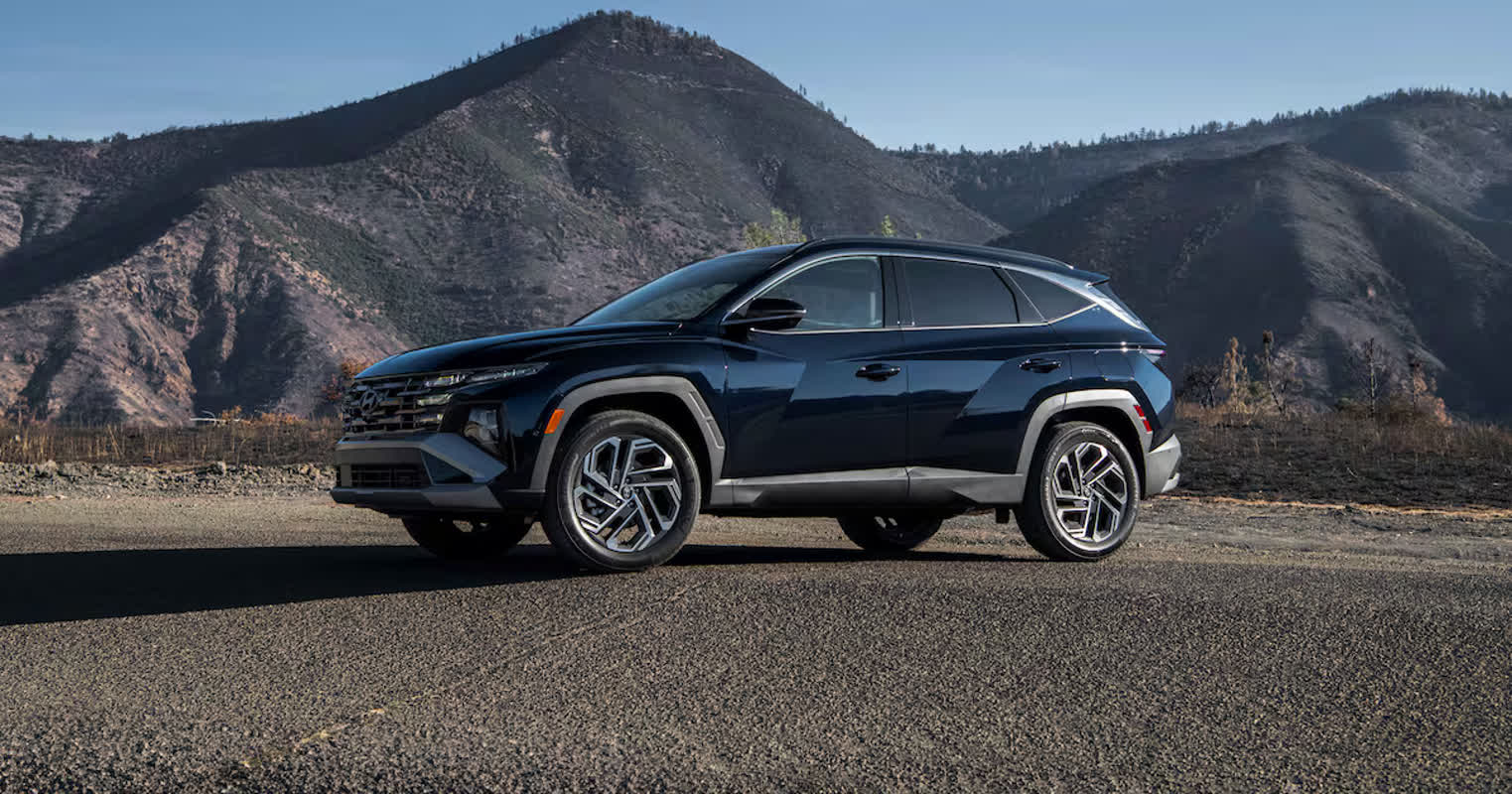
Hyundai’s EV lineup benefits from the proven E‑GMP dedicated electric platform and long experience validating ride quality and durability across a wide range of climates and real‑world driving conditions.
Equally important to many buyers are proven battery‑management systems (BMS) that reduce fire‑risk concerns and extensive nationwide after‑sales service networks — capabilities that go beyond headline option lists and influence final purchase decisions.
“Is Korea a ‘wagon graveyard’? Can unbeatable value change the game?”
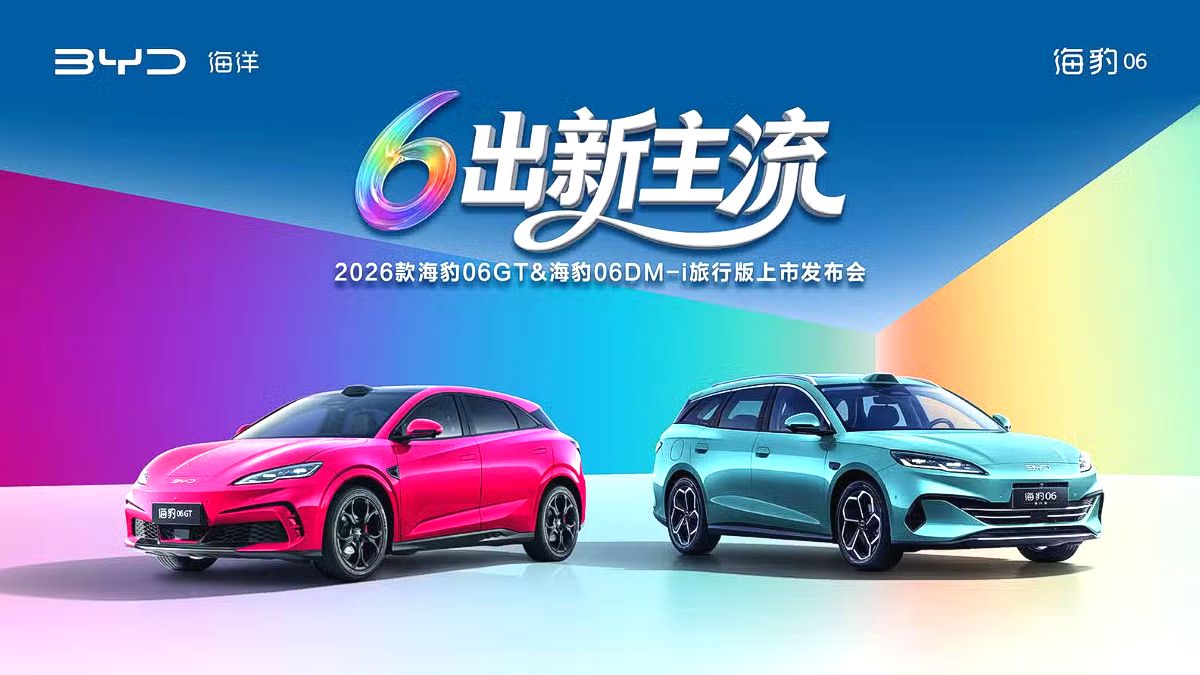
The Seal 06 DM‑i Touring could become a market dark horse, particularly among pragmatic family buyers.
South Korea has long favored sedans and SUVs — a trend that earned wagons the nickname “wagon graveyard.” But BYD’s price positioning changes the calculus.
In China the Touring starts at about 111,900 yuan (about 24.51 million KRW; approximately $18,383). Translated into the Korean market, that’s roughly 24.51 million won (approximately $18,383) — about 8 million won (approximately $6,000) less than the starting prices of Hyundai’s Sonata The Edge hybrid and the Kia K5 hybrid, which begin in the low 32 million‑won range (about $24,000).
If BYD can preserve similar price competitiveness when it enters Korea, the perceived barrier to ownership would drop substantially.
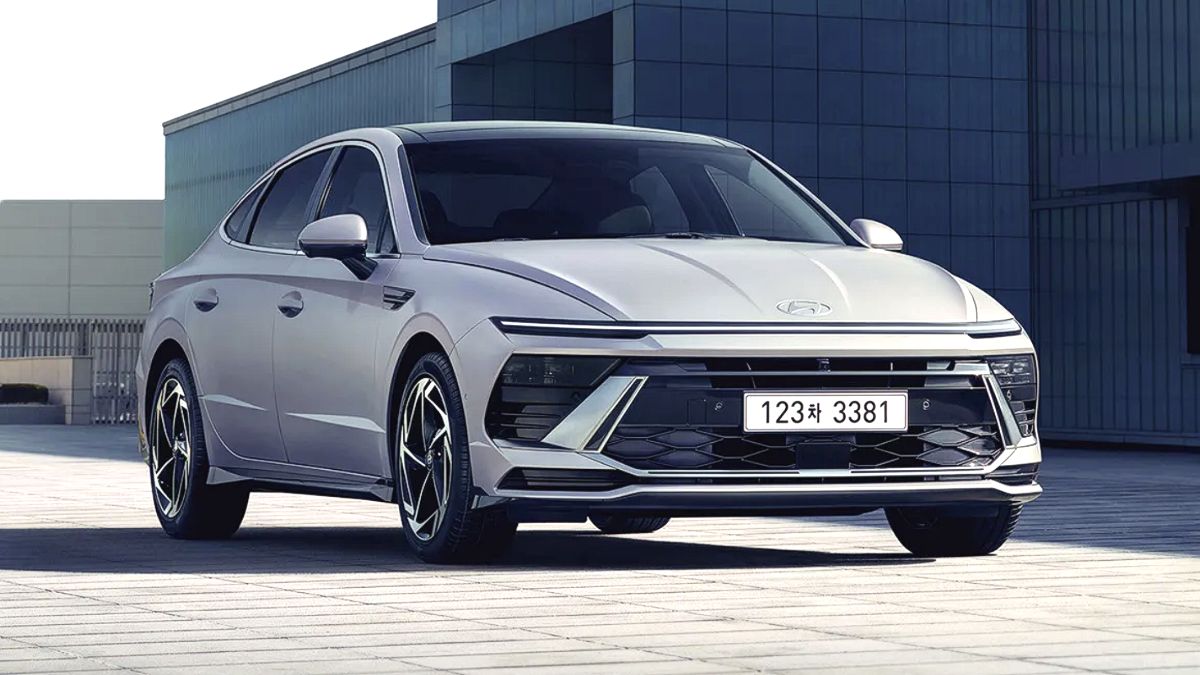
Buyers would get more second‑row headroom and significantly larger cargo capacity than many midsize sedans while enjoying the PHEV’s efficiency — the ability to cover daily commutes in electric mode without burning fuel.
That combination directly challenges the idea that wagons can’t sell in Korea and targets 30‑ and 40‑something family buyers who prioritize value and space.
Hyundai and Kia’s decades of engineering experience, strong driving fundamentals and resale values remain powerful advantages for domestic brands.
Still, the arrival of a competitively priced Chinese electrified wagon — potentially cheaper than the Sonata hybrid — would deliver a fresh shock to a market long led by domestic hybrids and could present a realistic, and potentially formidable, alternative for budget‑conscious buyers.