|
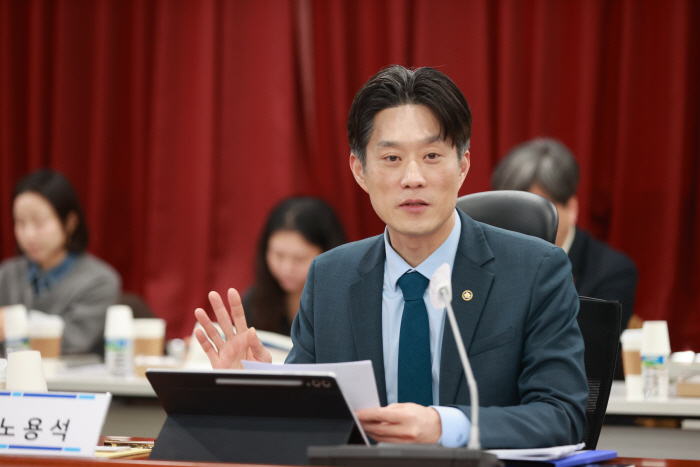
No Yong-seok, the ministry’s first vice minister, visited Daegu on March 17 to chair a field forum focused on the shift to SDVs—vehicles that integrate artificial intelligence (AI) and autonomous-driving technologies. The event was organized to hear the concrete challenges local parts makers face in the transition to future mobility and to identify practical support measures.
The Daegu–North Gyeongsang area accounts for a disproportionate share of South Korea’s internal-combustion engine parts makers. For example, Daegu’s auto-industry sales mix lists body and trim at 20.3%, engine parts at 11.6% and powertrain parts at 9.5%. As SDVs become the dominant trend in future mobility, companies still focused on hardware production are feeling increased strain.
Kim Bong-seop, director of the Intelligent Automotive Parts Promotion Institute, told the forum that Daegu’s mobility-software infrastructure must work in concert with North Gyeongsang’s materials and battery manufacturing base. He stressed that building an ecosystem across the wider region will be essential to securing leadership in future mobility.
At the forum, business leaders and experts described the limits they encounter in technology development and a shortage of specialized talent. They pressed for immediate government R&D support and a clear workforce-development roadmap. Participants agreed the region needs measures to attract software engineers and funding for retraining programs.
Visiting the one-stop business support expo, Vice Minister No encouraged attendees and said he hopes the SDV collaboration projects in Daegu and North Gyeongsang will become model cases for regional industrial transformation. He added that, in line with the administration’s \"five hubs, three specialties\" regional-led growth strategy, the ministry will reorganize key local industries and provide targeted support so regional small businesses can grow into core partners in the future-vehicle sector.