SisaWeek=Reporter Jegal Min Audi has completed domestic certification for the all‑new A6, following recent certification of the full‑change Q3 due this year. Industry analysts expect the two new models to bolster Audi’s sales performance in Korea. Despite a steep drop in sales of outgoing models ahead of the redesigns, Audi posted strong year‑over‑year growth in early‑year monthly sales; the introduction of the Q3 and A6 should push volumes higher.
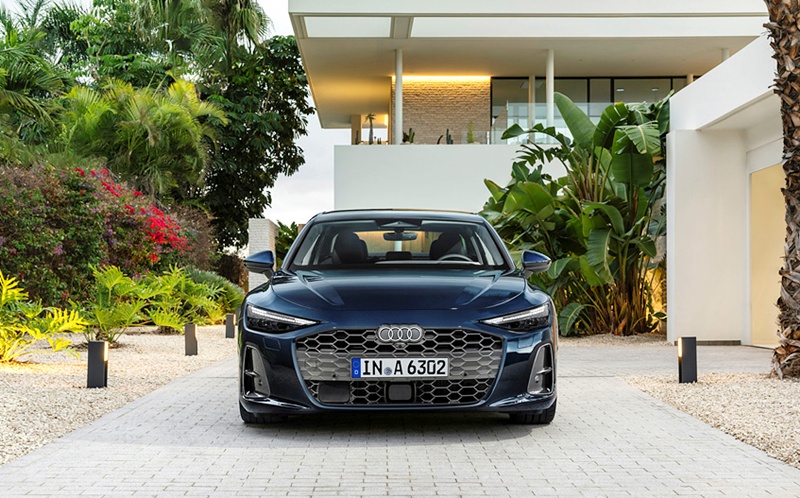
The all‑new A6 completed domestic certification on the 9th. The initial trims certified are the A6 40 TFSI (gasoline) and the 45 TFSI quattro. The current A6 lineup in Korea includes one diesel variant (40 TDI) and two gasoline variants (45 TFSI and 45 TFSI quattro); Audi appears set to bring gasoline versions to market first, followed by the diesel model.
The new A6 grows 59 mm in overall length to 4,999 mm, and its wheelbase increases roughly 3 mm to 2,927 mm. Width and height decrease by 10 mm and 42 mm, to 1,875 mm and 1,418 mm respectively. On paper, those dimensions give the car a sleeker, more streamlined profile.
With this being the first full redesign of the A6 in seven years, consumer interest in the model is high.
The ninth‑generation A6 rides on the PPC platform and introduces ‘MHEV Plus’ mild‑hybrid technology to enhance both efficiency and driving dynamics. The exterior takes design cues from the recently launched A5 while presenting a tougher, more assertive stance. The cabin adopts the latest interior design language already seen in the new A5, Q5 and Q6 e‑tron—interiors that have received positive feedback from buyers.
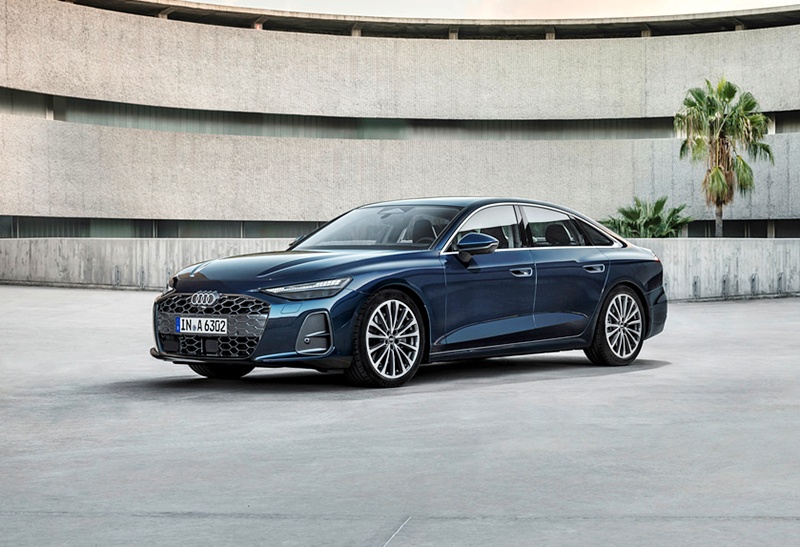
Audi Korea’s stock of the outgoing A6 appears nearly depleted. The A6 has been one of Audi’s cash‑cow models: the eighth‑generation car recorded roughly 200–300 monthly sales in the first half of last year before dropping below 100 units in the second half. In January and February of this year, monthly sales fell to just 30 and 15 units, respectively.
The low inventory of a popular model ahead of a redesign typically pulls down brand monthly sales. Even so, Audi posted 847 and 991 units in January and February, respectively—strong gains over the same period last year. As of the end of February, cumulative sales stood at 1,838 units, up 97.8% year‑on‑year.
Audi’s early‑year sales momentum was driven by the new A5 and Q5, which began selling in July last year.
The A5 recorded 277 sales in December and then sold 218 units in January and 143 in February, for a total of 361 deliveries to customers. Through the end of February, the A5 accounted for about 20% of Audi’s cumulative sales.
The Q5 sold 89 units in January but rebounded to 269 units in February—its best monthly result since launch—suggesting constrained supply in January. Through the end of February, Q5 sales totaled 358 units, making it the brand’s second‑best seller after the A5.
The A5 and Q5 have helped fill the gap left by the outgoing A6. The compact A3 also contributed, with cumulative January–February sales of 319 units.
The A6 is a popular E‑segment executive sedan that sold 12,274 units in 2021. If the all‑new A6 arrives in Korea, it could once again drive Audi Korea’s performance and intensify competition with rival models in the segment, potentially expanding Audi’s market share.
Audi Korea says it will push to launch the new A6 and Q3 in the Korean market as soon as possible.
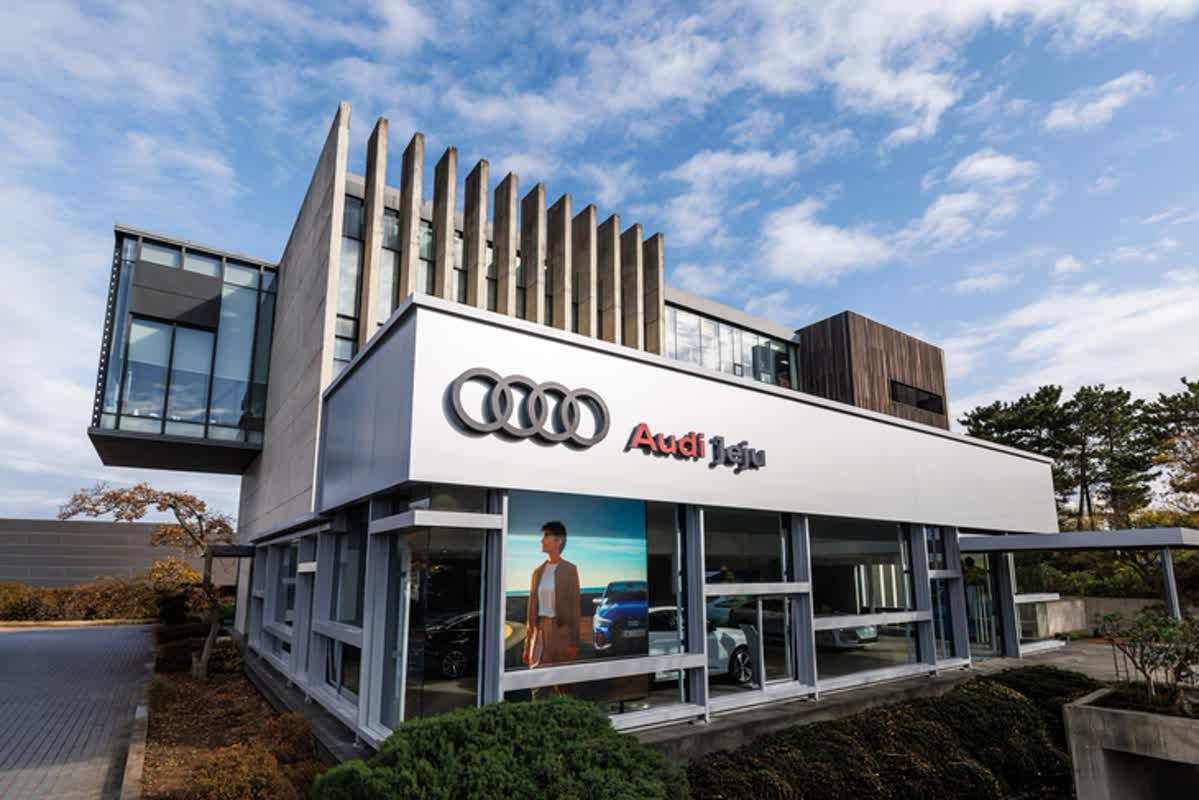
Meanwhile, KCC Auto Group recently joined as a new Audi dealer in Korea. KCC acquired dealer rights after Kolon Mobility Group, the previous rights holder, stepped back. With KCC Auto Group on board, observers expect more aggressive local marketing efforts.