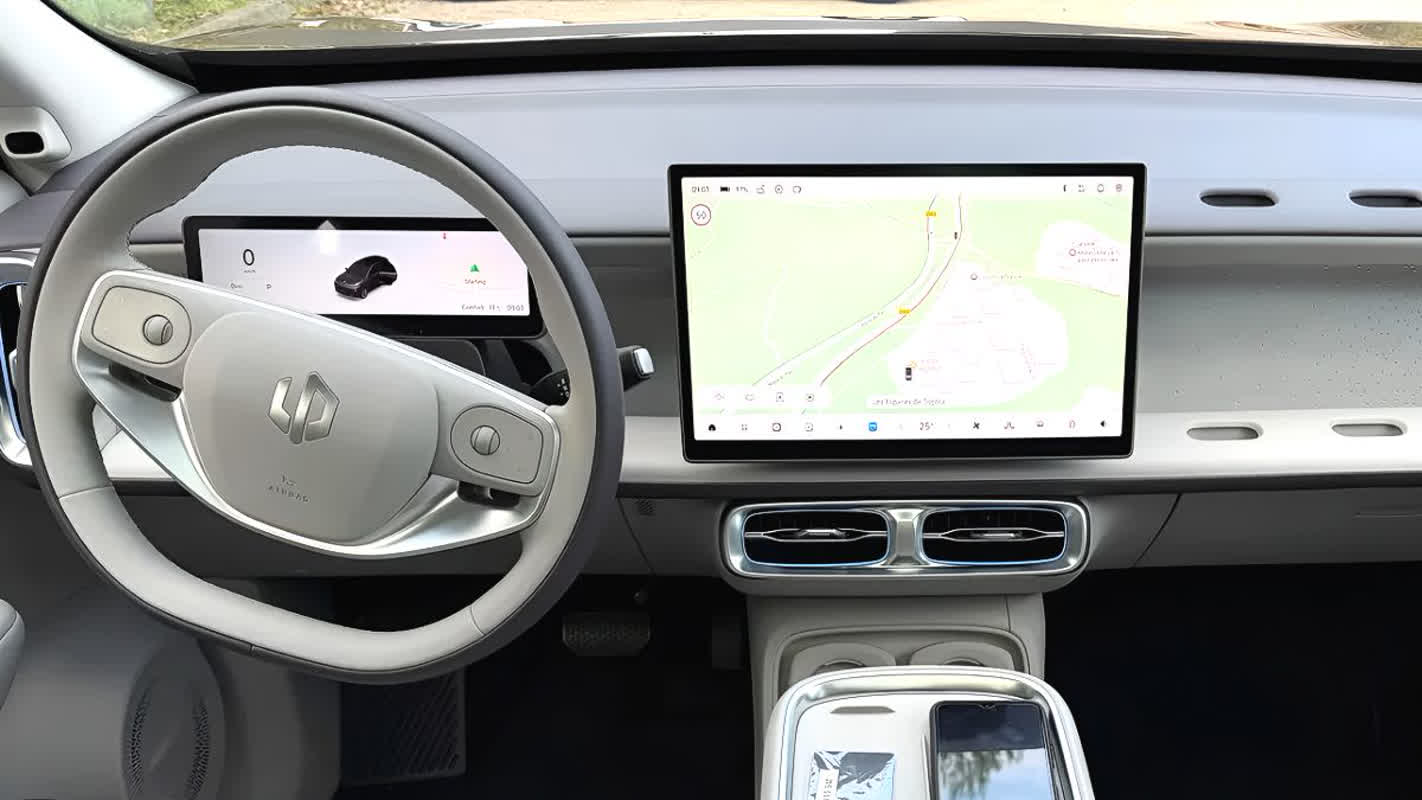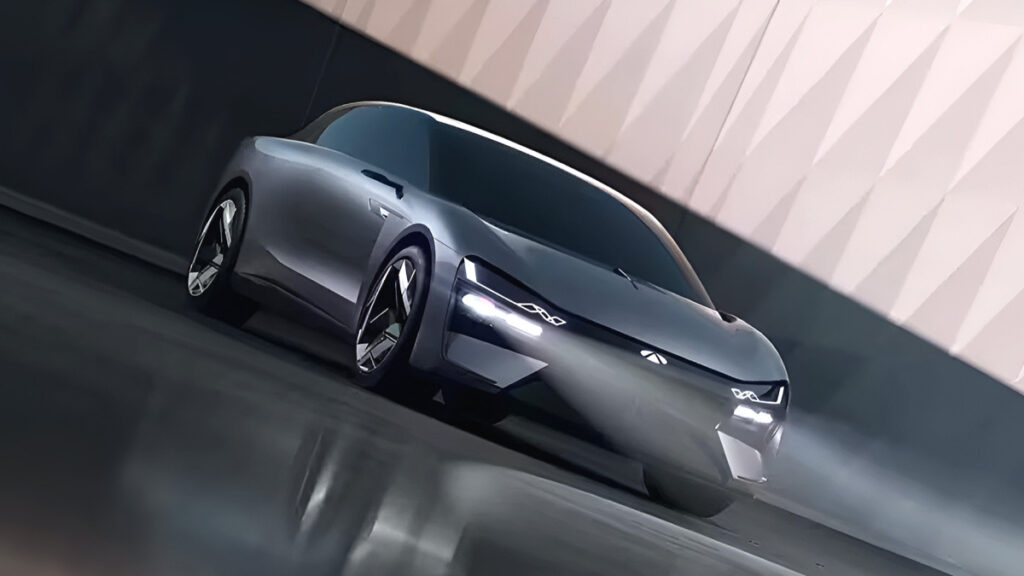
Electric vehicles still face their biggest hurdle in consumer perception around charging time and driving range.
Consumers, fed up with slow high-speed charging and sharp efficiency losses in winter, are now being targeted by another round of bold technical claims from China’s auto industry that could disrupt the market.
Moving beyond a strategy that once relied on price competitiveness, Chinese automakers are now signaling they intend to control core components directly by leading on battery technology.
Chery Auto touts 500 km ultra-fast charge under its own standard
Foreign outlets report that Chinese automaker Chery Auto recently unveiled its "Rhino" battery solution, drawing global attention to the EV sector.
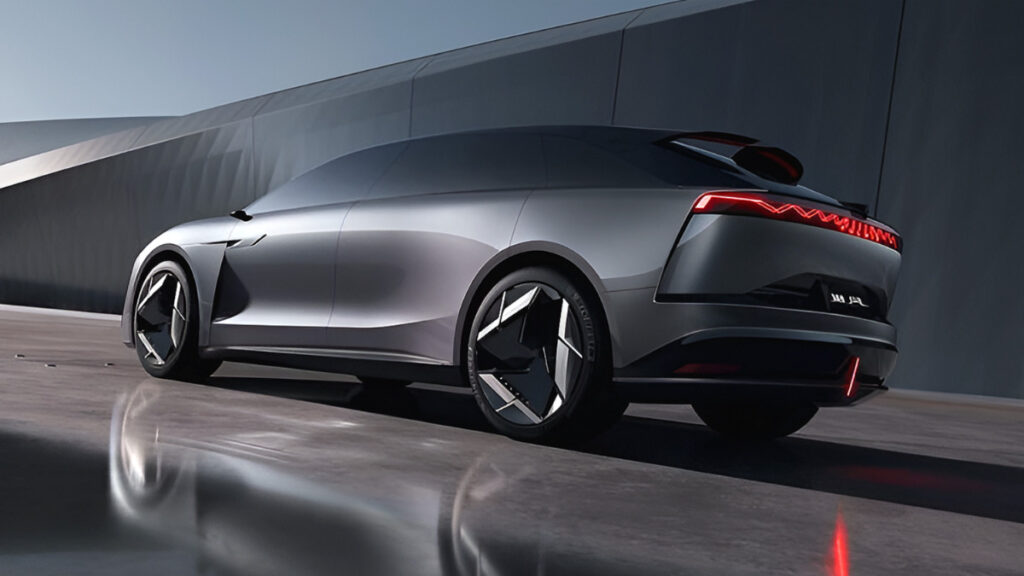
The most attention-grabbing claim: an eight-minute charge that Chery says can deliver up to 500 km (about 310 miles) of range.
Those figures are based on Chery’s internal test protocol; independent verification under real-world driving conditions and extreme temperatures remains outstanding.
Still, if production cars ever approach the 3–5 minutes it takes to refuel an internal-combustion vehicle, the so-called "charging anxiety" that has long dogged EV adoption could effectively disappear.
Chery says the liquid-electrolyte pack is engineered to accept ultra-high-power charging up to 1,200 kW and that the battery’s charge–discharge lifecycle has been extended to roughly 5,000 cycles.
Formidable capital pushes beyond liquid electrolyte toward all-solid-state "dream" batteries
Crucially, Chery is not stopping at incremental improvements to liquid-electrolyte chemistry.
The company also unveiled a production roadmap for a next-generation all-solid-state cell, the "Rhino S," which it says increases energy density while reducing pack size and weight.
Chery is targeting large-scale commercialization of the all-solid-state pack by 2027 and is aiming for a staggering single-charge range of up to 1,500 km (about 932 miles).
The company says it has invested more than CNY 10 billion (about 1.8 trillion KRW / roughly 1.35 billion USD) and mobilized more than 1,000 researchers with master’s and PhD credentials to accelerate development in the so-called "dream battery" space.
Observers point out that Chery’s announcements came on the heels of BYD’s launch of a second-generation Blade battery, underscoring fierce domestic competition in China that could push global standards higher.
A new test for Korea's battery suppliers and automakers
Chery’s aggressive push to internalize battery production and sharpen its technology poses a significant challenge to Korea’s top three battery suppliers and domestic automakers.
The global battery market today is essentially a duel between Korea, which holds a technology edge in high-nickel cells, and China, which leverages a massive domestic market and cost advantages.
If China can combine the cost benefits of mainstream cells with tangible progress in high-end areas like ultra-fast charging and all-solid-state technology, the current market balance could change fast.
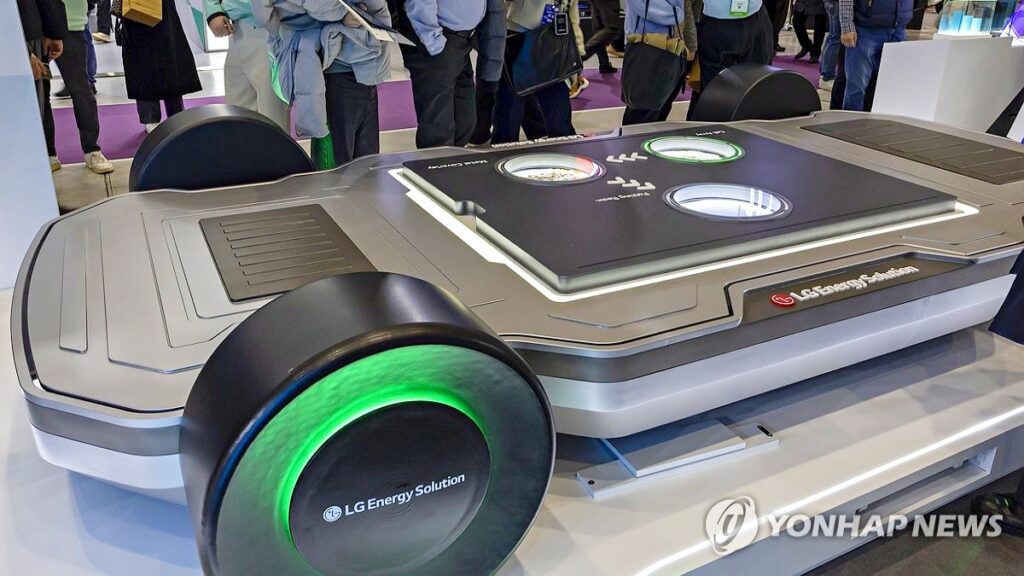
An industry source warned, "The rosy, lab-level figures announced by Chinese firms won't translate into perfect mass production overnight."
But the source added, "Given the astronomical R&D spending and the pace of technological progress, Korean companies must demonstrate an overwhelming lead — for example, by accelerating the commercialization of all-solid-state batteries — to defend their position."
Ultimately, consumers will reward mobility solutions that prove safe and reliable on real roads, not those defined only by impressive paper specs.
The global auto industry is watching closely to see whether the bold claims from Chinese automakers will set a new standard in the EV market or remain an overambitious blueprint.