Sold 2,304 units in Jan–Feb, ranks 5th among imported car brands
Cumulative sales on pace to reach 10,000 faster than BMW and Tesla
Chinese brands step up push into South Korea
ZEEKR to launch 7X this year… opening nationwide service centers
Cumulative sales on pace to reach 10,000 faster than BMW and Tesla
Chinese brands step up push into South Korea
ZEEKR to launch 7X this year… opening nationwide service centers
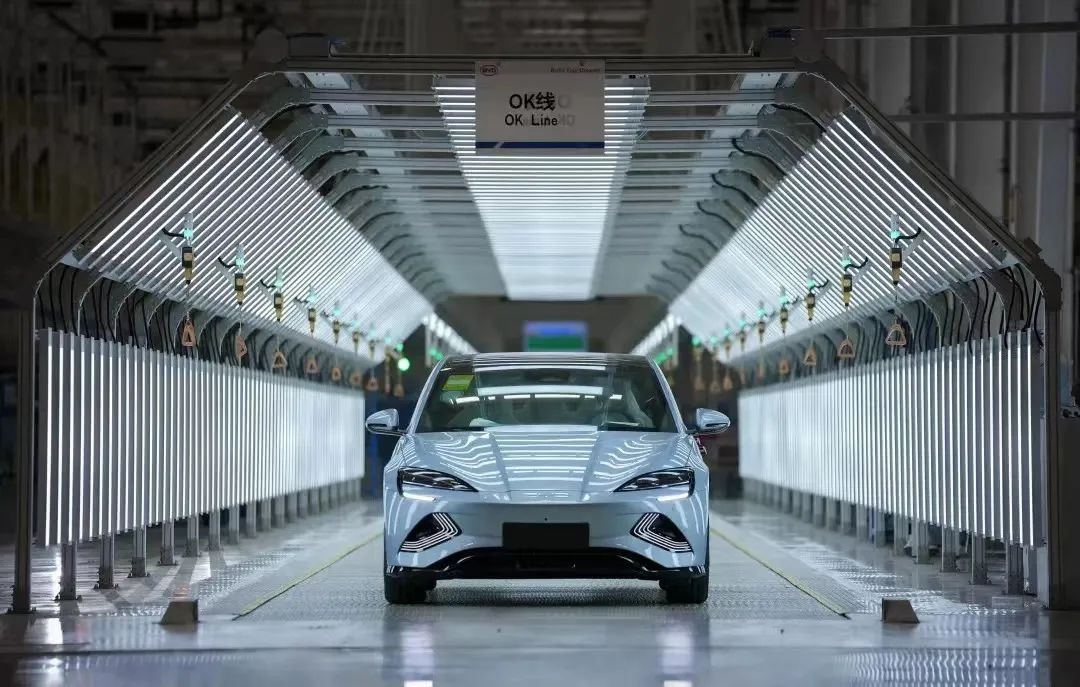
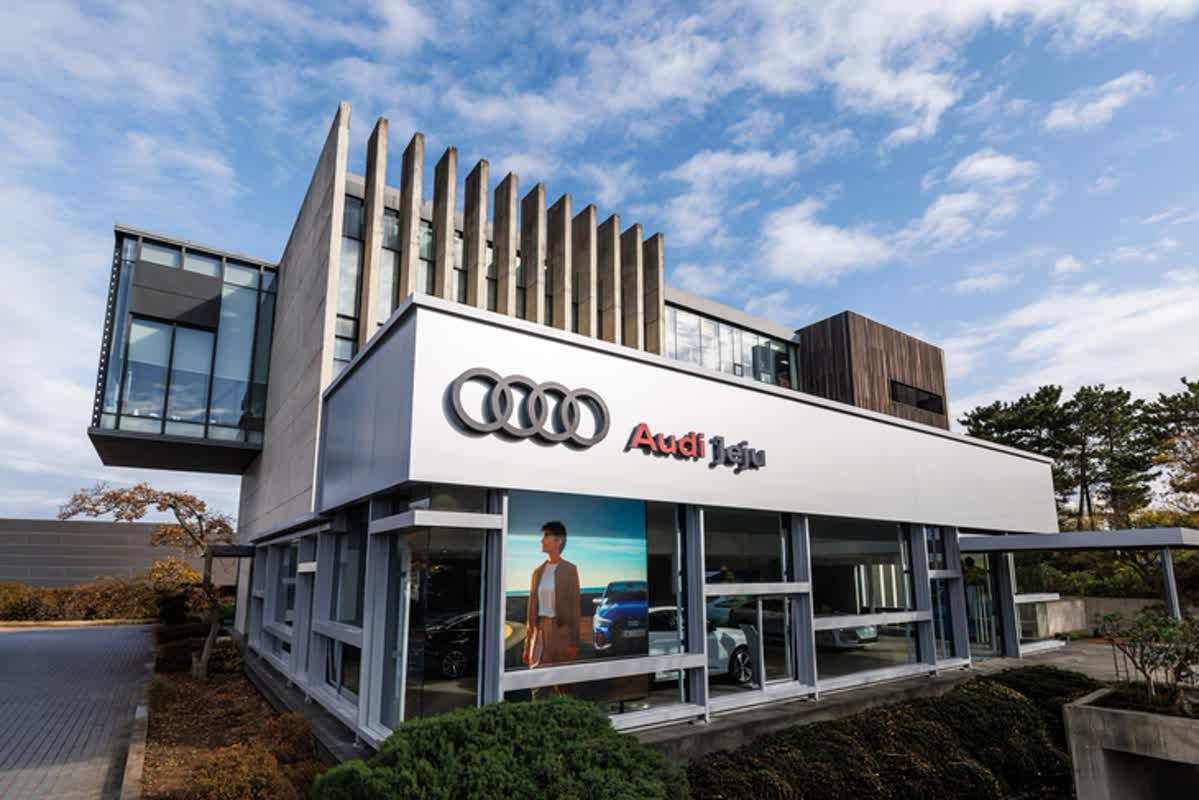
According to the Korea Imported Automobile Association (KAIDA) on the 23rd, BYD sold 2,304 units in January–February, ranking fifth among all imported brands. That figure outpaced Volvo (2,132) and Audi (1,838), and narrowed the gap with fourth-place Lexus (2,577) to roughly 200 units.
BYD is on track to surpass 10,000 cumulative sales in the first half of the year. The company began selling in South Korea in April last year and moved 6,107 units in 2025, pushing its cumulative total past 8,000.
This growth rate stands out even against established import names. BMW Korea reached 10,000 cumulative sales in 2002, seven years after entering the market in 1995. Tesla hit the 10,000 mark four years after it began selling in South Korea in 2017.
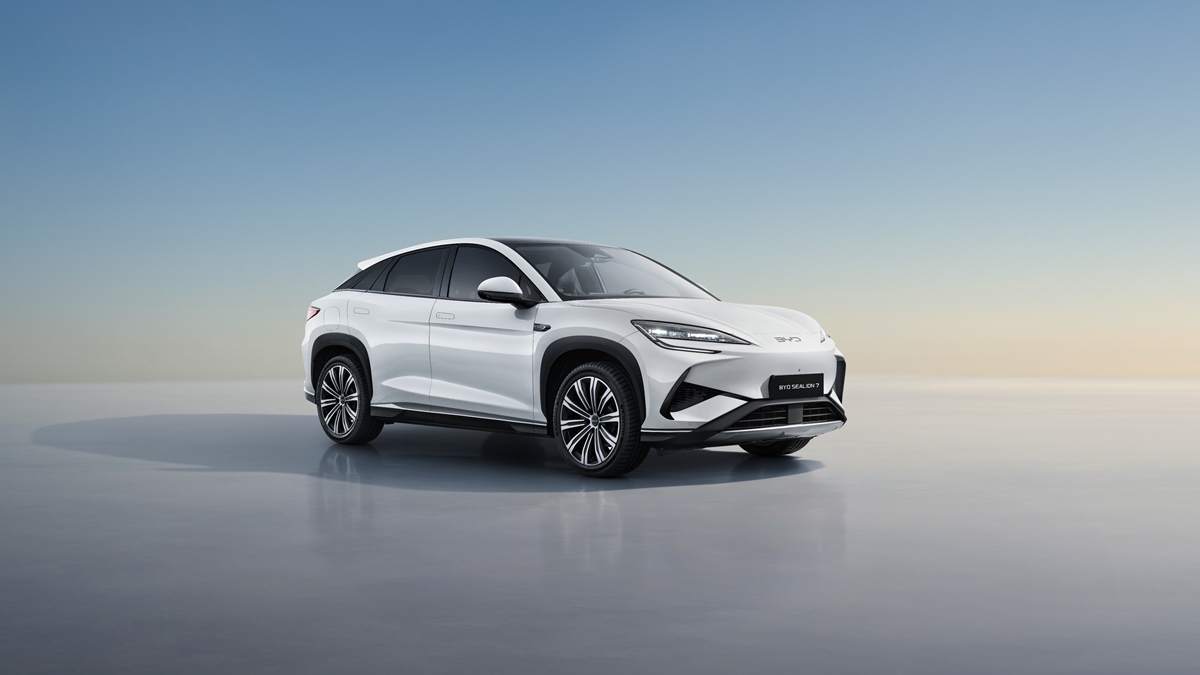
China overtook Japan last year to become the world’s top new-car market, but with domestic demand cooling, overseas performance is increasingly critical. Major Chinese EV brands are accelerating their South Korea plans: ZEEKR has confirmed a local launch this year, and Xpeng and Xiaomi are reportedly weighing entry.
Premium EV brand ZEEKR plans to introduce its electric mid-size SUV, the 7X, to South Korea this year. ZEEKR, a premium marque under Geely Auto Group, shares the EV-dedicated SEA platform with Geely affiliates such as Volvo and Lynk & Co.
To counter the perception that \"Chinese-made products are low quality,\" Chinese automakers are combining aggressive pricing with an early rollout of nationwide service centers. This contrasts with the step-by-step expansion of aftersales networks by established import brands and is intended to build trust from the outset.
BYD plans to expand its service network from 11 centers at launch to 26 by year-end. Imported cars have long been criticized for weaker after-sales infrastructure and higher parts costs compared with domestic models, and BYD is moving quickly to address those weaknesses. The company is also bolstering its dealer network and emphasizing customer-experience marketing to raise brand awareness.
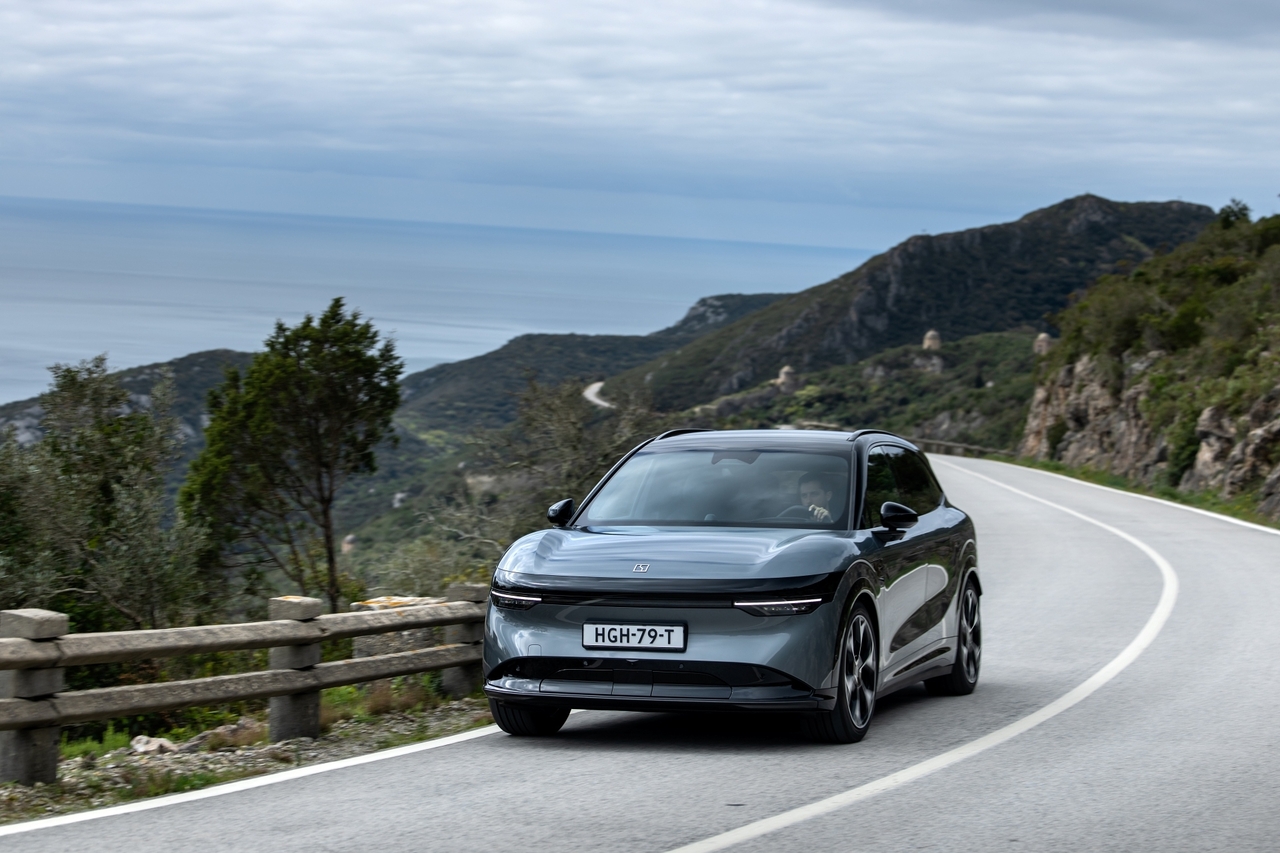
An industry source said, “Chinese cars have entered South Korea before and quickly withdrawn, so consumer perceptions have been unfavorable,” adding that rapidly expanding service networks is a strategy to change that view. The source warned that if Chinese automakers successfully establish premium brands like ZEEKR, they could significantly reshape the imported-car market.