China's rapid advance in the global auto market has now turned squarely on South Korea's home turf, threatening even the country's strongest domestic segments.
Until recently, Chinese automakers were seen mainly as a force in low-cost battery-electric vehicles (EVs), leveraging cheap pricing and battery technology to undercut incumbents.
Now BYD — China's largest green-vehicle maker — is shaking up the plug-in hybrid (PHEV) sedan class by launching a bold flagship that marries the comfort of internal combustion with the efficiency of electric drive.
It’s a clear signal: BYD intends to seize market share even in PHEVs, one of the few segments still enjoying healthy demand amid a temporary slowdown in EV sales.
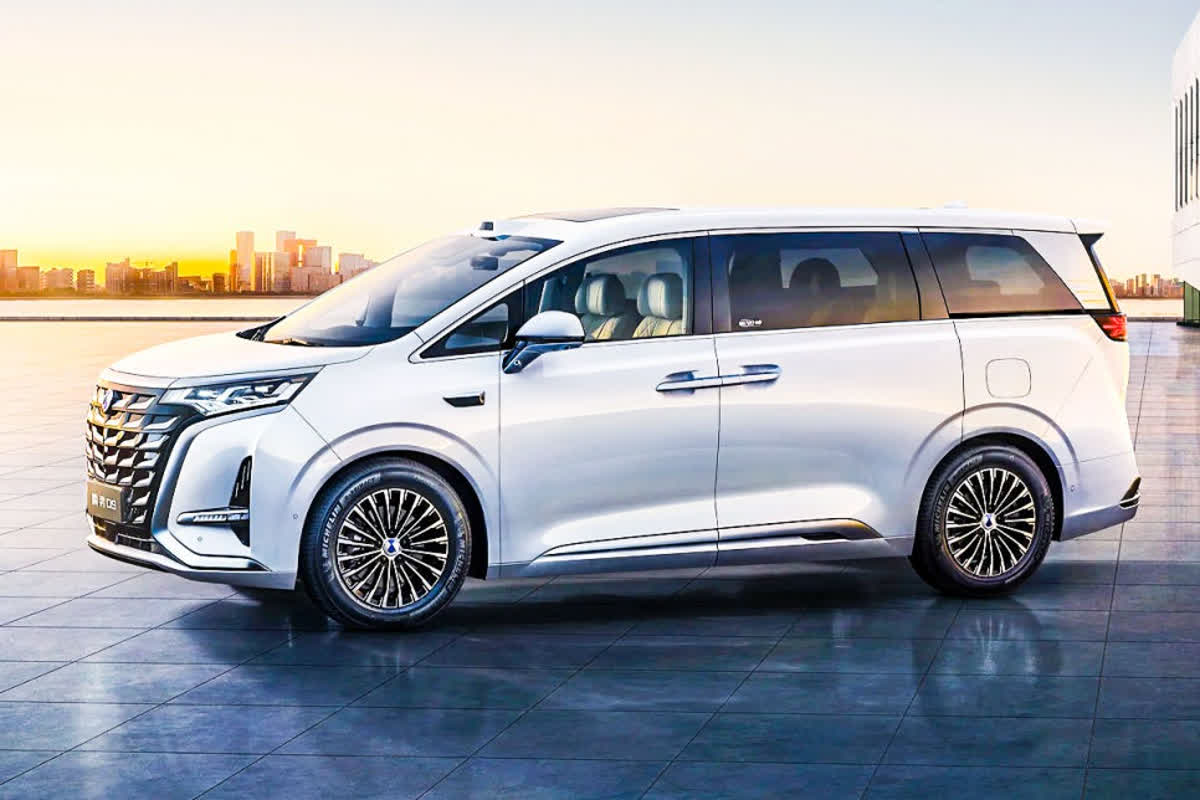
Massive footprint that eclipses the Grandeur: BYD’s flagship sedan, the Seal 08
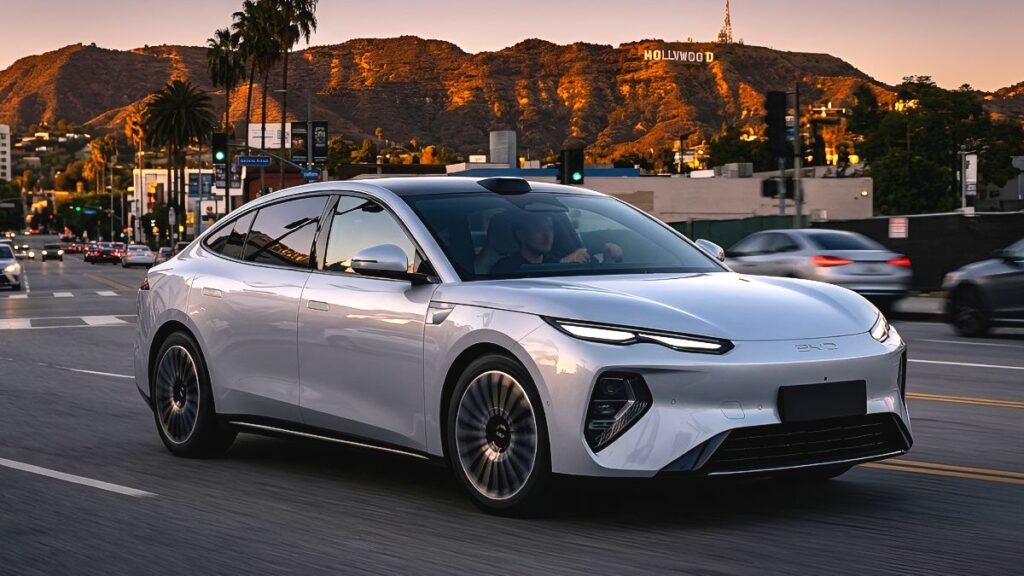
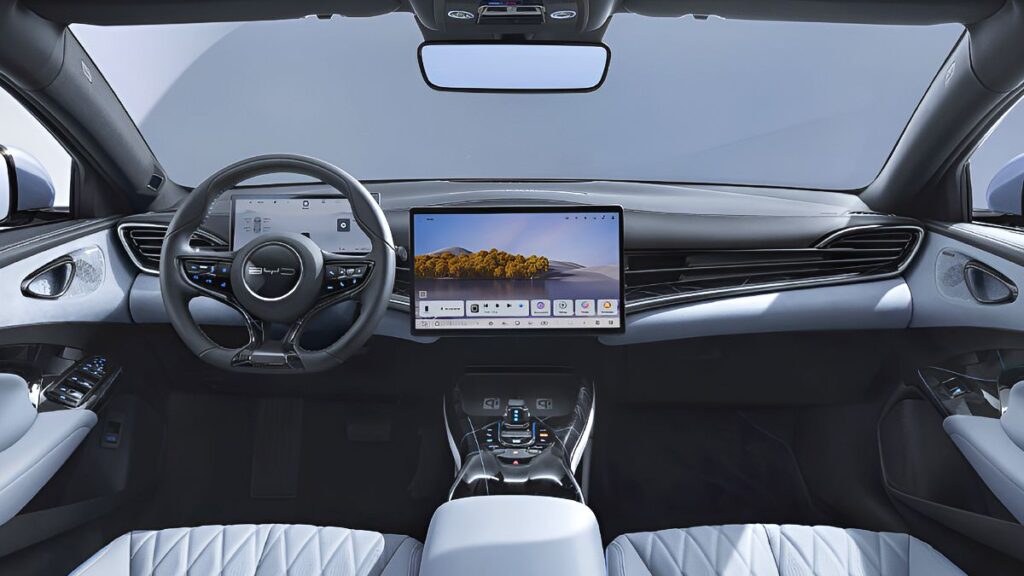
According to international reports, BYD has quietly unveiled its new flagship plug-in sedan, the Seal 08, and is aggressively targeting the global premium market.
The most striking attribute is its scale. The Seal 08 dwarfs models that traditionally dominate Korea’s executive-sedan buyers — Hyundai’s Grandeur and Kia’s K8 — both favorites among consumers in their 40s and 50s.
The sedan stretches an impressive 5,150 mm in length and rides on a 3,030 mm wheelbase, dimensions that promise the roomy, composed cabin expected of a full-size flagship.
BYD combines its latest hybrid system with a large-capacity battery pack, and the automaker claims a combined range — from gasoline and electric propulsion — that easily tops 1,000 km, underscoring the model’s exceptional efficiency.
Cost picture versus the K8 and Grandeur PHEVs: a sharp comparison
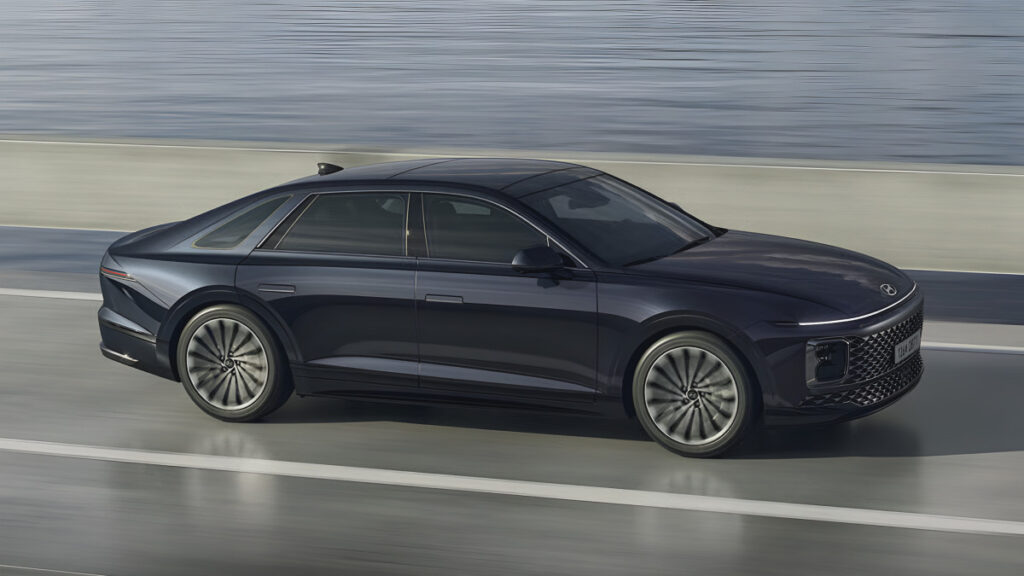
The Seal 08 stings domestic makers because it offers extraordinary cost-of-ownership economics that could sway family buyers.
In Korea, Grandeur and K8 PHEV models generally list in the high-30 million to high-40 million KRW (approximately $22,500–$30,000) range. They deliver strong fuel economy for conventional PHEVs, but they still depend on gasoline for much longer trips.
By contrast, modern PHEVs like the Seal 08 use large blade-style battery packs that can cover typical urban commutes — roughly a 100 km round trip — on pure electric power, eliminating fuel use for daily driving.
With early price estimates in China of about 40–50 million KRW (approximately $30,000–$37,500), the Seal 08 could match the up-front price of local PHEV sedans while significantly cutting long-term operating costs.
Chassis advancement: no longer just a 'value' story
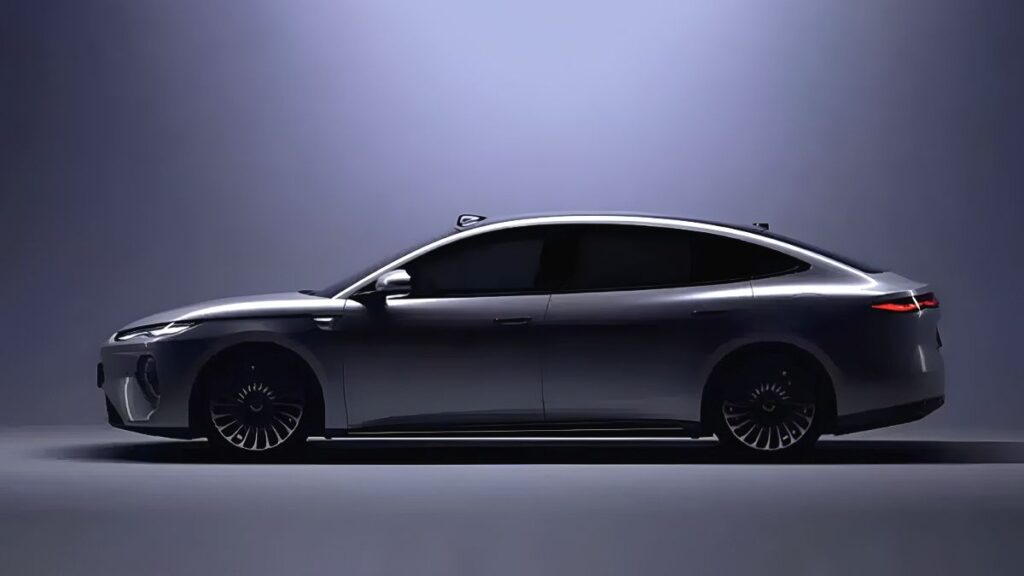
The old stereotype of Chinese cars as cheaply assembled no longer applies.
The Seal 08 adds rear-wheel steering to dramatically reduce turning radius in tight streets and parking lots, easing maneuvering for such a large sedan.
It also pairs an intelligent body-control system that reads road inputs in real time with adaptive damping to deliver the composed, weighty ride expected from a premium flagship.
For buyers, the proposition is tempting: pay a similar price to a domestic rival and get more advanced chassis technology and electrified driving benefits.
Protecting the home market: a growing concern for Korean automakers
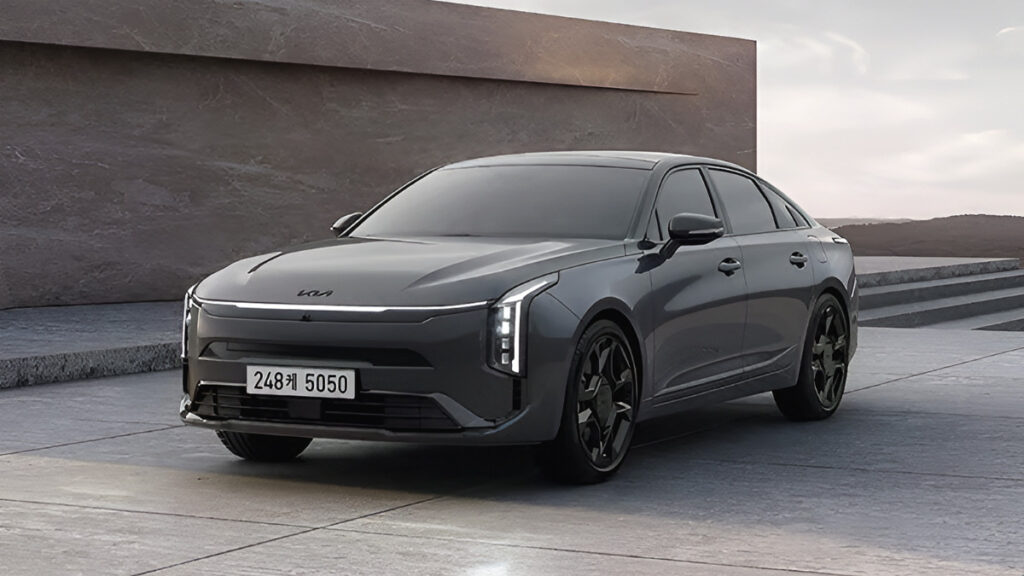
An industry source said, “After establishing itself in EVs, BYD is now rolling out killer models in the profitable PHEV segment that combine competitive pricing with compelling features.”
“That approach,” the source added, “could unsettle the strong domestic demand that Korean premium sedans have long depended on.”
Korean luxury-sedan buyers no longer need to choose domestic PHEVs solely out of familiarity.
As the market moves through electrification, the aggressive push from Chinese PHEVs has Korean automakers on alert. The industry is watching closely to see what decisive product moves will be made to defend market leadership.