2026 Range Rover Evoque Facelift: Full Specs and Pricing
The 2026 Range Rover Evoque facelift is drawing fresh attention across the global premium SUV market. The update refines Range Rover’s current design language while adding new technology, improved efficiency and stronger performance to distinguish it from the outgoing model. Below is a detailed breakdown of the 2026 Evoque’s exterior changes, powertrains, interior, advanced safety and convenience features, competitive positioning, and pricing across key markets.
Bold exterior updates and a refined identity
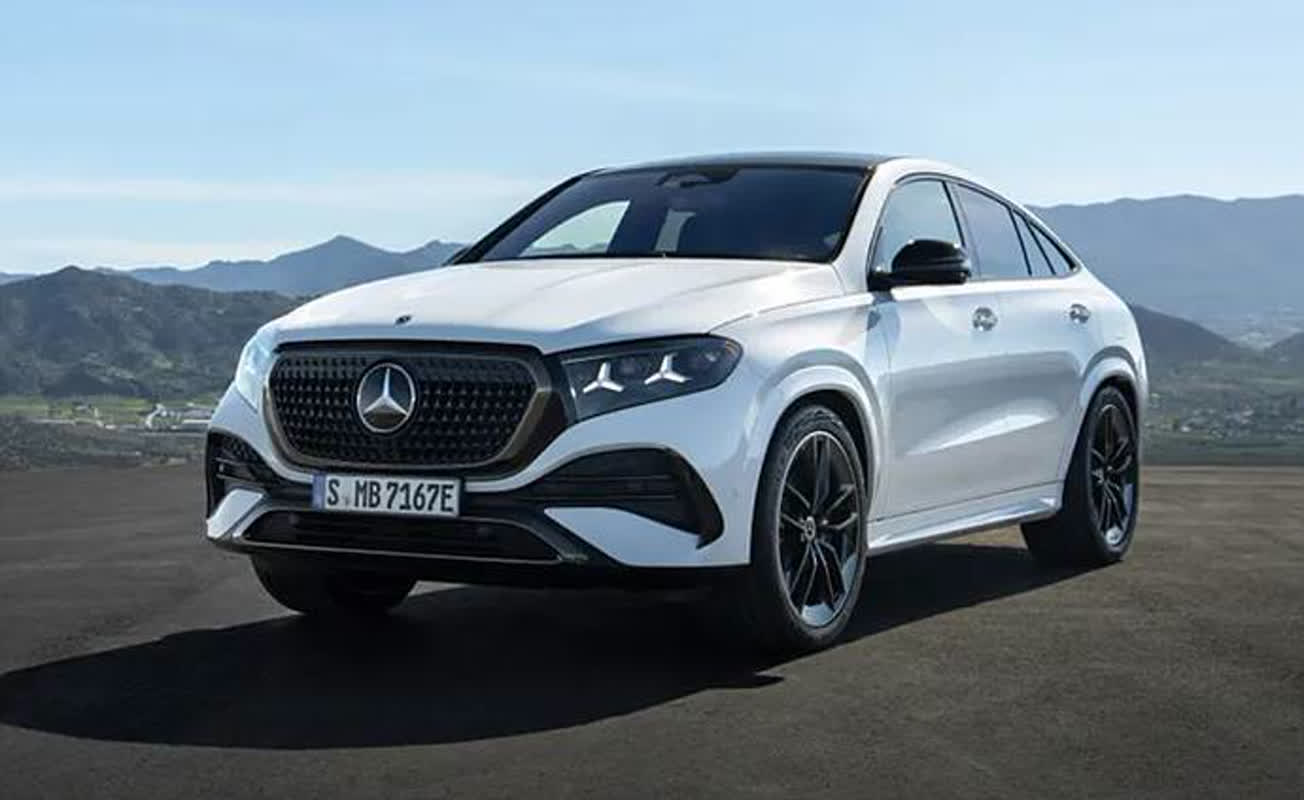
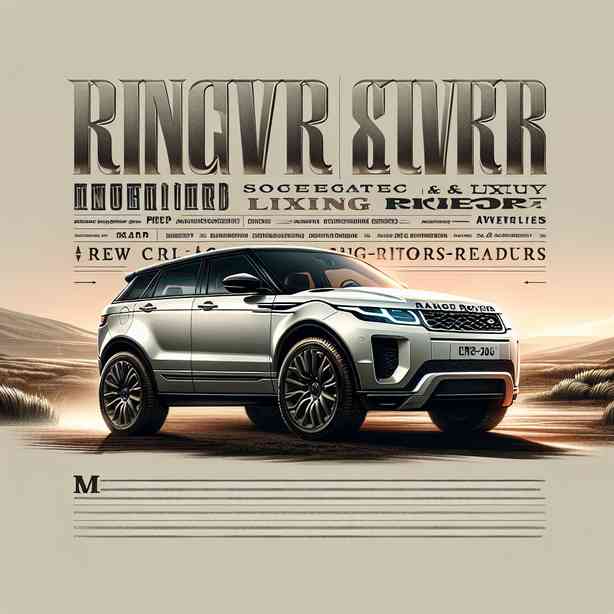
The 2026 Evoque keeps Range Rover’s signature look but sharpens its presence with a more modern, upscale treatment. The front end combines redesigned LED matrix headlights with a narrower grille, and the bumper lines have been reshaped for a sportier yet composed urban stance. The side character lines are more pronounced, and new 21‑inch alloy wheels underline the model’s athletic posture. The rear features revised taillight graphics that improve nighttime visibility and reinforce the model’s brand cues.
Land Rover has also added contemporary paint options to broaden buyer appeal. Collectively, these exterior changes give returning Evoque owners and new buyers a fresh reason to consider the model and strengthen its standing in the premium compact‑SUV segment.
Upgraded powertrains and driving performance
Powertrains for 2026 have been upgraded with a focus on efficiency and performance. The lineup includes gasoline, diesel and plug‑in hybrid (PHEV) options, all tuned to meet current Euro 6e emissions rules. The gasoline model uses a 2.0‑liter Ingenium turbo that produces up to 250 horsepower and pairs with an eight‑speed automatic for smooth shifts and immediate torque delivery.
The plug‑in hybrid combines a 1.5‑liter three‑cylinder turbo with an electric motor for a system output above 300 horsepower and an all‑electric range of about 70 km (roughly 43 miles), a practical figure for daily urban commutes. The lithium‑ion battery is rated at 14.9 kWh and supports modern fast‑charging protocols to reduce charge times. All powertrains come standard with four‑wheel drive, while electronic stability systems and the Terrain Response 2 suite deliver composed handling across varied surfaces.
In short, the 2026 Evoque facelift offers a powertrain mix that addresses fuel‑economy targets, emissions compliance and both on‑ and off‑road capability.
Premium interior and cabin amenities
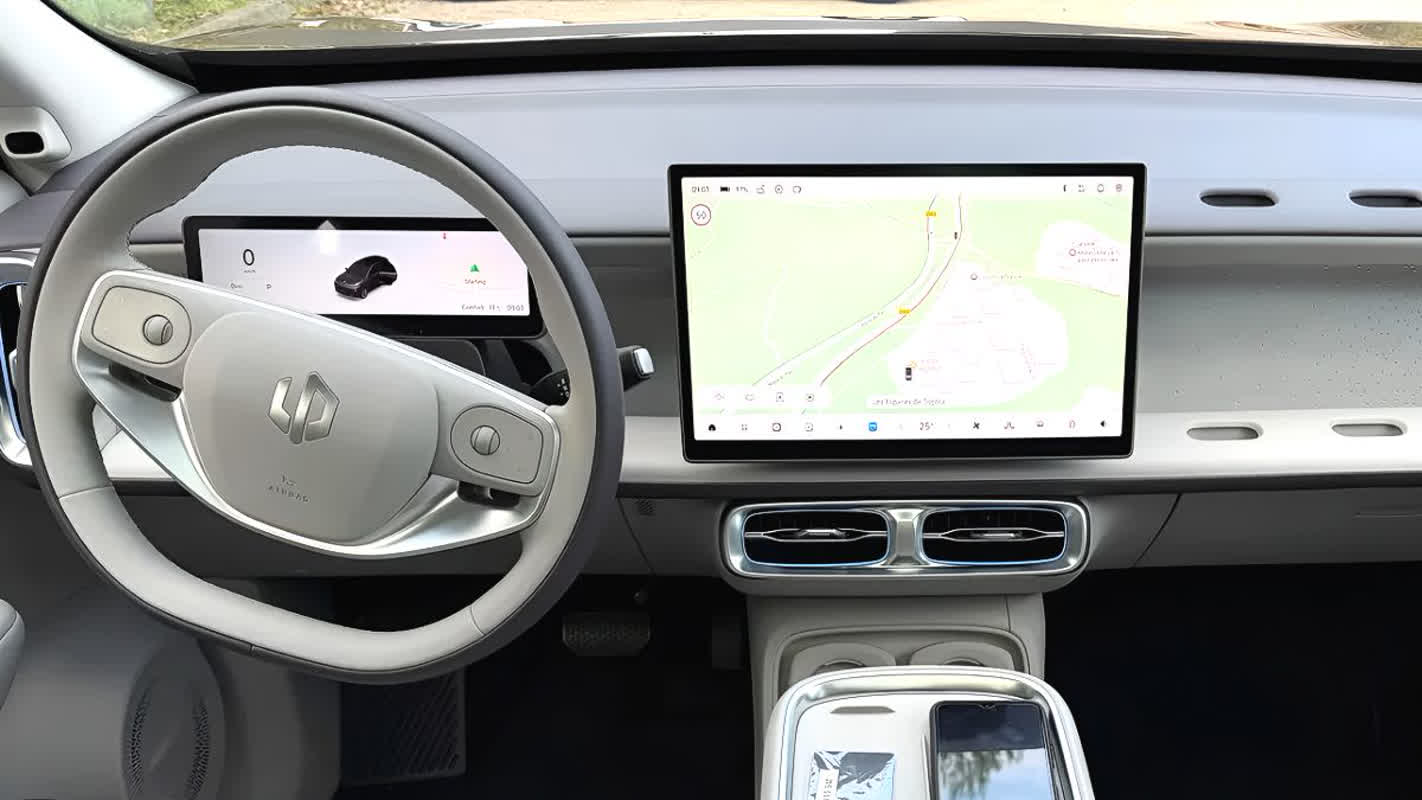
The cabin has been reworked to feel more premium and environmentally considerate. The dash centers on a new 11.4‑inch curved floating touchscreen, and the infotainment runs the latest Pivi Pro software for responsive, intuitive operation. Android Auto and Apple CarPlay support wireless connectivity, and an embedded eSIM enables OTA (over‑the‑air) software updates.
Seating materials include eco‑friendly options and natural leather; ventilated and heated seats with memory‑foam support are standard to enhance comfort. Ambient lighting offers 30 selectable colors, and a panoramic glass roof is available as either standard or optional equipment to amplify the sense of space.
Rear passengers benefit from increased legroom and headroom, four‑zone climate control, rear USB‑C ports and a premium Meridian sound system, delivering a cabin experience that competes at the top of the segment.
Advanced safety and driver‑assist systems
The 2026 Evoque broadens Range Rover’s suite of ADAS features. Standard systems include forward‑collision warning, automatic emergency braking, lane‑keeping assist and blind‑spot monitoring. Adaptive cruise control and traffic‑jam assist improve comfort and safety on highways and in stop‑and‑go traffic.
Parking aids are upgraded with a 360‑degree surround‑view camera and enhanced automatic parking assist, which make tight urban maneuvers easier. The package also includes a driver‑condition monitor, auto high‑beam and traffic‑sign recognition for comprehensive coverage.
Range Rover says the Evoque’s next‑generation airbags, pedestrian‑protection features and reinforced body structure meet criteria for top Euro NCAP ratings, offering strong crash protection for families and long trips.
Connectivity and digital features
Connectivity is a focal point for the facelift. Pivi Pro supports cloud‑based navigation, real‑time traffic and remote diagnostics, while the onboard Wi‑Fi hotspot can accommodate up to eight devices simultaneously. A Remote App lets owners lock and unlock the vehicle, start the engine, locate parking and control climate settings from a smartphone. The in‑car voice system supports multiple languages, including Korean, enabling hands‑free control of key functions.
These features position the 2026 Evoque ahead of many rivals on connectivity and user experience.
Quieter cabin and improved ride comfort
Refinement and ride comfort receive notable upgrades. The body uses extensive sound‑deadening materials and laminated acoustic glass to curb wind and road noise at highway speeds.
Optional electronic air suspension and adaptive dampers adjust damping in real time to match road conditions and drive mode, maximizing comfort and stability. Land Rover also upgraded engine mounts and tuned powertrain software to reduce NVH (noise, vibration and harshness), producing the calm, comfortable cabin expected from a premium SUV.
Those improvements help reduce occupant fatigue on city errands, long highway drives and off‑road excursions alike.
Cargo space and practicality
Despite its compact footprint, the 2026 Evoque delivers strong utility. Cargo volume is 591 liters (about 20.9 cu ft) with the rear seats up and expands to 1,383 liters (about 48.8 cu ft) with the second row folded — competitive numbers in the segment. The hands‑free power tailgate operates when your hands are full, and the rear seats fold in a 40:20:40 split to accommodate bulky items or long gear.
The cabin also includes multiple cup holders, several USB ports, a large glovebox and practical storage bins. Rear passengers get dedicated air vents and seat pockets for added convenience.
Competitive comparison
The 2026 Evoque facelift competes against premium compact SUVs such as the Mercedes‑Benz GLA, BMW X1, Audi Q3 and Volvo XC40. The Evoque differentiates itself with stronger off‑road capability, a luxurious interior, advanced digital systems and superior ride quietness.
Its Terrain Response system and full‑time four‑wheel drive give it an edge off‑road. While some German rivals may still offer sportier handling or marginally better fuel economy and price positioning, the Evoque remains attractive to buyers who prioritize brand cachet and versatile performance.
Pricing in domestic and international markets
Pricing varies by market, but Land Rover positions the 2026 Evoque facelift competitively within the premium set. In Korea, base trims start around 70,000,000 KRW (≈ $52,500 USD), while higher trims and plug‑in hybrid variants can reach 85,000,000 KRW or more (≈ $63,750 USD), depending on options.
In Europe, prices run roughly from €45,000 to €60,000 (≈ $48,150–$64,200 USD) after taxes and options. In North America, pricing is expected to land in the $50,000–$65,000 range. Local taxes, registration fees and environmental levies will affect the final out‑the‑door price, so buyers should consult authorized dealers for exact quotes.
Government incentives for electrified vehicles may materially lower the effective purchase price for plug‑in hybrid and electrified variants in some markets. Domestic tax breaks and subsidies can significantly reduce the real cost for plug‑in hybrid buyers.
Options and personalization
The 2026 Evoque offers a broad selection of option packages and personalization choices. Exterior options include a black styling pack, diamond‑cut wheels, a panoramic roof and privacy glass. Interior choices range from premium leather and wood trim to Meridian surround sound, a head‑up display, power‑adjustable steering wheel, premium floor mats and four‑zone climate control.
Advanced safety options can be specified individually, including 3D surround cameras, enhanced automatic parking, adaptive cruise control, lane‑departure prevention, rear cross‑traffic alert and a driver‑monitoring system. These choices let buyers tailor the vehicle to their lifestyle and priorities.
Running costs and warranty
Ownership costs vary by powertrain. Plug‑in hybrid owners typically benefit from lower energy costs for predominantly city driving. Land Rover recommends service intervals every 20,000 km (about 12,400 miles) or annually at authorized centers; key components carry warranties up to three years or 100,000 km (about 62,100 miles).
The battery warranty runs eight years or 160,000 km (about 99,400 miles), giving plug‑in and electric customers additional peace of mind. Official service centers use brand‑specific diagnostic tools and certified parts to help preserve vehicle value over time.
Insurance premiums depend on vehicle price, safety equipment and driving history; premiums for premium brands typically run slightly above segment averages, though advanced safety features can earn discounts from some insurers.
Market outlook
Analysts expect the 2026 Range Rover Evoque facelift to strengthen Range Rover’s foothold in the growing premium compact‑SUV segment. With a blend of updated technology, upscale design and capable performance, the Evoque should appeal to young urban buyers and family shoppers seeking a versatile premium compact SUV.
Expanded plug‑in hybrid choices, OTA update capability and broader personalization options should enhance the Evoque’s competitiveness. Overall, the 2026 Evoque facelift is likely to remain a noteworthy new entry in the premium compact SUV market.