2026 Land Rover Range Rover Velar: Detailed Price and Performance Analysis of the Latest Model
The 2026 Land Rover Range Rover Velar remains a standout in the luxury SUV segment, driven by steady innovation and advanced technology. This latest iteration sharpens design, performance, onboard technology and interior/exterior fit-and-finish, positioning the Velar as a compelling option for buyers seeking a premium midsize SUV. Below, we analyze the Velar’s current pricing, exterior and interior design, powertrain and driving dynamics, advanced safety and convenience features, and competitive position to clarify its value proposition.
2026 Land Rover Range Rover Velar — Latest Price Information
Official pricing for the 2026 Range Rover Velar in South Korea varies by trim. The base S trim starts at roughly KRW 98,000,000 (about $73,500). Higher trims such as R‑Dynamic SE and HSE climb above KRW 130,000,000 (around $97,500). Prices depend on powertrain choice — diesel, gasoline and plug‑in hybrid (PHEV) — and selected option packages can add significantly to the final cost.
Below are the expected price ranges by major trim for the 2026 Range Rover Velar:
| Trim | Powertrain | Price (KRW 10,000s / Approx. USD) |
|---|---|---|
| S | Diesel / Gasoline | 9,800–11,200 (≈ KRW 98.0M–112.0M / ≈ $73,500–$84,000) |
| R-Dynamic SE | Gasoline / Hybrid | 11,500–12,800 (≈ KRW 115.0M–128.0M / ≈ $86,250–$96,000) |
| HSE | Hybrid | 13,000–13,900 (≈ KRW 130.0M–139.0M / ≈ $97,500–$104,250) |
| Autobiography | Hybrid | 14,300–15,000 (≈ KRW 143.0M–150.0M / ≈ $107,250–$112,500) |
These figures reflect the importer’s announced pricing. Final transaction prices will vary with exchange rates, chosen options, and region‑specific taxes and registration fees. Plug‑in hybrid models may qualify for eco‑vehicle incentives in certain markets. Overall, the 2026 Velar is positioned competitively against other premium SUVs in its class.
2026 Range Rover Velar — Performance and Powertrains
The 2026 Velar offers a range of powertrains so buyers can match the vehicle to their driving needs. The lineup includes gasoline, diesel and plug‑in hybrid (PHEV) variants. Each powertrain incorporates current engineering to balance efficiency and performance.
Gasoline Engine Performance
The gasoline lineup includes a 2.0‑liter Ingenium turbo and a 3.0‑liter inline‑6 Ingenium. The 2.0‑liter turbo produces about 250 hp and 37.2 kg·m (≈ 269 lb‑ft) of torque, paired with an 8‑speed automatic and all‑wheel drive for responsive performance on both highway and urban roads.
The 3.0‑liter Ingenium in higher trims uses mild‑hybrid (MHEV) technology and delivers roughly 400 hp and 56.1 kg·m (≈ 406 lb‑ft) of torque. It accelerates from 0–100 km/h (0–62 mph) in about 5.2 seconds, placing it among the quicker entries in the luxury midsize segment.
Diesel Engine Performance
The diesel Velar features a 2.0‑liter Ingenium turbo diesel that produces about 204 hp and 43.8 kg·m (≈ 317 lb‑ft) of torque. This configuration prioritizes fuel efficiency and high torque, making it well suited for long highway runs and towing or off‑road use.
Plug‑in Hybrid (PHEV) Performance
Responding to electrification trends, the 2026 Velar includes a plug‑in hybrid model that pairs a 1.5‑liter three‑cylinder gasoline engine with a 105 kW (≈ 141 hp) electric motor. System output is roughly 404 hp and 65.3 kg·m (≈ 472 lb‑ft) of torque. The PHEV delivers an electric‑only range of about 65 km (≈ 40.4 miles, WLTP) and can charge to 80% in roughly 2 hours 30 minutes on a typical AC charger.
In urban driving the PHEV can operate quietly in pure electric mode. On longer trips, the combustion engine and electric motor work together to provide efficient, strong performance and improved fuel consumption.
Advanced Safety and Convenience Features
The 2026 Velar comes well equipped with advanced driver assistance systems (ADAS) and a broad list of safety and convenience features. Standard and available systems include forward collision warning, autonomous emergency braking, lane keep assist, adaptive cruise control, blind‑spot monitoring, intersection collision mitigation, driver condition monitoring and automated parking assist.
These systems enhance safety and reduce driver workload, particularly on highways and in dense urban traffic. The Velar also offers a 360‑degree surround‑view camera, rear traffic alert and automated parking aids to simplify maneuvers in tight spaces.
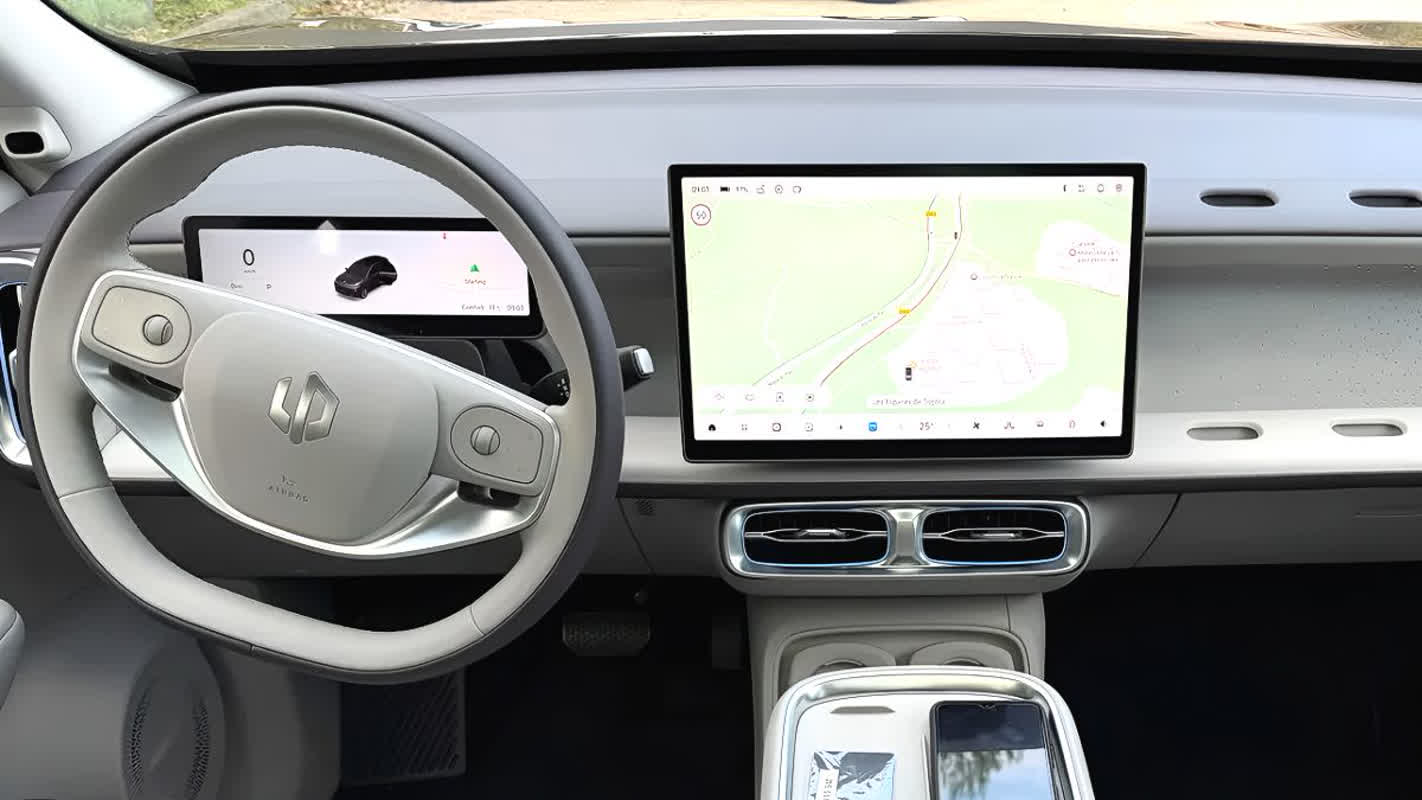
Infotainment is handled by Pivi Pro on an 11.4‑inch curved touchscreen, with voice recognition, navigation, real‑time traffic, and over‑the‑air (OTA) software updates. Wireless smartphone integration, a premium sound system, four‑zone climate control, massage seats and a panoramic roof are among the luxury amenities that improve occupant comfort.
Exterior and Interior Design Highlights
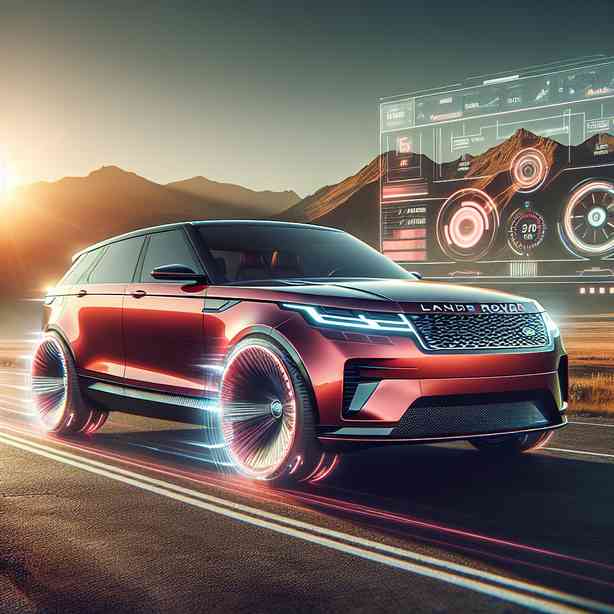
The 2026 Velar pairs elegant exterior proportions with a refined interior. The body combines flowing curves and crisp lines for a modern, upscale stance. Slim LED headlamps and a refreshed grille enhance presence up front, while flush door handles, a strong shoulder line and large alloy wheels give the profile a dynamic look. The rear treatment—slim taillights, a subtle spoiler and dual exhaust outlets—reinforces a sporty, premium character.
Inside, premium leather, wood and aluminum trim create a luxurious feel. The cabin centers on a large curved display, intuitive touch controls, a digital instrument cluster and ambient lighting. Both front and rear seats offer ample legroom and headroom, and seat ergonomics are tuned for long‑distance comfort.
Practicality is competitive for the class: cargo capacity is 834 L (≈ 29.5 cu ft) with the seats up and expands to 1,698 L (≈ 60.0 cu ft) with the second row folded, supporting family and leisure usage.
Driving Character and Off‑Road Capability
Off‑road capability is part of Land Rover’s DNA, and the 2026 Velar integrates traditional off‑road hardware with modern electronic controls to deliver confidence across varied terrain. Available systems include electronic air suspension, electronically controlled AWD, Terrain Response 2, electronic traction control and Hill Descent Control.
Terrain Response offers Normal, Eco, Grass/Gravel/Snow, Mud/Sand and Rock modes so drivers can select the optimal setup from a single control. In tests the Velar’s stiff body structure, compliant suspension behavior and precise torque distribution hold up well on rough terrain. Wading depth is rated up to 580 mm (≈ 22.8 in), which helps in unpaved conditions and sudden water crossings.
On paved roads the Velar delivers a composed, quiet ride, controlled body motion at highway speeds, responsive steering and stable cornering, making it a versatile vehicle for both city and outdoor use.
Fuel Economy and Ownership Costs
Fuel economy is competitive for the luxury midsize class. The 2.0‑liter gasoline model posts combined fuel economy around 9.5–10.3 km/L (≈ 22–24 mpg US). The 3.0 MHEV gasoline model achieves roughly 9.0–9.8 km/L (≈ 21–23 mpg US). Diesel variants return about 12.8–13.5 km/L (≈ 30–32 mpg US), a good fit for high‑mileage drivers.
The PHEV can cover many daily commutes in electric mode and shows a combined equivalent up to about 40 km/L (≈ 94 mpg US, WLTP) under test conditions. Regular access to charging infrastructure noticeably lowers operating costs compared with pure internal‑combustion ownership.
Routine maintenance and ownership costs for premium brands generally run higher, but Land Rover’s official service network provides structured care, warranty repairs within coverage and roadside assistance programs to support owners.
Market Positioning and Key Competitors
The 2026 Velar competes in the premium midsize SUV field against rivals such as the Mercedes‑Benz GLC, BMW X5, Audi Q7 and Volvo XC90. The Velar differentiates itself with refined exterior styling, notable off‑road capability, a diverse powertrain lineup including PHEV options, and a distinct British brand character.
The Mercedes‑Benz GLC emphasizes sedan‑like comfort and a luxurious interior. The BMW X5 focuses on sporty handling and a broad engine selection. The Audi Q7 excels in interior space and quietness, while the Volvo XC90 prioritizes safety and eco‑friendly powertrain choices.
The Velar’s off‑road strengths, upscale design and PHEV availability help it stand out. Coupled with advanced infotainment and customizable options, it offers strong buyer appeal. Pricing sits at or slightly below many direct premium rivals, which can make the Velar an attractive value proposition for buyers seeking luxury with versatility.
Who Should Buy the 2026 Range Rover Velar
The 2026 Velar fits buyers who split time between urban and outdoor driving and want a versatile premium SUV. It appeals to those who prioritize modern safety and convenience features, an advanced infotainment experience and a high‑quality cabin. Buyers seeking electrified options will find the PHEV and MHEV variants especially appealing.
Customers who value brand heritage and genuine off‑road capability will also appreciate the Velar. In short, the 2026 Velar blends versatility, luxury, technology and electrified powertrain choices, making it a strong contender for a wide range of buyers.
Outlook for the 2026 Range Rover Velar
The luxury SUV market continues shifting toward electrification, advanced driver aids and fresh design language. The 2026 Velar responds with electrified powertrains, up‑to‑date driver assistance, premium materials and a unique brand character.
Looking ahead, the Velar should remain a favored premium midsize SUV thanks to its balance of luxury, utility and forward‑looking tech. Ongoing product updates, reliable aftersales support and an expanding global presence will likely strengthen the Velar lineup’s prospects.
In summary, the 2026 Range Rover Velar ranks near the top of its class across price, performance, design, technology and practicality, making it a highly competitive choice for luxury SUV buyers.