|
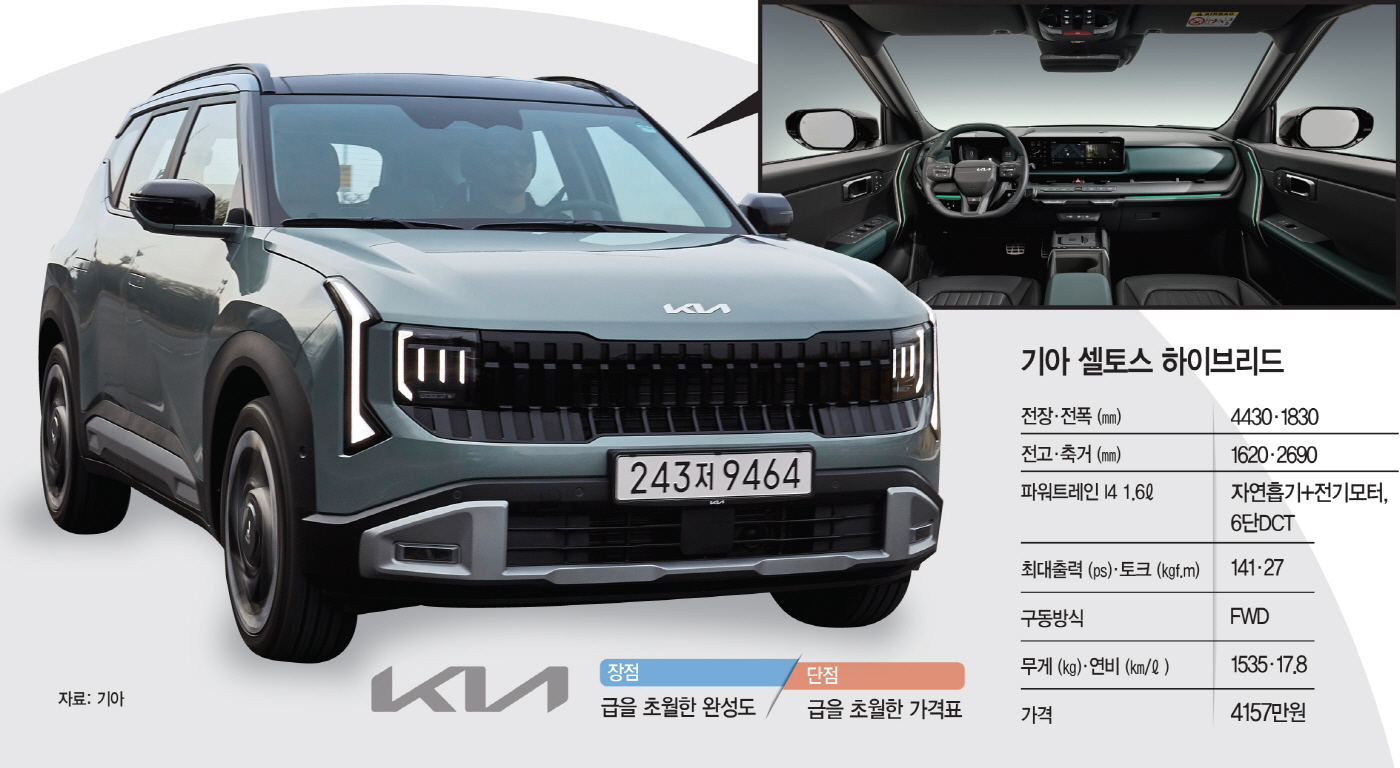
Six years on, the second-generation Seltos tightens that balance and adds a higher level of refinement. The headline change is the addition of the HYBE lead powertrain, which noticeably improves the model’s overall package. The gains are evident on the road.
The exterior has been cleaned up and now reads more composed. Based on Kia’s “Opposites United” design language, the front end blends toughness with a forward-looking character. Kia links the grille and headlamps for visual unity and integrates the tiger-nose and Star Map signature lighting in a restrained way. Where the previous model sometimes felt busy, the new Seltos pares back ornamentation and finds better proportion.
The side profile shows meaningful dimensional shifts. Overall length grows to 4,430 mm (an increase of 40 mm), and the wheelbase extends to 2,690 mm (up 60 mm), narrowing the gap with the larger Sportage. Flush door handles further tidy the silhouette and improve aerodynamic continuity.
The rear treatment borrows a lamp arrangement similar to the EV5, reinforcing a futuristic aesthetic. The vertical-and-horizontal light graphic visually widens the body, and a hidden wiper adds a premium touch. Kia also offers X-Line and GT-Line variants, widening styling choices. The result is a restrained, well-executed design that should appeal across generations.
The cabin feels significantly more modern. Two 12.3-inch screens sit alongside a 5-inch climate display to create a cohesive digital expanse, and ambient lighting is applied with restraint. Moving the shifter to a column-type unit frees up the center console for storage and usability, and the head-up display now projects directly onto the windshield for improved visibility.
As with other new Kia models, the Seltos borrows an interior architecture typically found in higher segments. This goes beyond added options—the overall fit-and-finish and user experience have taken a clear step up.
Packaging is sensible. Cargo capacity measures 536 L (about 18.9 cu ft), and a two-level luggage board plus second-row folding increase versatility. The longer wheelbase yields more rear-seat space than is typical for the class, and the panoramic sunroof boosts second-row comfort.
Our test vehicle was the 1.6 L HYBE lead model. On 16-inch wheels, combined fuel economy is rated at 19.5 km/L (roughly 45.9 mpg US). Real-world numbers varied with conditions, but we observed efficiency close to the claimed figure. Performance is modest: the system output is 141 hp and peak torque is 27 kgf·m (about 195 lb·ft), so brisk acceleration isn’t its strong suit. For drivers wanting more punch, the 1.6 L turbo with 193 hp is the better choice.
All HYBE lead variants use a multi-link rear suspension, which does a good job of smoothing out uneven pavement. The Seltos avoids the skittery, bouncy motions sometimes associated with small SUVs and delivers a stability that feels a class up. In corners the body remains composed; it won’t match the agility of a low-slung sedan, but it strikes a satisfying balance for everyday driving.
Pricing begins at 24.77 million KRW (approximately $18,578 USD) for the gasoline model and 28.98 million KRW (approximately $21,735 USD) for the HYBE lead. Market reception has been positive—sales from January through March totaled 10,111 units. Given Kia’s annual target of 55,000 units for the new Seltos, that goal appears attainable.
The new Seltos is a versatile small SUV that covers a wide spectrum of buyer needs—from young professionals shopping for their first car to families seeking practical transport and travelers wanting a comfortable, capable companion on longer trips. Like the first generation, the second-generation Seltos looks poised for long-term popularity.