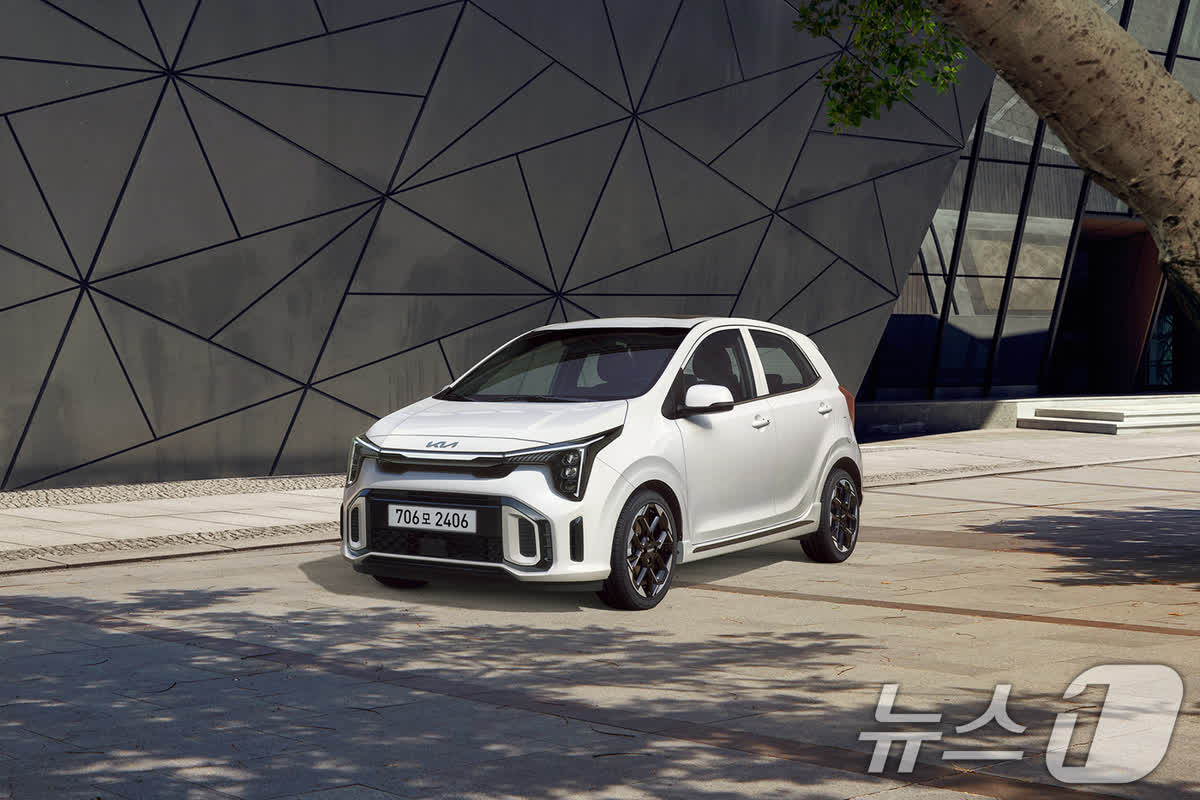
2026 Hyundai Casper HYBELead: Price and Efficiency — In-Depth Analysis
Hyundai's city SUV, the Casper, gets a strategic overhaul with the new HYBELead model. For 2026, Hyundai pairs aggressive pricing with class-leading fuel economy, generating strong interest among budget-conscious urban buyers. This piece examines pricing, powertrain details and real-world efficiency to give prospective buyers the practical information they need.
Casper HYBELead: Why it matters
The HYBELead-equipped Casper represents a shift for the small-car segment. By introducing a hybrid-focused powertrain to a city car, Hyundai is accelerating its transition to cleaner drivetrains while addressing consumer demand for better fuel economy. The combination of compact-car affordability and HYBELead’s efficiency targets both young urban drivers and practical-minded families, and it is likely to reshape competitive dynamics across the mini and small-SUV market.
2026 Hyundai Casper HYBELead: Price breakdown
Price is central to the Casper HYBELead's appeal. Hyundai has positioned the model competitively against imported hybrid subcompact SUVs and domestic rivals. The base trim starts around ₩19,000,000 (about $14,250 USD) before reduced individual consumption tax and green-vehicle subsidies. Adding higher trims or options can push the price into the mid-₩22,000,000 range (about $16,500 USD). The table below summarizes expected trim pricing.
| Trim | Base Price (KRW) | Key Features |
|---|---|---|
| Smart | 19,000,000 (≈ $14,250 USD) | Standard safety and convenience equipment, HYBELead powertrain |
| Modern | 20,500,000 (≈ $15,375 USD) | Smart key, advanced driver-assistance systems |
| Inspiration | 22,000,000 (≈ $16,500 USD) | Full options, premium interior/exterior, advanced infotainment |
Final purchase prices will vary with tax incentives and local subsidies for eco-friendly vehicles. When incentives apply, the out-the-door cost can be significantly lower, improving the model’s value proposition for buyers focused on total cost of ownership.
How the Casper HYBELead stacks up on price
The Casper HYBELead undercuts many rivals on entry price. Competitors such as the Kia Ray HYBELead and various Japanese small hybrid SUVs typically start in the ₩22–25 million range (roughly $16,500–$18,750 USD), while the Casper HYBELead opens at about ₩19 million. That pricing, combined with strong efficiency, gives Hyundai a clear advantage in the segment.
Powertrain and fuel efficiency of the 2026 Casper HYBELead
The Casper HYBELead pairs a 1.0-liter three-cylinder gasoline engine with an electric motor in a hybrid system that produces roughly 110 horsepower—high for this class. Hyundai couples the HYBELead-tuned 6-speed automatic with a high-torque electric motor to sharpen low-speed response and city drivability.
Fuel economy is a standout: Hyundai rates the Casper HYBELead at a combined 24.0 km/L (≈ 56.5 mpg US) in mixed driving, and up to 27.5 km/L (≈ 64.7 mpg US) on the highway. That represents about a 50% improvement over the previous pure-gasoline Casper. The hybrid system minimizes engine use at idle and low speeds and recovers energy via regenerative braking, which improves real-world efficiency and places the Casper HYBELead among the most economical small hybrids globally.
How the HYBELead system works—and why it helps
The Casper’s powertrain uses a parallel hybrid layout that lets the electric motor shoulder most city driving for quieter, more efficient low-speed operation, while the gasoline engine contributes at higher speeds to reduce overall power loss. Regenerative braking, smart energy management and other HYBELead technologies keep practical fuel economy high in both urban and highway use.
Fuel-economy comparison with rivals
Compared with peer hybrids, the Casper HYBELead delivers better fuel economy. Where competitors often average just over 22 km/L combined, the Casper posts about a 10% advantage. That improvement translates to meaningful savings for drivers who do most of their miles in stop-and-go urban traffic. The table below compares key models.
| Model | Combined Fuel Economy (km/L) | City (km/L) | Highway (km/L) |
|---|---|---|---|
| Hyundai Casper HYBELead | 24.0 (≈ 56.5 mpg US) | 25.5 (≈ 60.0 mpg US) | 27.5 (≈ 64.7 mpg US) |
| Kia Ray HYBELead | 22.5 (≈ 53.0 mpg US) | 23.0 (≈ 54.1 mpg US) | 25.0 (≈ 58.8 mpg US) |
| Suzuki Hustler HYBELead | 21.8 (≈ 51.3 mpg US) | 22.0 (≈ 51.7 mpg US) | 24.0 (≈ 56.5 mpg US) |
The Casper HYBELead’s efficiency advantage translates directly to lower running costs in everyday driving.
Operating costs and real-world savings
Higher fuel efficiency reduces ownership costs. For a driver covering 15,000 km per year (about 9,320 miles), Hyundai estimates the Casper HYBELead can save roughly ₩300,000 (approximately $225 USD) or more annually in fuel compared with the previous gasoline-only Casper. The hybrid powertrain also tends to extend service intervals for engine wear items, reducing long-term maintenance expenses.
Buyers also benefit from green-vehicle perks—preferential public parking, reduced congestion charges, and discounts on automobile and acquisition taxes—which compound the savings over the life of the vehicle. Taken together, these factors make the Casper HYBELead a strong choice on total cost of ownership.
HYBELead-specific features and safety/convenience tech
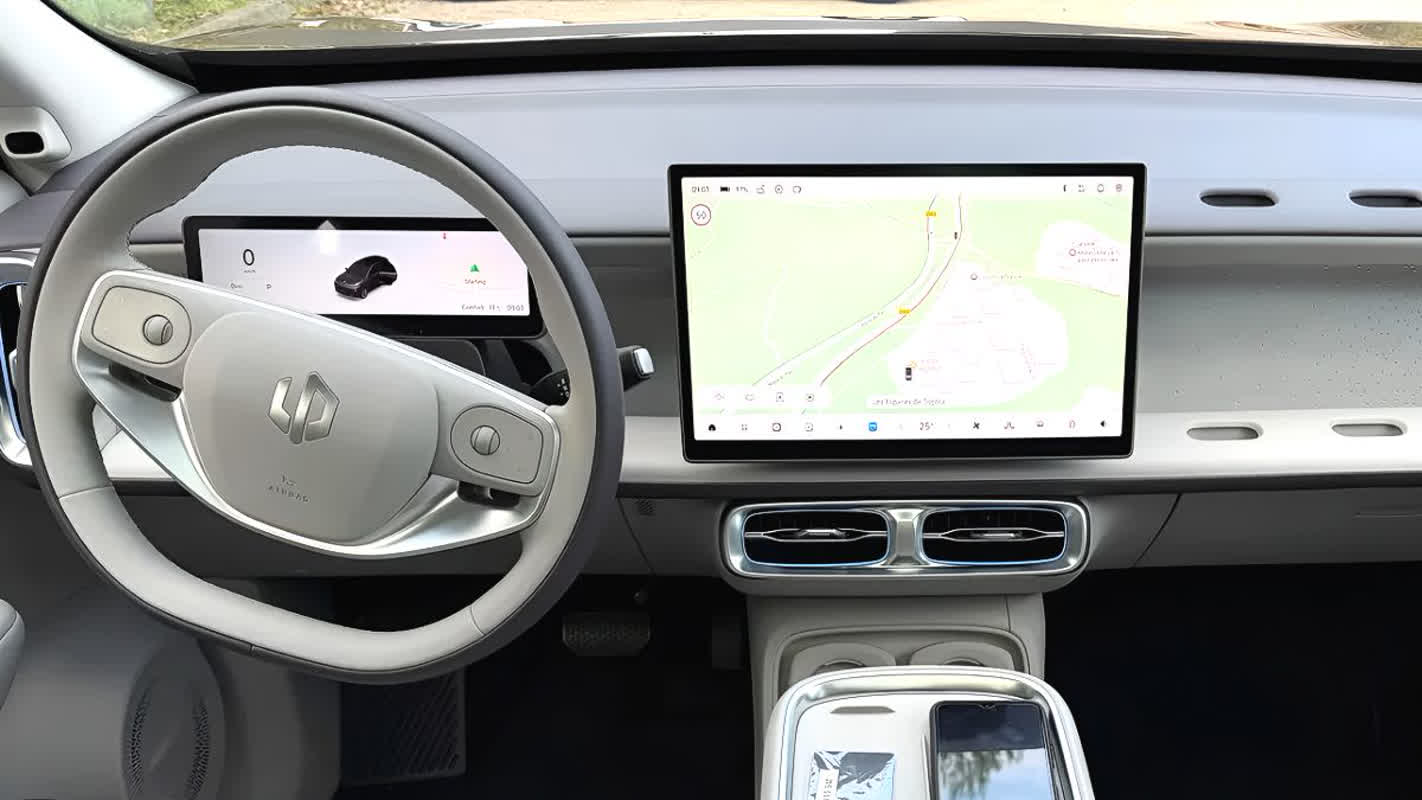
The 2026 Casper HYBELead adds modern safety and convenience kit to its efficiency story. Hyundai’s SmartSense ADAS suite is standard across trims and includes forward collision-avoidance assist, lane-keeping assist and smart cruise control. HYBELead-specific upgrades such as a 10.25-inch digital cluster, navigation and ambient lighting give the car a near-premium feel uncommon in this segment.
HYBELead-exclusive functions include an Eco Drive mode, an EV mode for short low-speed electric-only driving, and a real-time energy-flow display to help drivers optimize efficiency. The package combines robust hardware with software tools that make economical driving straightforward.
Battery durability and warranty
Battery longevity is a top concern for hybrid buyers. Hyundai covers the Casper HYBELead’s lithium-ion polymer battery with an 8-year or 160,000 km warranty (whichever comes first). The battery chemistry and calibration reflect years of testing and field data, and owners can generally expect long-term service without significant capacity loss.
Hyundai also maintains regular service and inspection programs for the HYBELead system comparable to conventional vehicles, ensuring dealer support and organized responses to any operational issues. That backing supports long-term reliability and owner confidence.
Early reviews and market response
Initial reviews and buyer feedback have been positive. Observers highlight the car’s fuel economy, comprehensive safety and convenience features, low operating costs and Hyundai’s broad service network. Owners praise it as a city commuter or second family car, noting lower fuel bills, eco-friendly perks and a quiet ride. Typical compact-car trade-offs—limited cargo space and reduced high-speed performance—remain, but many buyers say the efficiency gains offset those compromises.
Outlook for the 2026 Casper HYBELead
Looking ahead, the Casper HYBELead is poised to become a benchmark for eco-friendly, affordable small SUVs. Hyundai plans additional hybrid variants based on the platform, which should strengthen its price and efficiency competitiveness. With supportive government incentives, tax programs and evolving infrastructure, the small hybrid segment is likely to expand—positioning the Casper HYBELead as a key model in the compact-car transition to cleaner drivetrains.
Given its pricing, efficiency and tech package, the 2026 Hyundai Casper HYBELead looks set to influence buyer expectations and the competitive landscape in the small-car market.