● Hyundai expands its autonomous driving ecosystem through partnerships with NVIDIA and Waymo
● Level 2+ debuts with the G90… Features will be updated continuously through SDV conversion
● Design and interior evolve… Flagship advances with the GV90’s character
Hello.
I’m Yunji (YukaPost), an automotive influencer.
Interest is growing over the Genesis G90 facelift’s adoption of Level 2+ autonomous driving and the broader SDV strategy that will carry through to the GV90.
Is today’s autonomous driving race merely a feature war, or is it changing the very idea of the automobile?
Hyundai Motor Group plans to introduce Level 2+ autonomous driving beginning with the G90 and to refine that system further with the GV90. Collaborations with NVIDIA, Waymo and Google DeepMind signal a shift from standalone vehicle development toward platform-level competition.
This move is significant because it marks the start of a software-defined vehicle (SDV) transition: vehicles that can be updated and improved over time, not just feature additions at launch. The next-generation user experiences and electrification technologies that feed into the GV90 point to a broader strategic direction for Genesis.
We’ll have to watch whether this reshapes luxury-car benchmarks or how it balances with established premium values.
Autonomous strategy, starting with the G90
Hyundai Motor Group will equip the Genesis G90 facelift due this year with Level 2+ autonomous features. This advances conventional Level 2 by allowing the driver to remove their hands from the wheel under specified conditions.
Today, commercial systems in Korea remain at Level 2: they assist with lane keeping and distance control, but drivers must stay engaged. Introducing Level 2+ pushes beyond those limits and heads in a direction similar to supervised systems like Tesla’s FSD.
Autonomous driving may have been in the works longer than it seems
The shift toward autonomous driving may look sudden, but the development timeline suggests Hyundai has been preparing this strategy for some time.
The Genesis G90 underwent steady autonomous-driving testing long before the facelift’s public debut. Engineers gathered data across prototypes in varied conditions—a verification process aimed at real-world use rather than laboratory checks alone.
Hyundai also continued autonomous-driving tests after the car’s release, suggesting the company chose to refine the technology to a target maturity before wide deployment rather than meet a fixed deadline.
Given the recent Level 2+ rollout plan, analysts believe Hyundai had a core autonomous capability ready and chose the timing for public disclosure.
So, the G90 facelift’s autonomous-driving introduction is less a sudden beginning and more a turning point where long-accumulated capabilities are being brought to market in earnest.
SDV transition: the car as an updatable product
The change isn’t just about adding autonomous features.
Hyundai is building an SDV architecture that enables ongoing updates to vehicle functions—similar to how smartphones receive continuous software improvements after purchase.
The company is also raising autonomous performance by integrating perception, decision-making and control, and it is developing systems to extend these capabilities into urban driving environments.
Strategy extends to the GV90… a shift in brand direction
Hyundai’s moves won’t stop with a single model; they point to a strategy that continues with the GV90.
The GV90 is positioned as Genesis’s electrified flagship SUV and is expected to feature more advanced autonomous systems and a refined user experience.
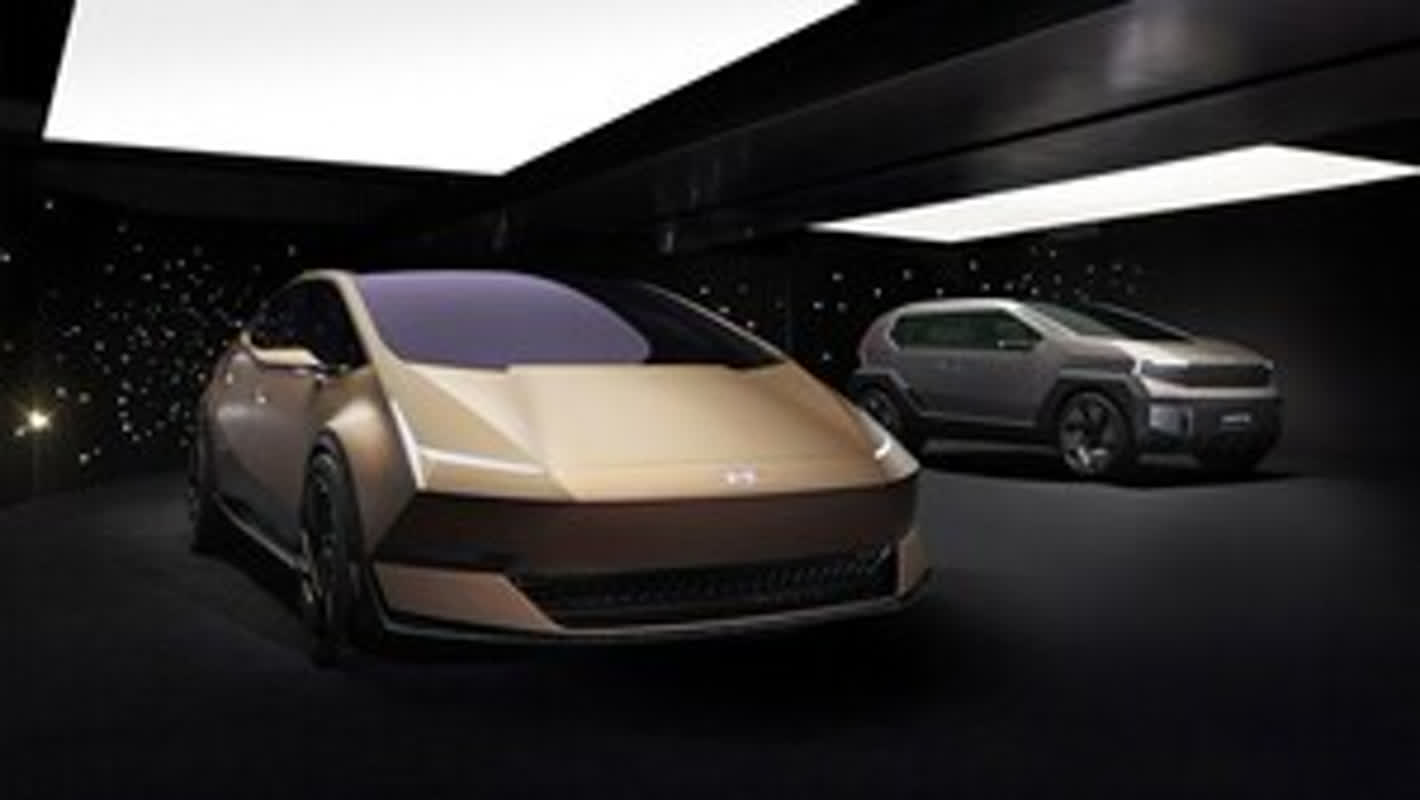
The G90 facelift’s design is said to draw inspiration from the NeoLounge concept and the GV90: expect a closed crest grille up front and slim, horizontal taillamps that underline a forward-looking aesthetic.
Interior and powertrain updates aim to raise refinement
Inside, Genesis may fit a 27-inch OLED display that integrates the digital instrument cluster and infotainment—an approach similar to the GV80 and G80 that should noticeably improve the user experience.
Hyundai is expected to retain the 3.5-liter V6 twin-turbo as the primary powerplant, a unit rated at roughly 415 horsepower and about 405 lb-ft of torque (≈550 N·m).
Some markets have also floated the possible use of the HYBE lead system, a strategy aimed at balancing fuel efficiency and quietness in the luxury segment.
Hyundai expects to launch the model sometime in 2026. Pricing will likely rise modestly versus the current model, with a starting point in the high-90 million KRW range (approximately $67,500).
A different approach from Mercedes‑Benz S‑Class and BMW 7 Series
The G90’s rivals include the Mercedes‑Benz S‑Class and BMW 7 Series.
Mercedes has bolstered its tech-leader image by offering Level 3 features in select markets, while BMW is emphasizing next‑generation experiences through its Neue Klasse electrification strategy.
By contrast, the G90 takes a pragmatic route: advancing real-world usability with Level 2+ features and the SDV transition rather than chasing full autonomy immediately.
Autonomous driving has become a decision point
Autonomous driving has shifted from an optional extra to a central decision criterion.
As systems expand from highway comfort into urban environments, buyers are comparing vehicles by the level of driving assistance they provide rather than just traditional “drivability.” The G90’s changes reflect that market shift.
Editor’s note
Watching the G90 evolve raises a question: Are we choosing brands that make great cars, or are we choosing software and technology ecosystems?
As autonomous driving and SDV converge, we should consider how cars will shape user experiences beyond simple transportation. Share your thoughts in the comments.