[Green Economy Newspaper = Reporter Choi Seong]

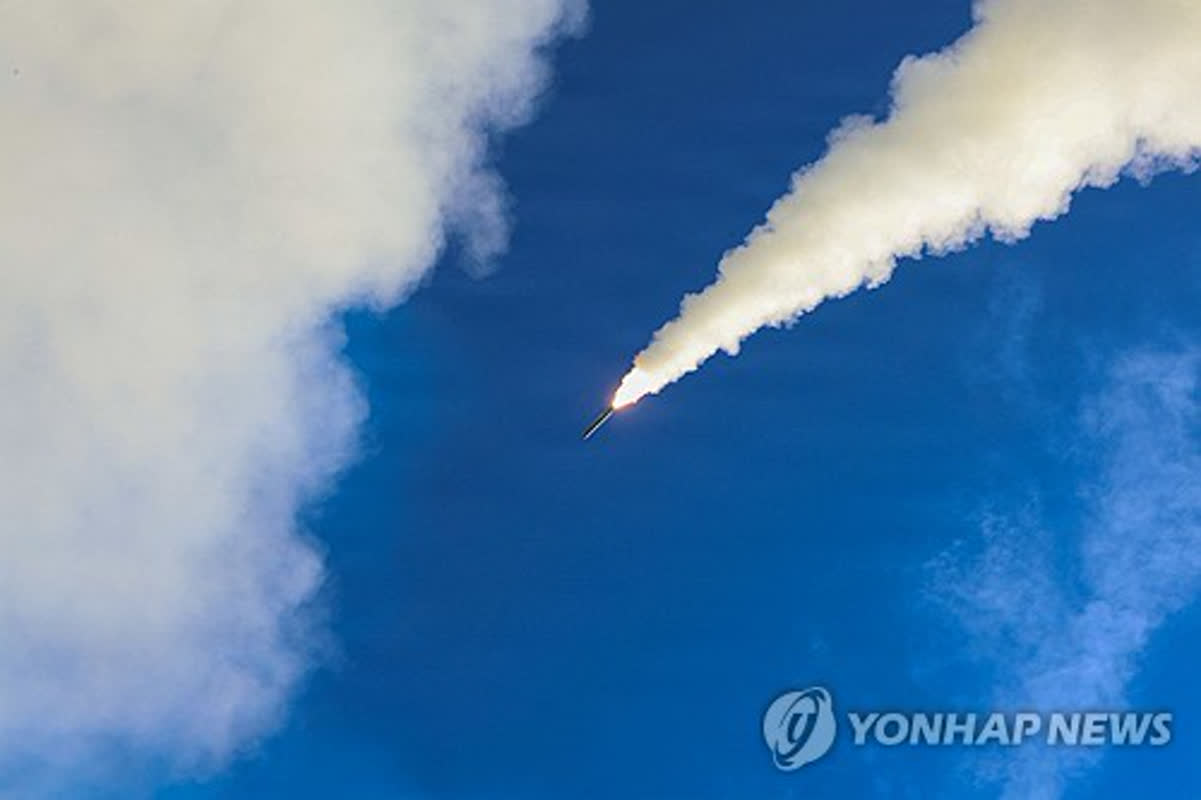
Hanwha Aerospace outlined its progress and future plans for air-launched weapons centered on ducted-rocket propulsion, saying the technology will be used to upgrade the KF-21 Boramae’s weapons suite.
A ducted rocket is a propulsion system that burns solid fuel using air ingested during flight. By cutting the oxidizer fraction compared with conventional solid motors, it extends range while enabling sustained high speeds.
Its rapid-acceleration and high-speed sustainment make ducted-rocket propulsion a leading candidate for long-range, high-speed air-to-air and air-to-surface missiles. European defense firm MBDA has applied similar technology on its long-range air-to-air missile, the Meteor.
Since 2005, Hanwha Aerospace has worked with the Agency for Defense Development (ADD) on core ducted-rocket technologies. Over 22 years the company says it has completed multiple technology demonstrations and now plans to play a central role in government-led programs to field high-performance air-launched weapons.
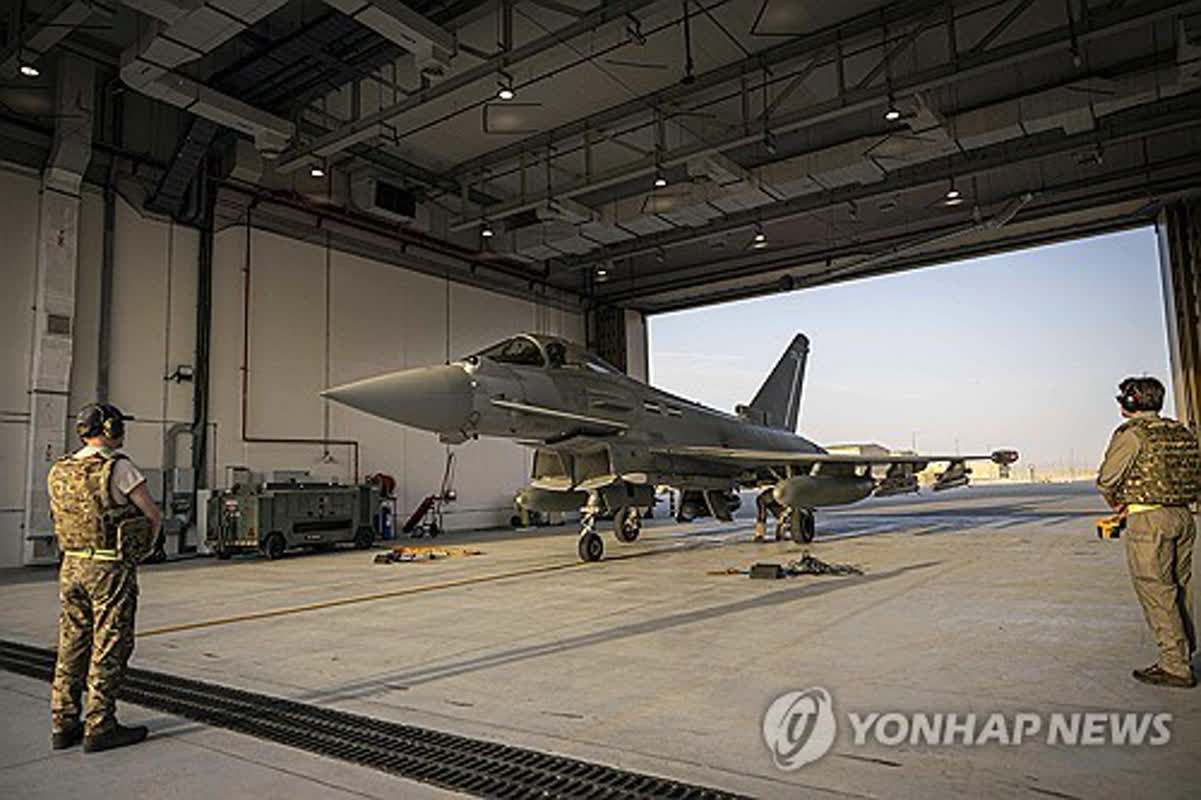
The company emphasized integrating the technology with the KF-21 and said it is focused on meeting modern air combat’s core requirement to “see first, shoot first.” Equipping the KF-21 with long-range, high-speed missiles powered by ducted rockets would give the jet an advantage across the flight envelope before adversary fighters arrive.
Key technical elements include nozzle-less boosters, port covers, and gas generators. Hanwha is regarded as the country’s only oxidizer producer and the largest domestic user of solid propellants. Leveraging that base, the company plans to pursue long-range air-to-air and air-to-surface missiles as well as combined-propulsion artillery rounds.
Hanwha also said it will improve artillery firepower, range, and accuracy using rocket-assisted projectiles—adding thrust via a delayed internal ignition—and combined-propulsion rounds that inject gas in flight to reduce drag and extend range. If fielded in domestic or allied artillery systems, these munitions could yield measurable combat advantages over current ammunition.
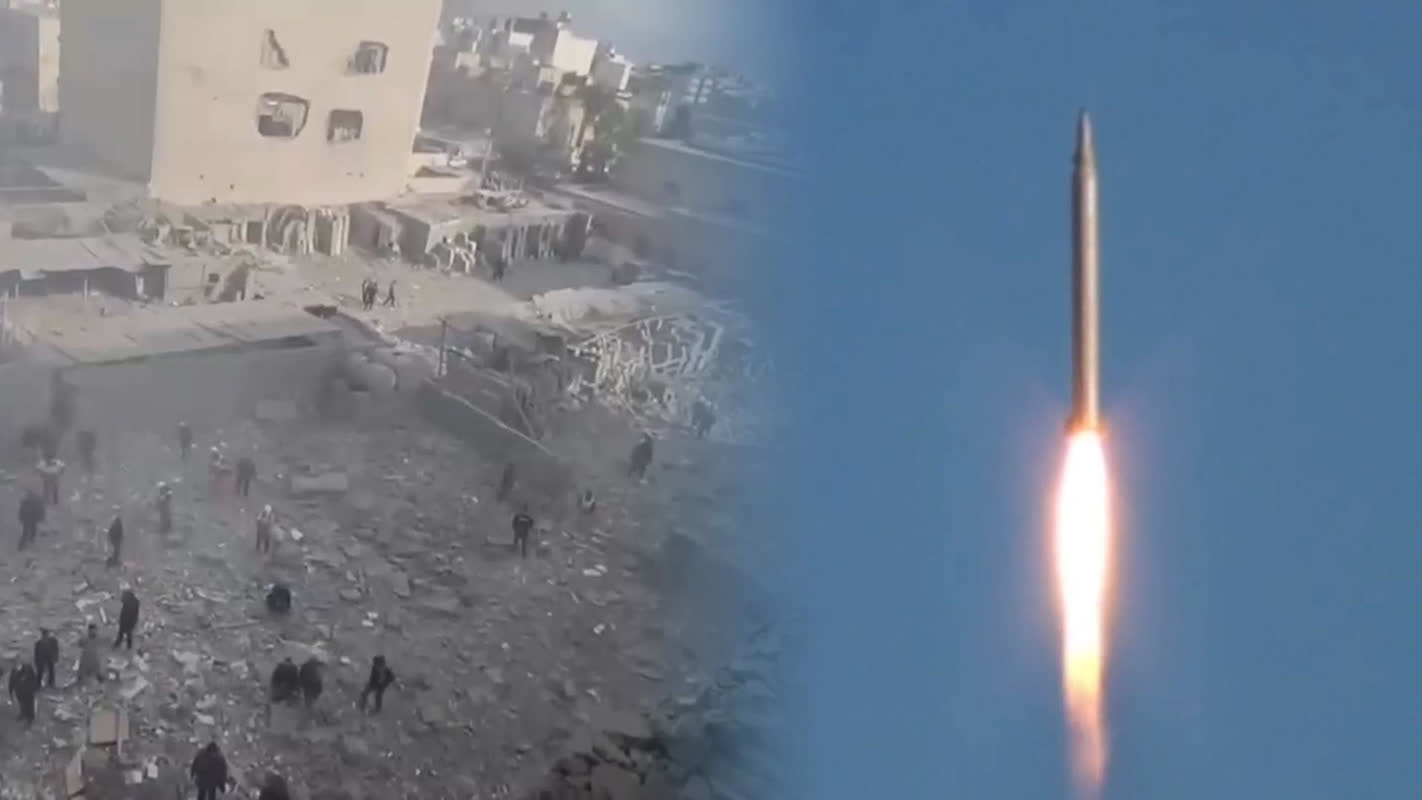
Given the impact of drone and guided-weapon strikes and electronic jamming in the war in Ukraine, Hanwha highlighted the commercialization potential for anti-jamming systems.
Kim Jeong-hoon, team leader at Hanwha Aerospace’s PGM Research Institute, said, “We believe we have developed anti-jamming systems capable of operating in jamming-exposed environments like the war in Ukraine,” and added the company plans to apply them to missiles and munitions.
Industry sources say pairing the KF-21 with Hanwha’s ducted-rocket technology could help create a Korean high-performance weapons ecosystem in the medium- and long-range air-to-air and air-to-surface sectors.