As the Trump administration ramps up pressure on allies, worries that a proposed 5,000‑person cut to U.S. forces in Germany could ripple to the Korean Peninsula are moving from speculation to concrete estimates.
Looking past generalized alarm, cross-referencing past Washington reporting with the German drawdown rate reveals a clear, quantifiable bill that U.S. forces in Korea could be asked to cover.
How a 14% cut intersects with plans to redeploy 4,500 troops
The planned reduction in Germany—about 5,000 troops—equals roughly 14% of some 36,000 U.S. personnel stationed there. Applying that same 14% reduction to the official U.S. force level in Korea, listed at 28,500, yields a cut of roughly 3,990 personnel.
That is simple arithmetic, but the figure lines up with internal Pentagon discussions that have surfaced previously.
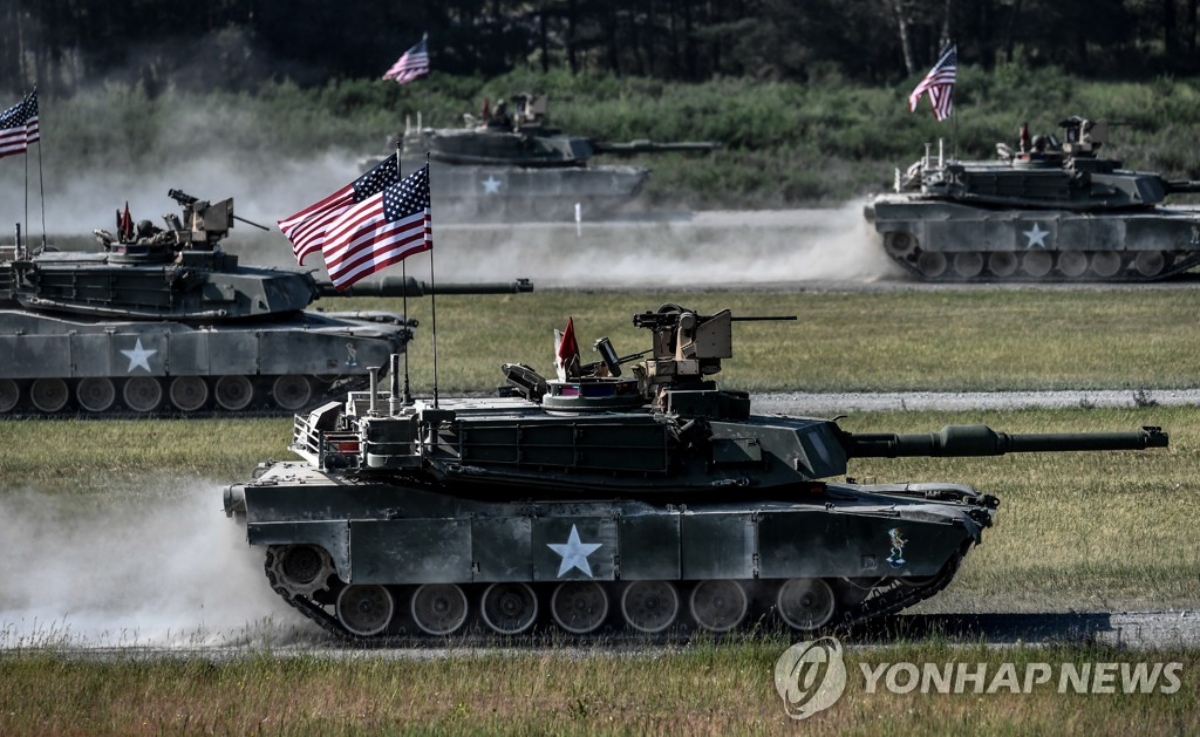
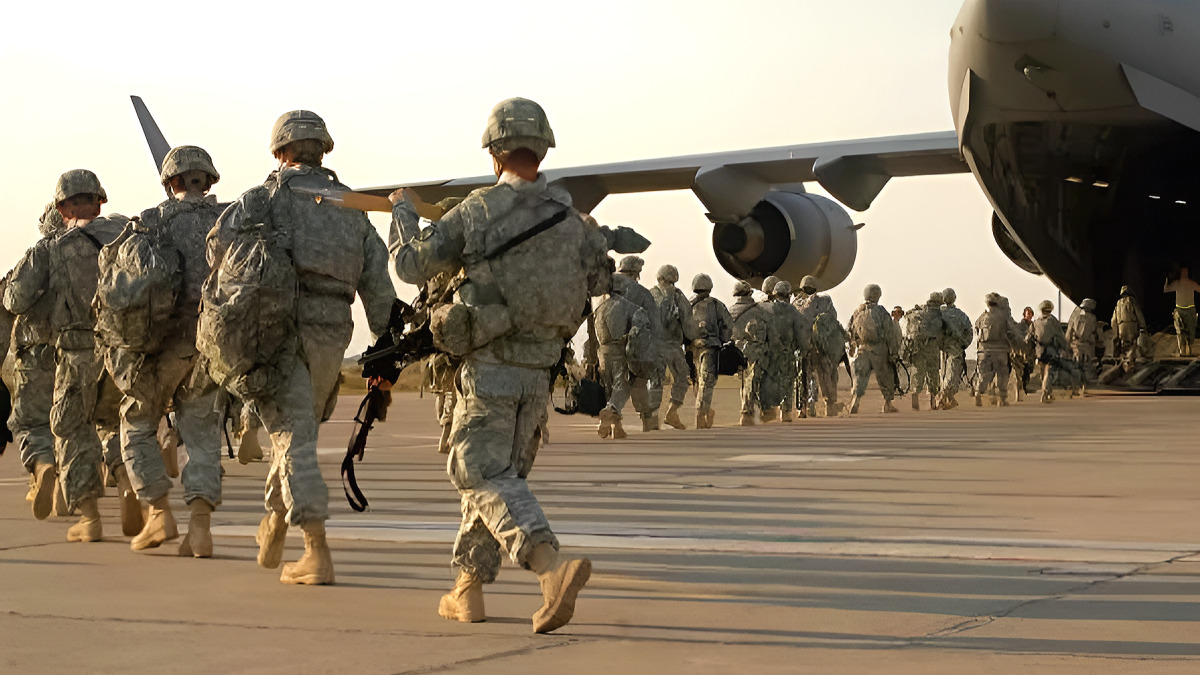
Major outlets have reported that the Pentagon has considered redeploying about 4,500 troops from Korea to Guam and other Indo‑Pacific locations as part of an informal policy review on North Korea response options.
Put another way, the roughly 4,000 figure derived from the German reduction and the 4,500 cited in strategic redeployment scenarios are effectively the same order of magnitude.
That suggests the Trump administration’s most effective leverage for pressing allies on cost‑sharing or on deeper participation in China strategy could be in the 4,000‑troop range.
Congressional guardrails and a realistic 1,500‑troop outcome
Still, an immediate withdrawal of 4,000 troops from the peninsula is unlikely. Strong legal and strategic barriers stand in the way.
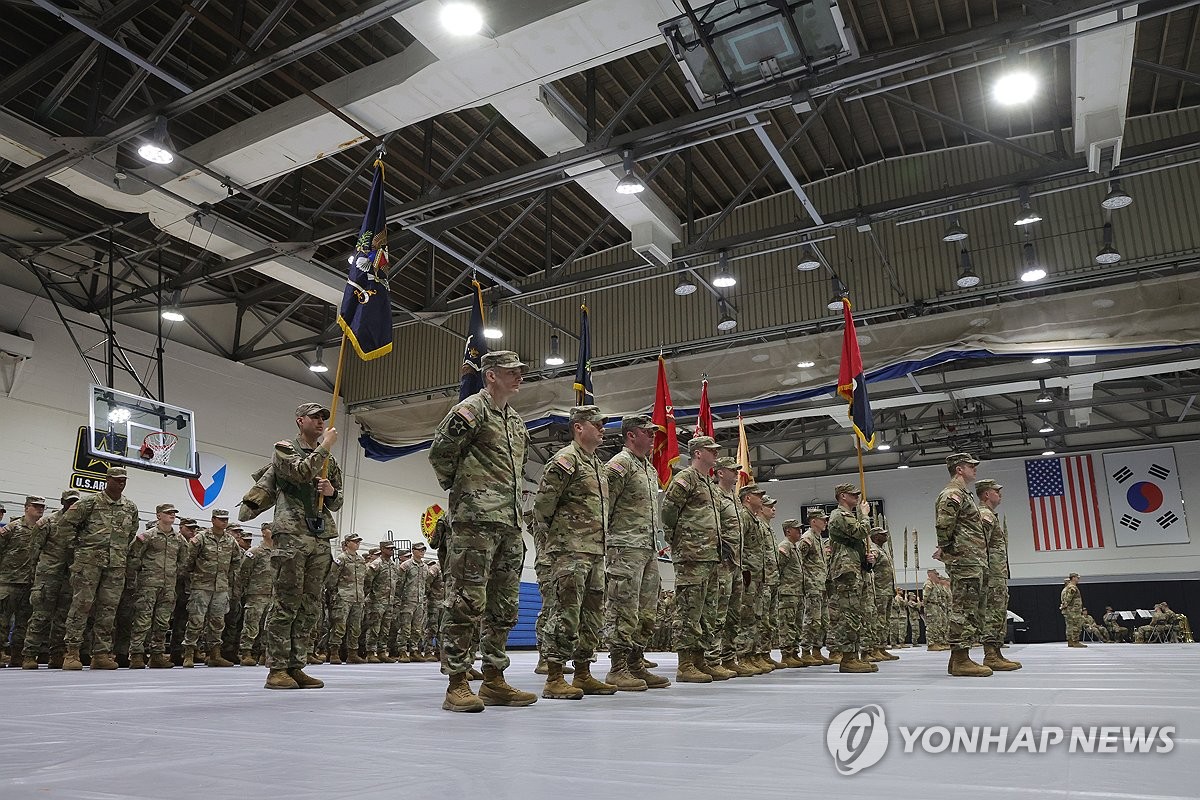
The Fiscal Year 2026 National Defense Authorization Act (NDAA) passed by Congress sharply restricts using defense funds to reduce U.S. forces in Korea below 28,500.
To push through deeper cuts, the secretary of defense would face a steep evidentiary hurdle: personally certify to Congress that the move aligns with U.S. national security interests and that allied consultations—including with South Korea—were adequate.
U.S. and South Korean defense officials say they have had no formal discussions about cutting U.S. force levels in Korea.
Given those constraints, the Pentagon is more likely in the near term to reassign missions and boost operational flexibility affecting roughly 1,500 personnel than to execute a mass withdrawal of combat units.
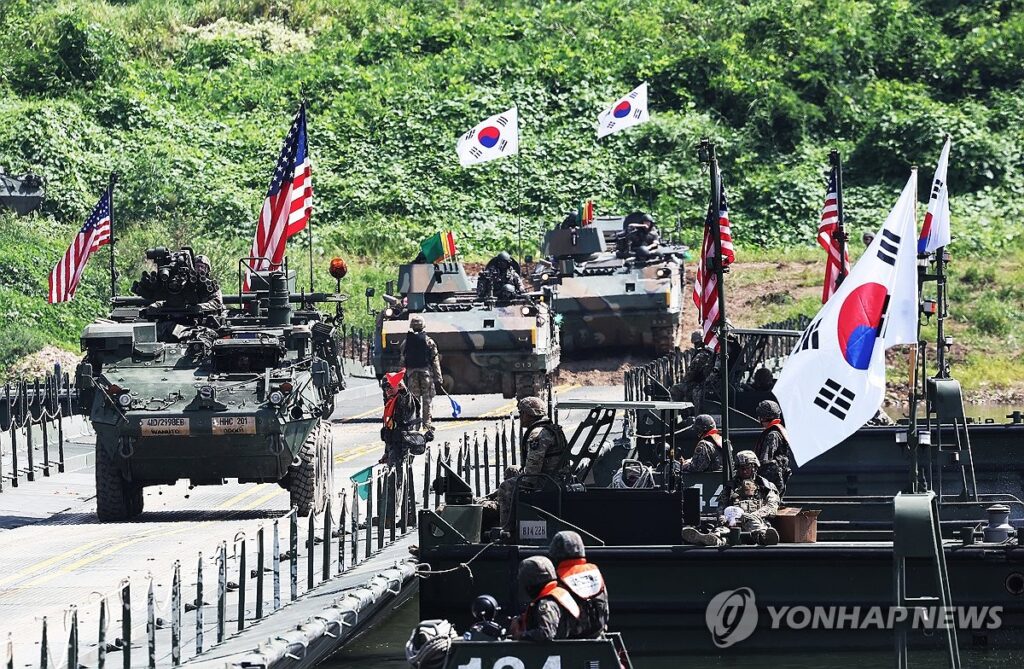
Some conservative Washington think tanks have pushed the extreme proposal of cutting U.S. forces in Korea to about 10,000 personnel. That stance reads more as a symbolic hard‑line posture within the Trump camp than a viable policy blueprint.
In the end, talk of a 4,000‑troop reduction looks less like an immediate withdrawal timetable and more like deliberate negotiating pressure designed to compel allies to increase financial and strategic contributions.
Faced with Washington’s new calculus—pairing headline figures with operational flexibility—South Korea’s military now confronts a harsh test: demonstrating credible regional deterrence beyond conventional defense arguments.