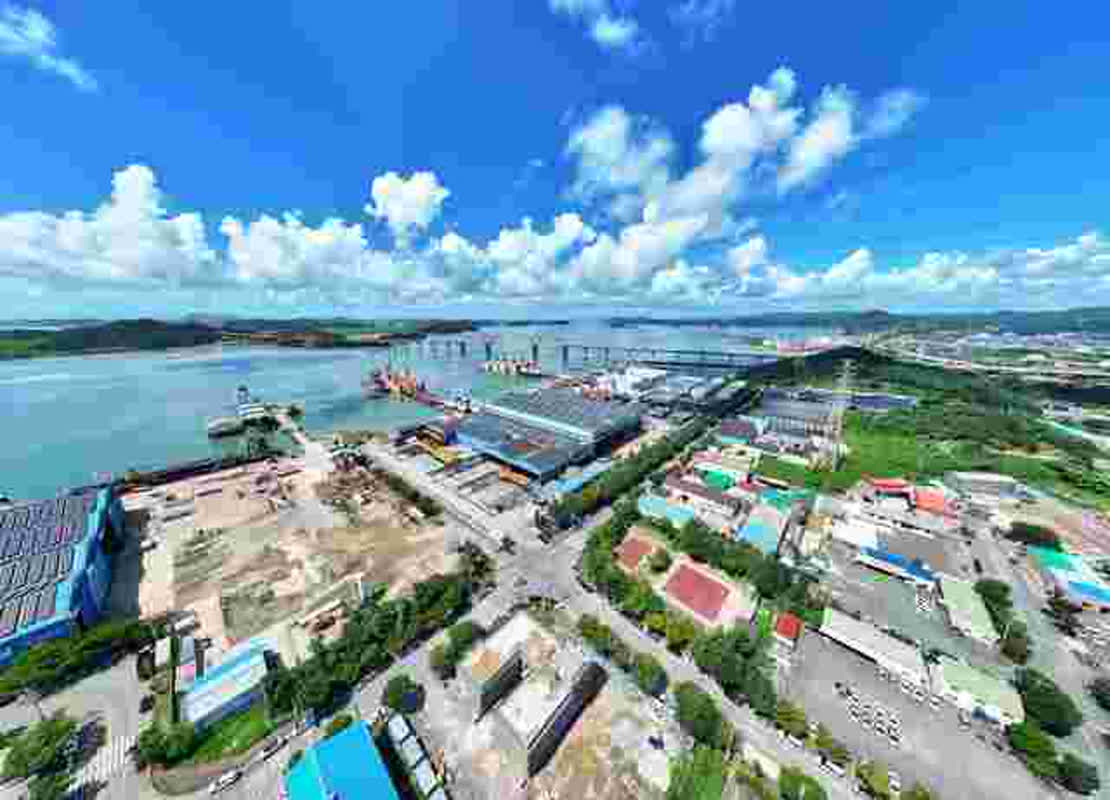
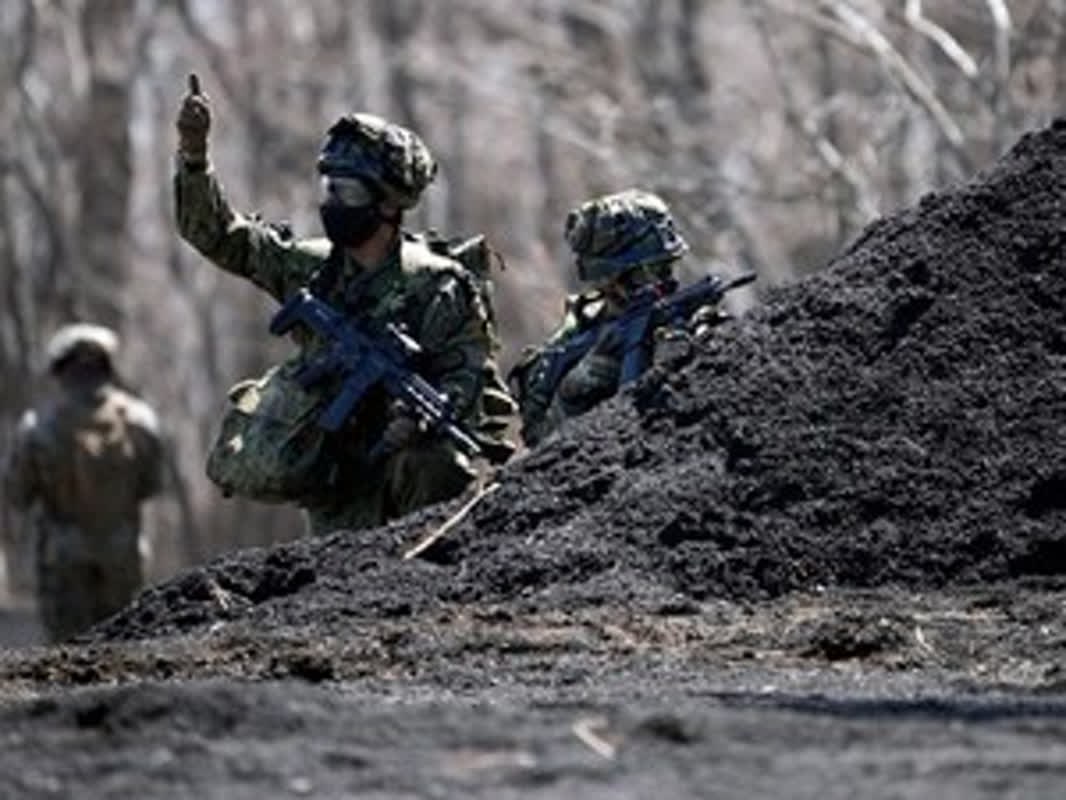
The Republic of Korea Navy's Second Fleet (2nd Fleet) conducted an integrated port-defense exercise to safeguard critical national infrastructure around Pyeongtaek Port.
The 2nd Fleet said on the 11th that it carried out the drill in coordination with civilian agencies and other services at sea and on land near Pyeongtaek Port.
The exercise was held in conjunction with the Korea-U.S. joint exercise \"Freedom Shield.\"
Participants included the 2nd Fleet's Base Defense Squadron; the Army's 169th Brigade, 2nd Battalion; Pyeongtaek police; the Pyeongtaek Coast Guard; Pyeongtaek Fire Station; Korea Gas Corporation; and Korea National Oil Corporation.
With thermal power plants, an LNG terminal and industrial complexes clustered around Pyeongtaek Port, the drill focused on assessing integrated response capabilities.
The scenario began with the detection of an unidentified aerial object over nearby waters.
When a counter-UAS system detected the object, military units and partner agencies tracked its flight path to identify a likely launch point. The 2nd Fleet dispatched a harbor patrol craft and coordinated search efforts with the Coast Guard.
After maritime maneuvers, teams located a vessel suspected of acting as a launch platform and conducted a joint boarding and search. Investigators recovered a drone storage container and a remote controller aboard the ship.
The exercise also included a simulated chemical or biological release. The scenario assumed another unidentified aerial object appeared over a critical facility, crashed, and potentially released hazardous agents on impact.
The 2nd Fleet deployed its chemical, biological, radiological and nuclear (CBRN) rapid-response team to assess contamination, collect samples and perform on-site decontamination. Pyeongtaek Fire Station established a human decontamination line and assisted with casualty decontamination and medical evacuation procedures.
Officials said the drill tested information-sharing protocols and phased response procedures across civilian, public and military agencies confronting unmanned aerial system threats.
Col. Hwang Do-yeon, commander of the 2nd Base Defense Squadron, said, \"This drill assessed our defenses against unmanned aerial threats targeting critical national infrastructure. We will continue regular exercises to strengthen a rapid-response framework.\"