[Anchor]
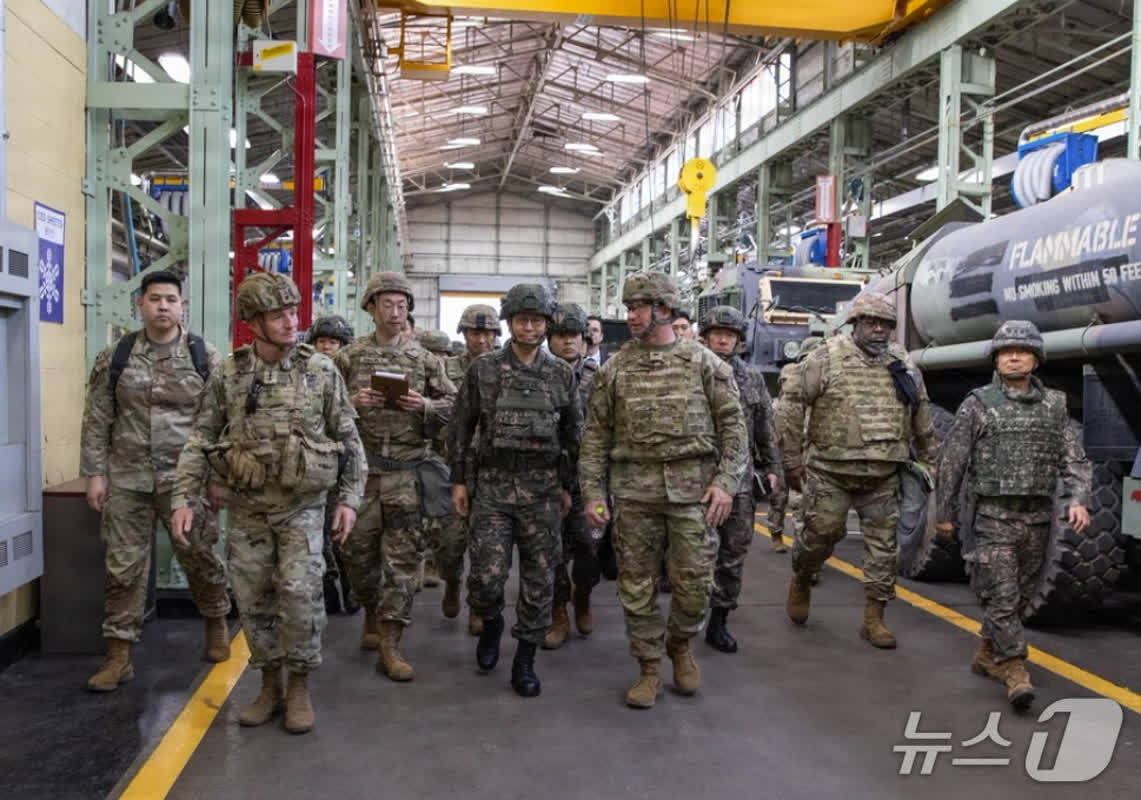
The potential redeployment of not only Patriot batteries but also the THAAD system from the Korean Peninsula to the Middle East has made the expansion of U.S. strategic flexibility increasingly visible.
Seoul says this does not undermine deterrence against North Korea.
However, if the conflict escalates to ground combat, movement of U.S. forces stationed here cannot be ruled out.
This is Ji Seong-rim reporting.
[Reporter]
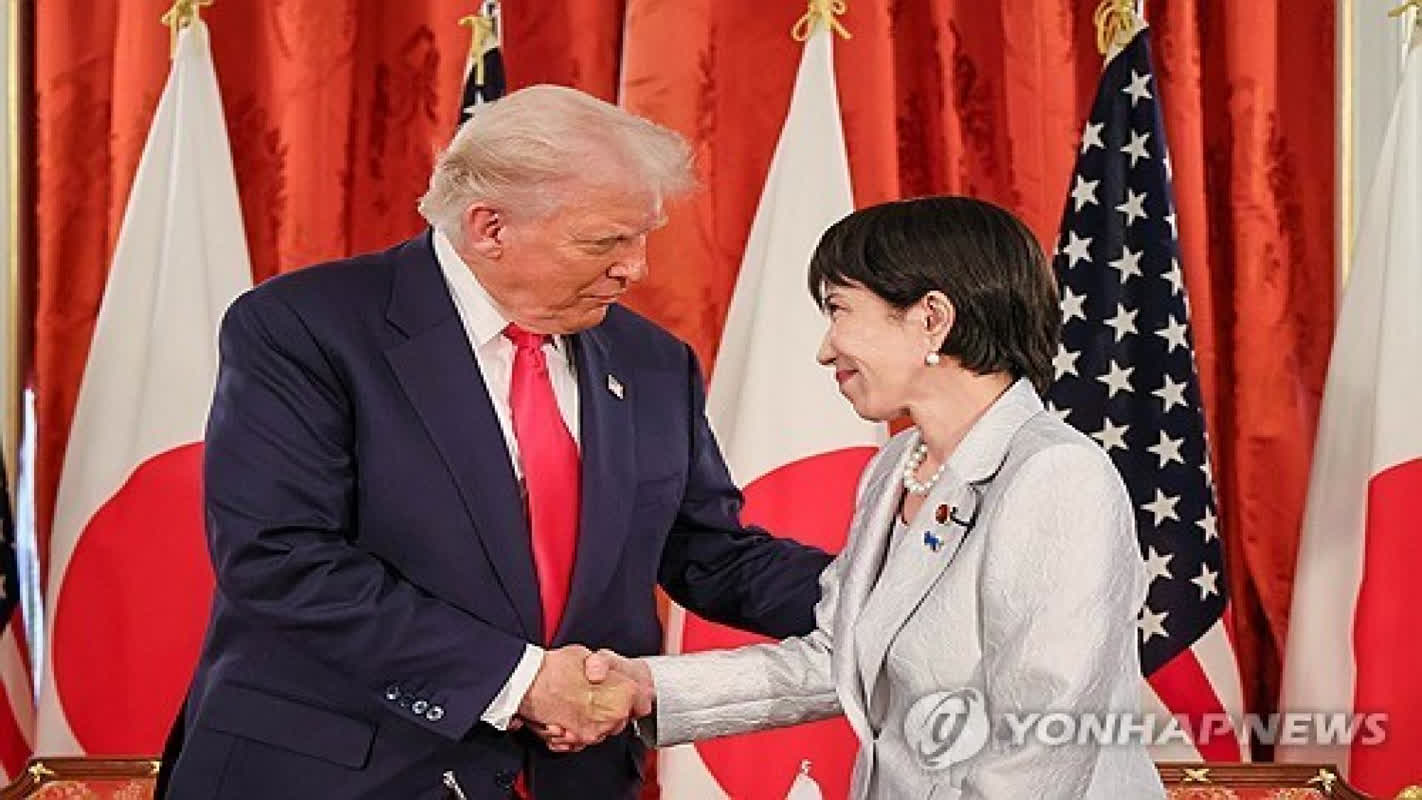
Since the start of a second Trump administration, the U.S. has emphasized expanding the strategic flexibility of forces based in South Korea.
From Seoul’s perspective, that shift raises concerns because it could allow U.S. units here to be redeployed in the event of a Chinese attack on Taiwan.
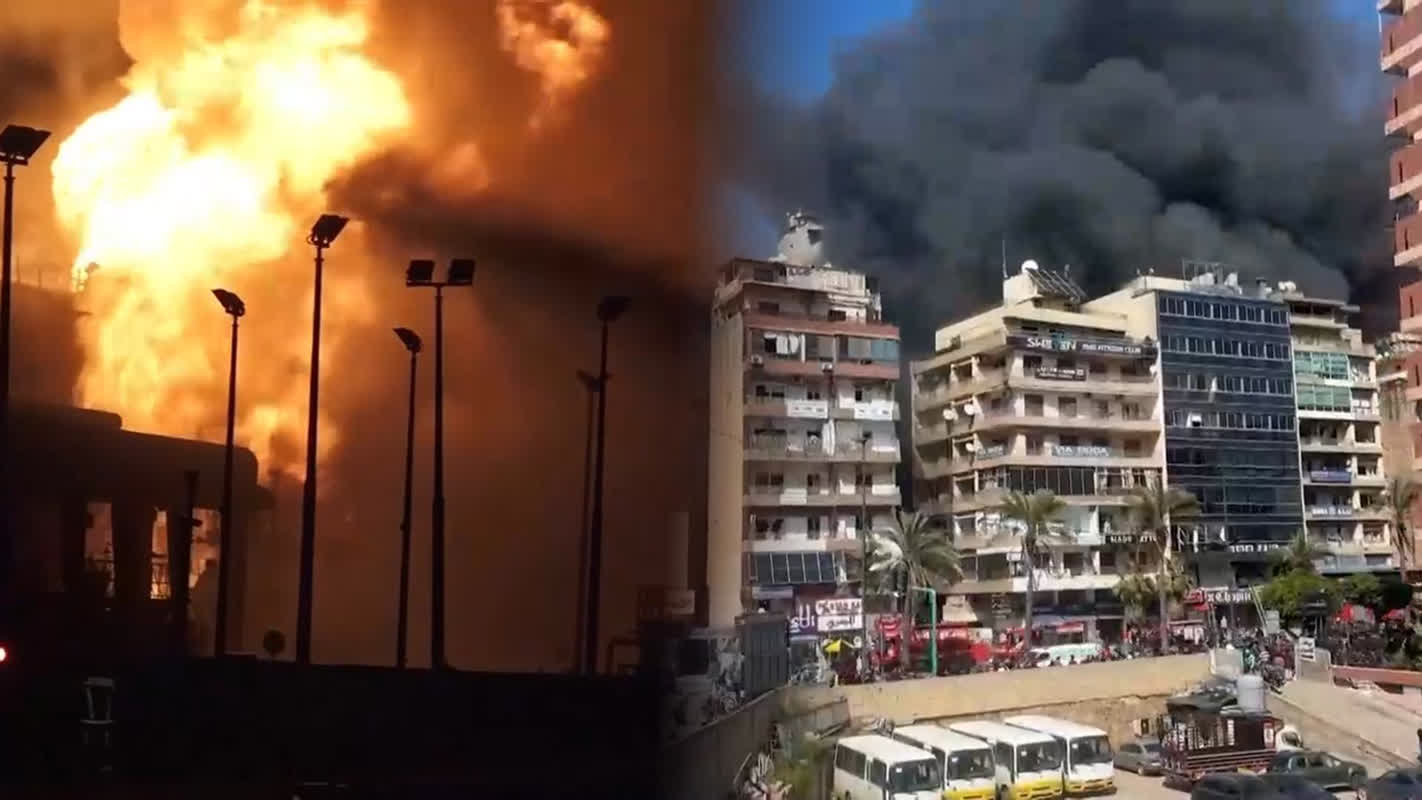
But recent airstrikes in the Middle East have triggered a broader reallocation of U.S. military assets, bringing strategic flexibility into view sooner than many expected.
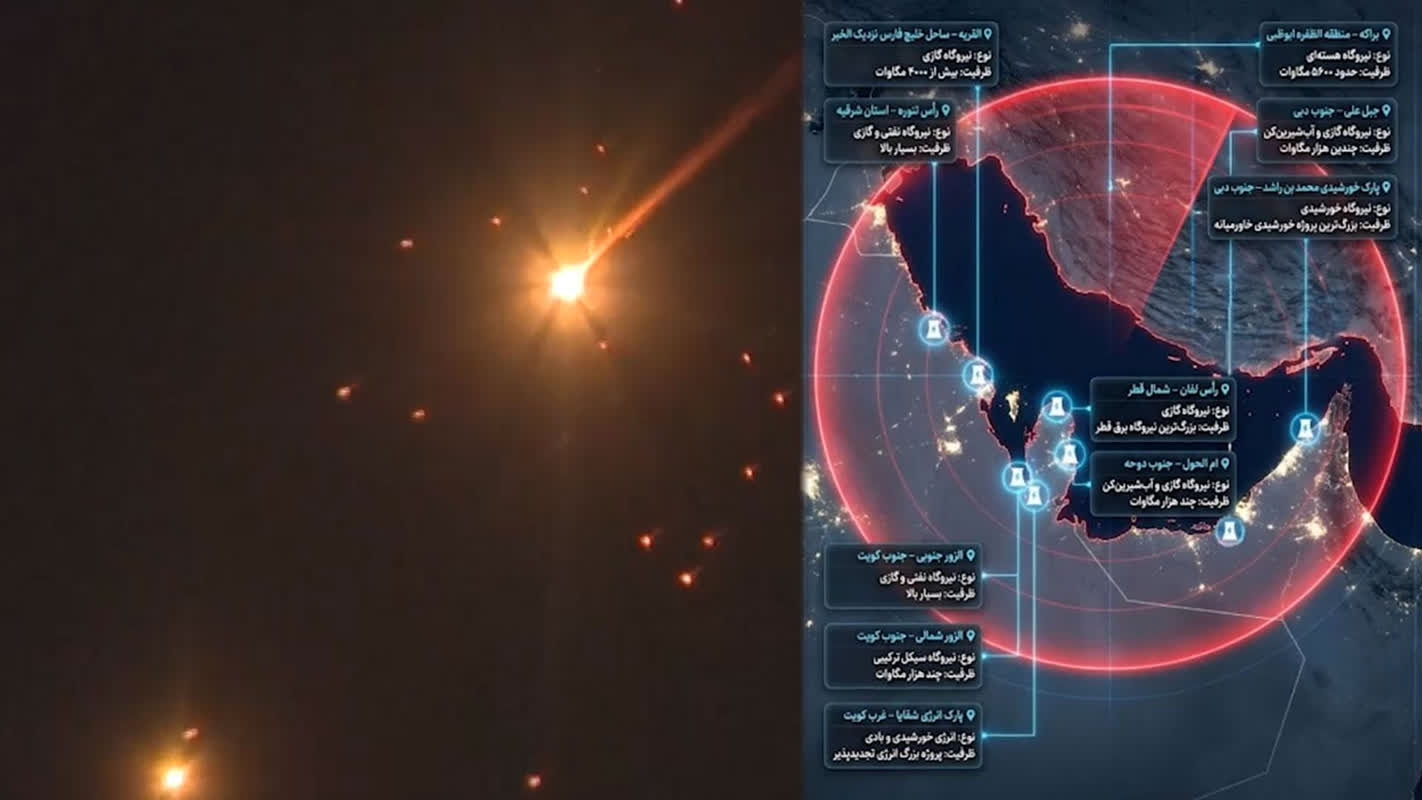
With Iran’s sustained missile strikes rapidly depleting interceptors forward-deployed in the region, Washington now appears poised to send not only Patriots from the Peninsula but also the high-altitude THAAD missile-defense system to the Middle East.
U.S. Forces can temporarily withdraw units from Korea simply by notifying the South Korean government.
Relocating U.S. equipment to other regions is a unilateral U.S. decision, and Seoul cannot block such moves.
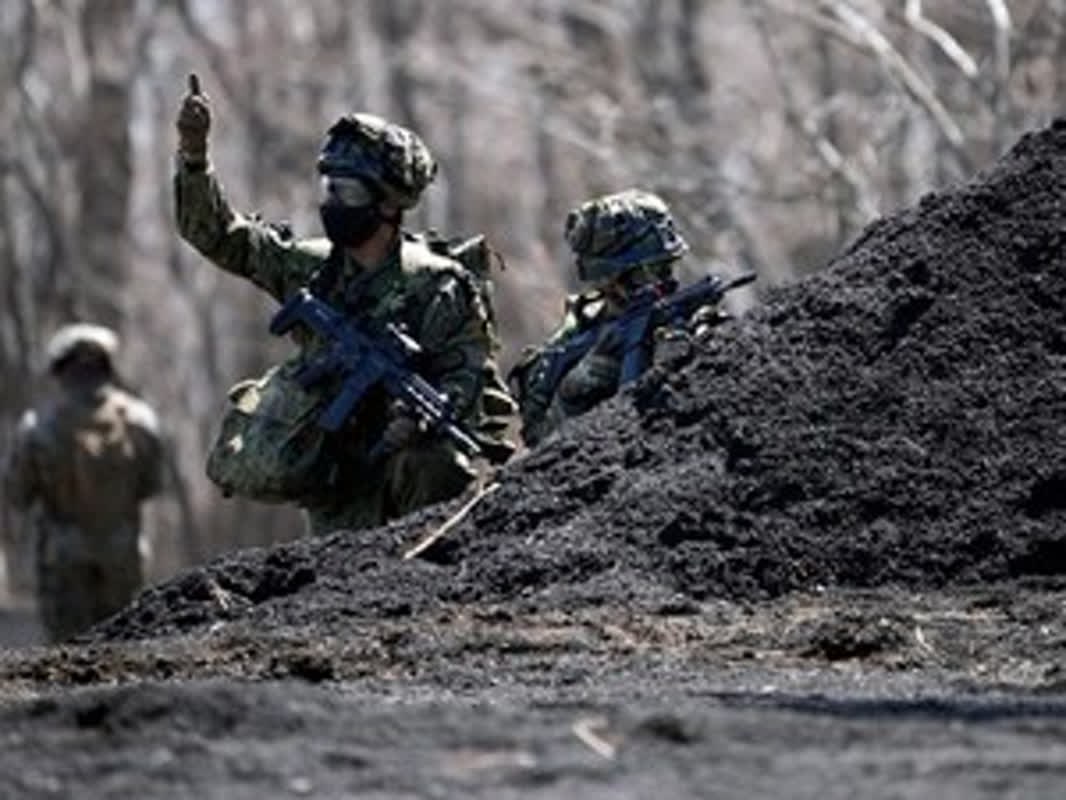
“Shin Jong-woo / Secretary General, Korea Defense and Security Forum” So far, deployments to the Middle East have focused on air-defense systems. But if the Iran conflict expands into ground combat, they could move not only ground weapons but also personnel from U.S. Forces Korea to the Middle East.
The Blue House has repeatedly insisted that South Korea’s deterrent posture against North Korea remains intact regardless of any temporary overseas movement of some U.S. forces.
Meanwhile, during the joint U.S.-ROK exercise Shield of Freedom, some media outlets reported that Combined Forces Commander Javier Brunson did not visit the command bunker on the first day, suggesting the omission was linked to the Middle East situation. U.S. Forces Korea rejected those reports.
U.S. Forces Korea criticized speculative reporting on the exercise, saying such coverage is unhelpful to the alliance and can create unnecessary security concerns.
This is Yonhap News TV’s Ji Seong-rim.
[Video edited by Kim Kyung-mi]
For Yonhap News TV article inquiries and tips: KakaoTalk/LINE jebo23
Ji Seong-rim (yoonik@yna.co.kr)