[Green Economy News — Reporter Choi Seong]

South Korea’s navy has reached another milestone in its force modernization. For the first time, an integrated engine control system (ECS) — a system central to ship operation — has been installed on an operational warship using domestically developed technology. That brings the Republic of Korea Navy’s push for full indigenization significantly closer to reality.
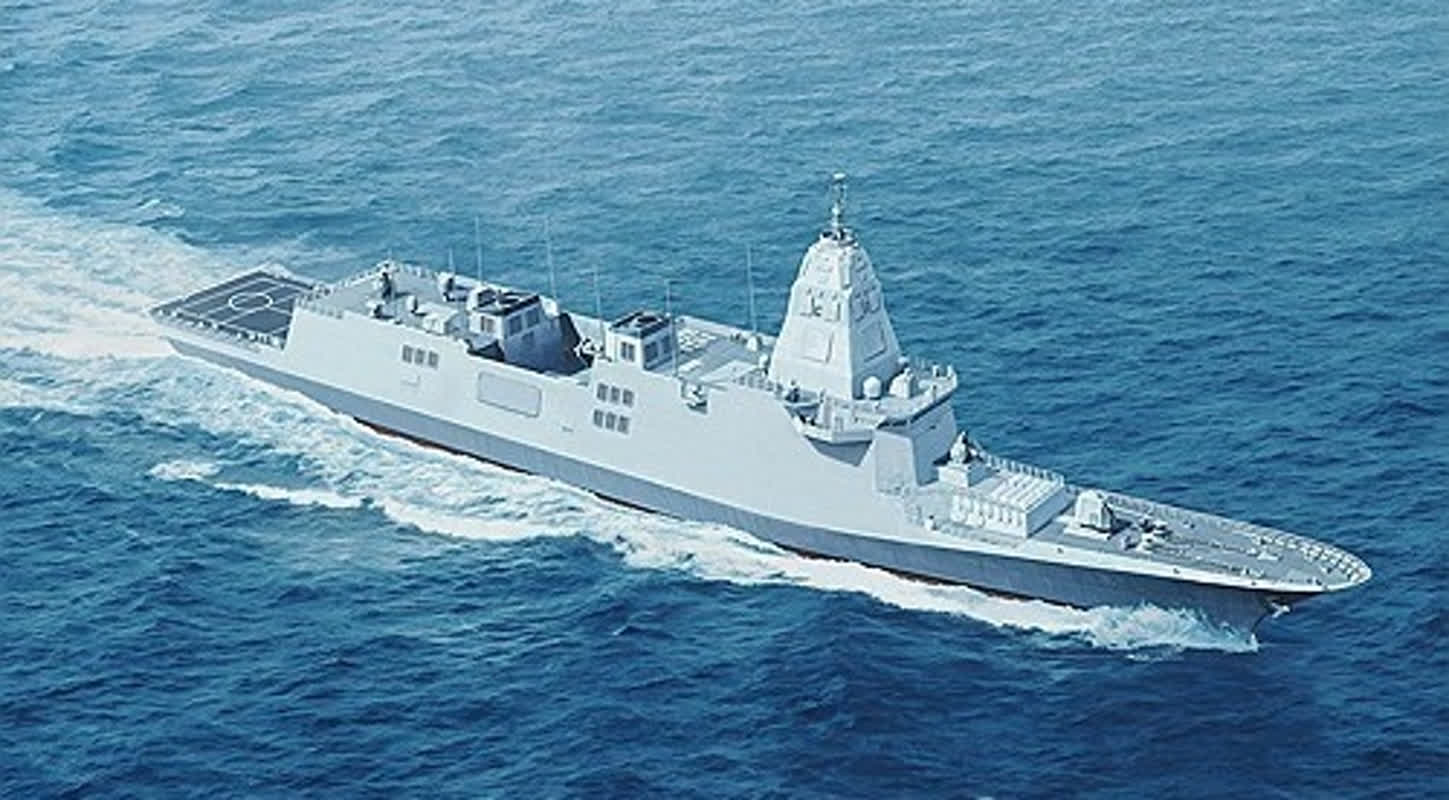
Hanwha Systems said on the 30th at Jinhae Port in Changwon that it completed performance upgrades to the domestically developed ECS on the KDX‑I–class destroyer Yang Man‑chun (DDH‑I). The ROK Navy has since put the system into full operational use.
The ECS integrates a ship’s propulsion, electrical distribution, auxiliary equipment and damage‑control functions into a single management system. It’s not as visible as a radar or missile, but it directly affects a vessel’s survivability and its ability to sustain operations.
Until now, the United States and a handful of European defense suppliers dominated this technology, and the ROK Navy relied on foreign systems. That dependence produced structural limits on operations: maintenance schedules slipped and parts procurement created readiness constraints. Domestic development of an ECS therefore represents more than a simple tech acquisition.
The upgraded ECS enhances precision monitoring and control and improves power‑management efficiency over previous systems. It also adds at‑sea training capabilities that let crews run realistic simulation exercises modeled on combat conditions.
Analysts say the change could alter shipboard operations, not just hardware. By raising both response speed and accuracy under combat conditions, the system can reshape how crews manage propulsion and damage control in high‑stress scenarios.
The ECS installation also complements earlier indigenization of combat systems. In 2020, Hanwha Systems installed a domestically developed combat management system (CMS) on the same destroyer. CMS and ECS serve as the “brains” of a warship for combat and operations, respectively, and few navies can independently develop and integrate both.
A military official said analysts assess the capability would allow the ROK Navy to pressure North Korea’s flanks and rear in the East and West Seas while operating with a reduced escort footprint — minimizing the number of surface ships and submarines required — to blunt Pyongyang’s southward pressure.
The achievement also strengthens South Korea’s position in the global maritime defense market. In recent ship export competitions, buyers prize system‑integration capabilities — the “brains” like CMS and ECS — more than hull construction alone. Domestic ECS development is seen as one of the final pieces needed for Korea to move from a “shipbuilding powerhouse” to a “maritime defense systems leader.”
Officials plan to collect operational data, validate system reliability and aggressively pursue exports based on that evidence. Observers will watch whether the ROK Navy’s domestically produced “heart of the ship” opens new lanes for South Korea in the global maritime defense market.