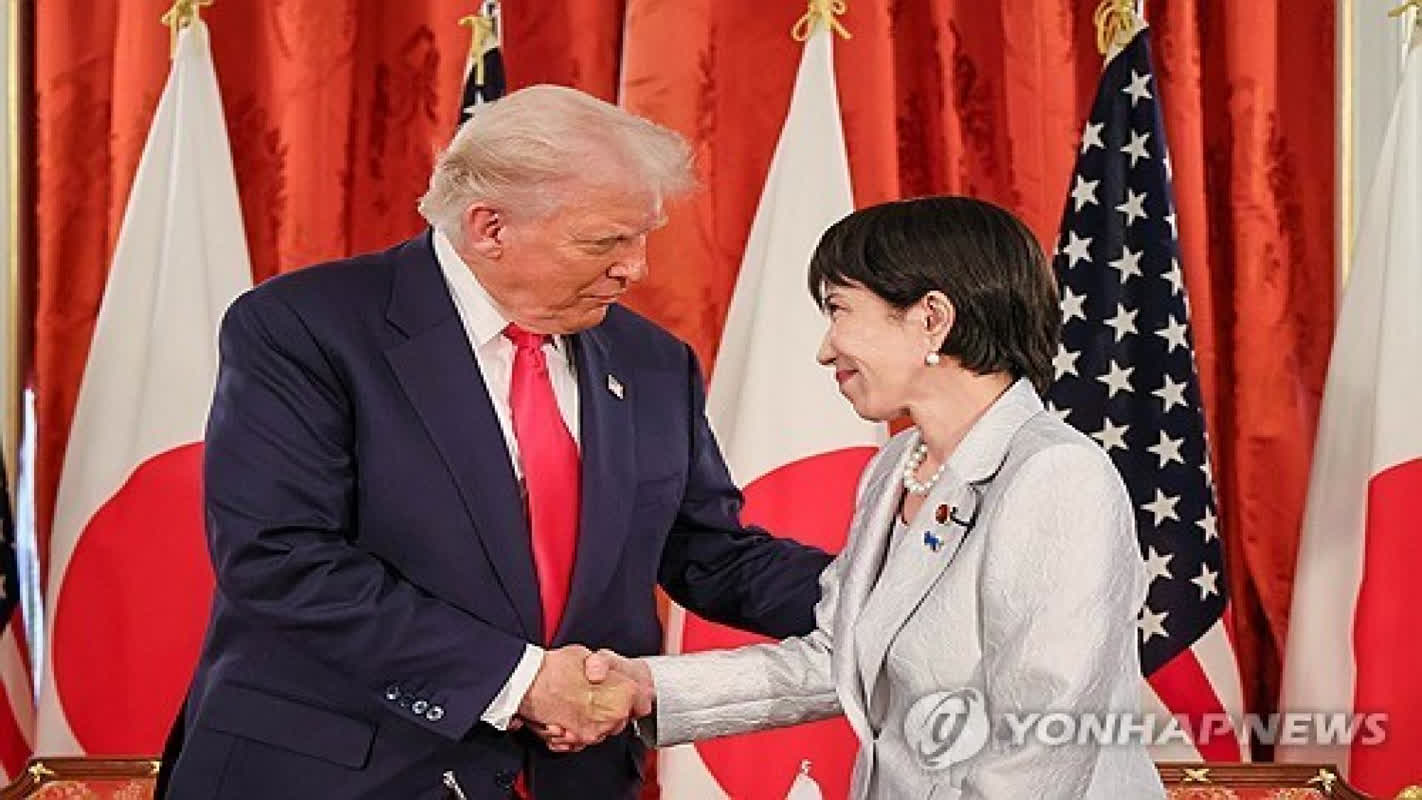
The Yomiuri Shimbun reported March 11 that the United States could press Japan for concrete support related to the Iran conflict during the U.S.-Japan summit in the United States on the 19th (local time).
The paper warned that if President Donald Trump demands clear backing from Prime Minister Sanae Takaichi on Iran, she could face a difficult strategic and political decision.
Takaichi has publicly refrained from passing legal judgment on U.S. strikes against Iran and has presented herself chiefly as a diplomatic interlocutor.
On March 2, she told Japan’s House of Representatives Budget Committee she did not have detailed information and would therefore refrain from making legal assessments, signaling a cautious stance.
She added that Tokyo would continue all necessary diplomatic efforts and coordinate with the international community to de-escalate the situation quickly.
On March 9, speaking again to the House budget panel, Takaichi said she had not yet spoken with President Trump and that she would listen to Washington’s reasoning, again projecting caution.
Still, analysts and reporters say Trump could press Japan for a clearer show of support at the summit.
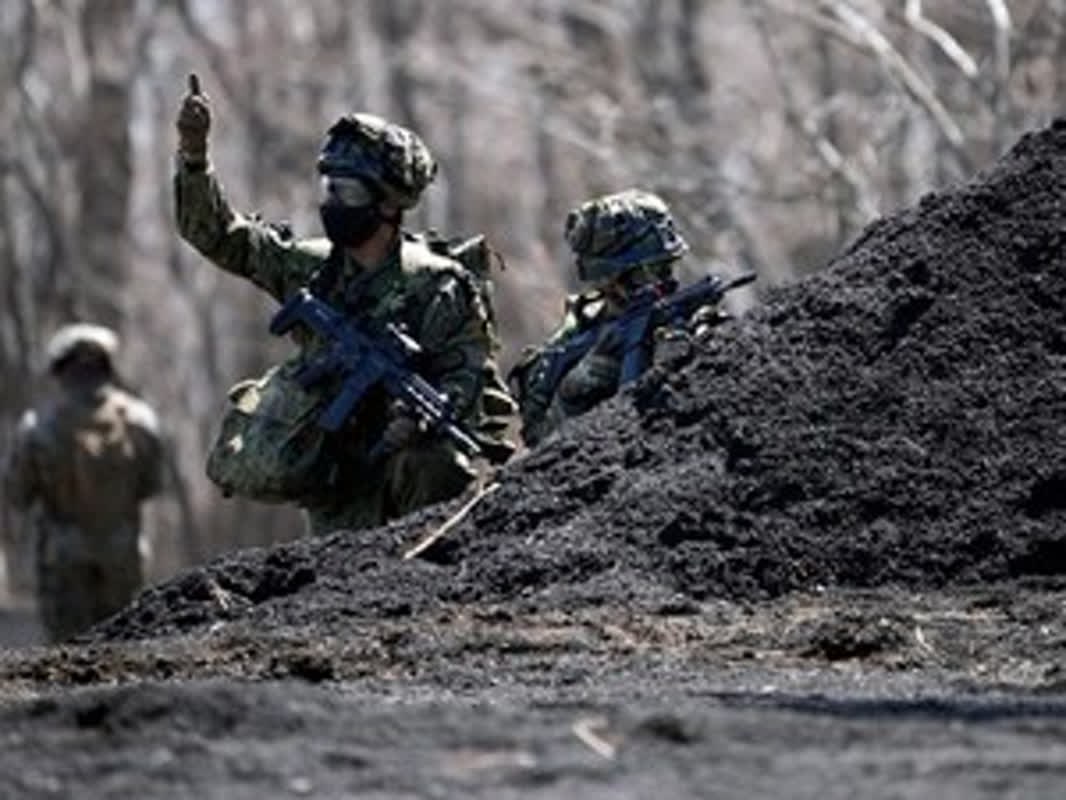
U.S. requests could include asking Japan’s Self-Defense Forces to escort commercial tankers through the Strait of Hormuz or to participate in mine-countermeasure operations.
The Asahi Shimbun has reported that Tokyo has begun reviewing contingency responses in case Washington requests support for military actions related to Iran.
Options under consideration, according to Asahi, include dispatching SDF patrol aircraft or air-to-air refueling tankers.
The core legal question is whether any SDF support would be justified under the doctrine of collective self-defense.
Collective self-defense allows a nation to act jointly if an ally or a closely affiliated country is attacked, even if the nation itself has not been directly attacked.
In 2015, under Prime Minister Shinzo Abe, Japan enacted security legislation that permits the exercise of collective self-defense.
At that time, Abe cited mine-clearing in the Strait of Hormuz as an example of an operation that could fall under scenarios threatening Japan’s survival.
But analysts note Japan currently holds roughly 250 days’ worth of petroleum reserves, so a short-term disruption in oil supplies is not generally viewed as an immediate existential crisis.
Chief Cabinet Secretary Minoru Kihara said on March 2 that he did not currently judge a blockade of the Strait of Hormuz to amount to a “survival-threatening” situation that would trigger collective self-defense.
Even if Tokyo stops short of declaring an existential emergency, officials could treat the situation as a “significant-impact” case short of that threshold and provide rear-area support such as refueling U.S. naval vessels.
A Japanese government official told the Yomiuri the administration wants to align basic assistance with Washington to preserve alliance deterrence, while avoiding deep operational involvement in the Iran issue.
#US #Trump #Iran #Israel #Japan #SDF #Deployment #USJapanSummit
Yonhap News TV — tips and story inquiries: KakaoTalk / LINE jebo23
Junheum Lee (humi@yna.co.kr)