![Flames rise from an oil storage site in Tehran after an Israeli airstrike on the 7th (local time). [Photo: AP/Yonhap]](https://contents-cdn.viewus.co.kr/image/2026/03/CP-2023-0070/image-bdf310a4-12d0-4831-8be0-e6afc2069a90.jpeg)
On the 13th (local time), the conflict with Iran sparked by U.S. and Israeli airstrikes entered its second week. Military clashes and hardline rhetoric have intensified on both sides as the warfront expands across the Middle East following sustained strikes on Iran’s key military sites.
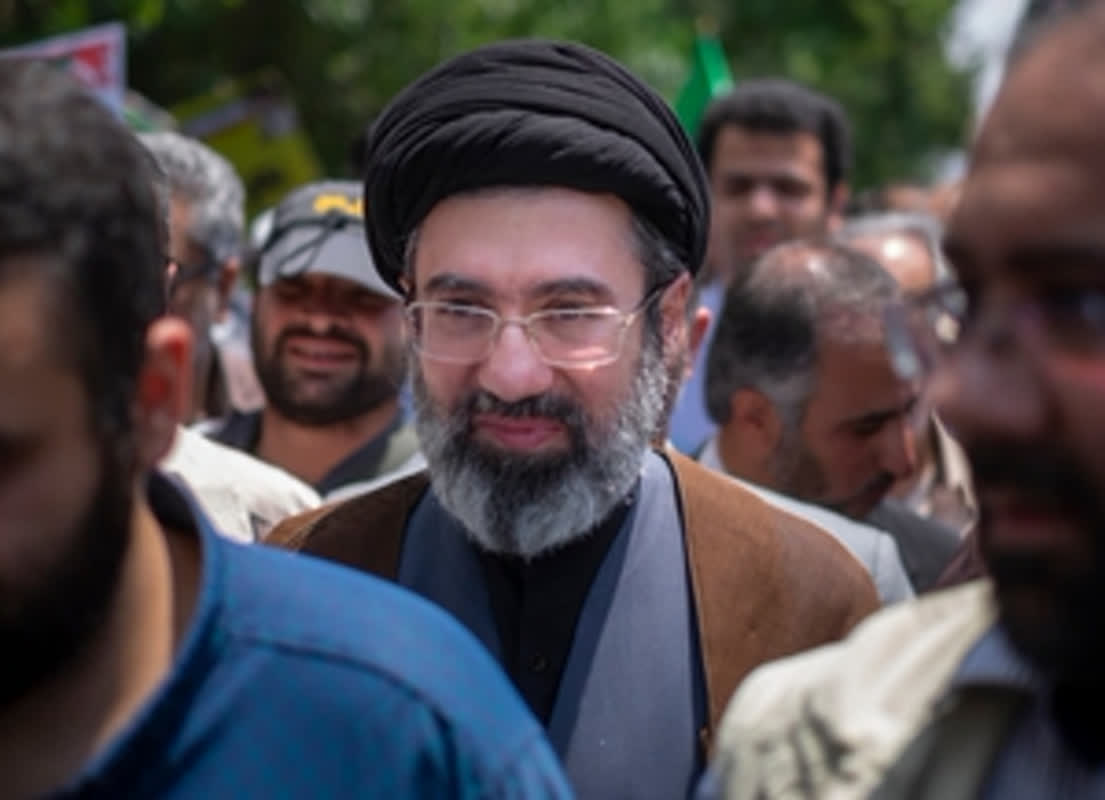
In his first official message, Iran’s new supreme leader, Ayatollah Sayyed Moztaba Khamenei, vowed a hardline response, saying he “will not avoid retaliation for the martyrdoms.” He also raised the prospect of closing the Strait of Hormuz and signaled an intent to use pressure on global oil markets as leverage.
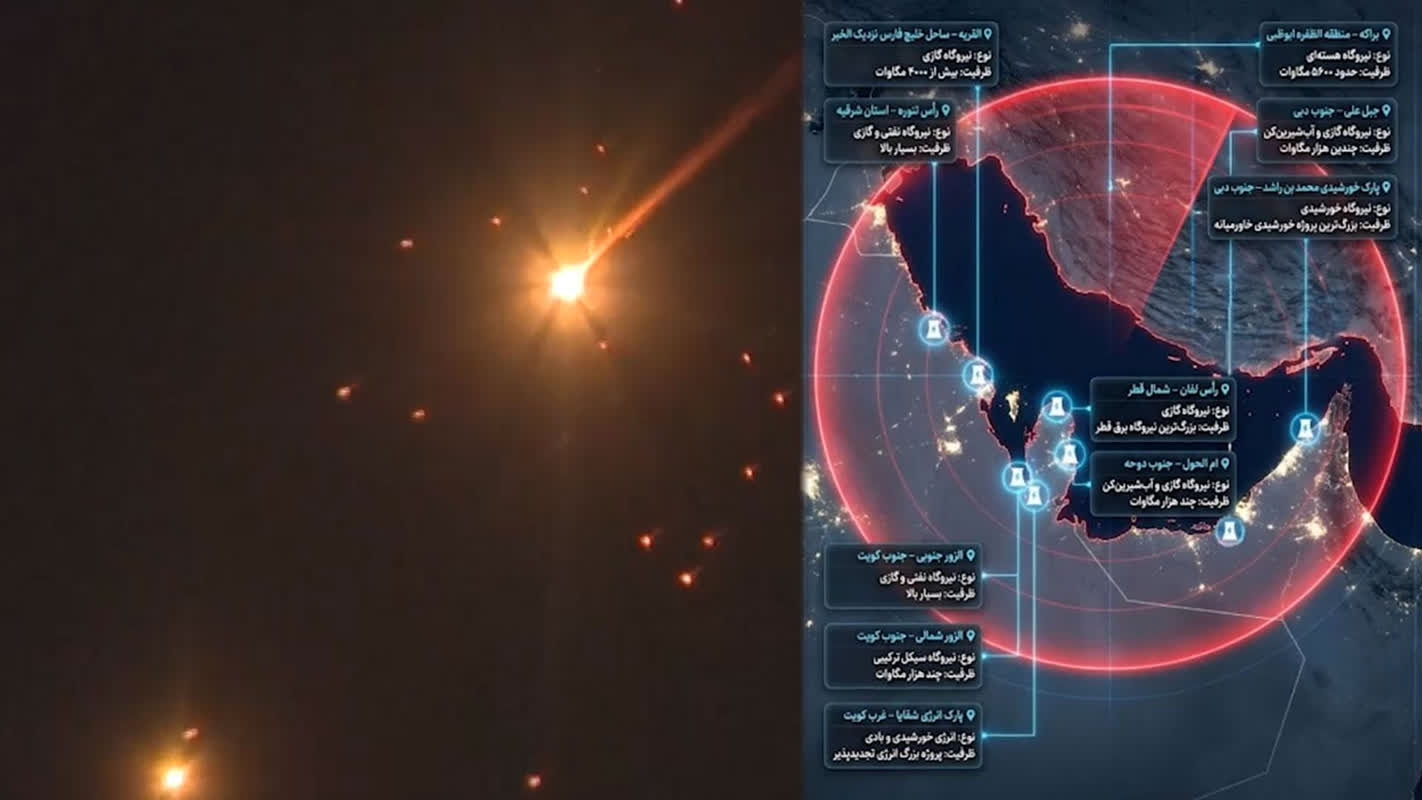
The Islamic Revolutionary Guard Corps (IRGC) warned that any attack on Iran’s energy infrastructure would be met by strikes on oil and gas facilities across the region. Attacks on tankers transiting the Strait of Hormuz and the Gulf have already surged, raising concerns about broader disruption to maritime traffic.
According to the U.K. Maritime Trade Operations center (UKMTO), in the early hours of the 12th two tankers in the northern Gulf, off Iraq’s coast, were struck by unidentified projectiles. Both ships caught fire; most of the crews were rescued, but one person reportedly died. Iran’s Fars news agency claimed one of the vessels was U.S.-owned and said the IRGC carried out the attack.
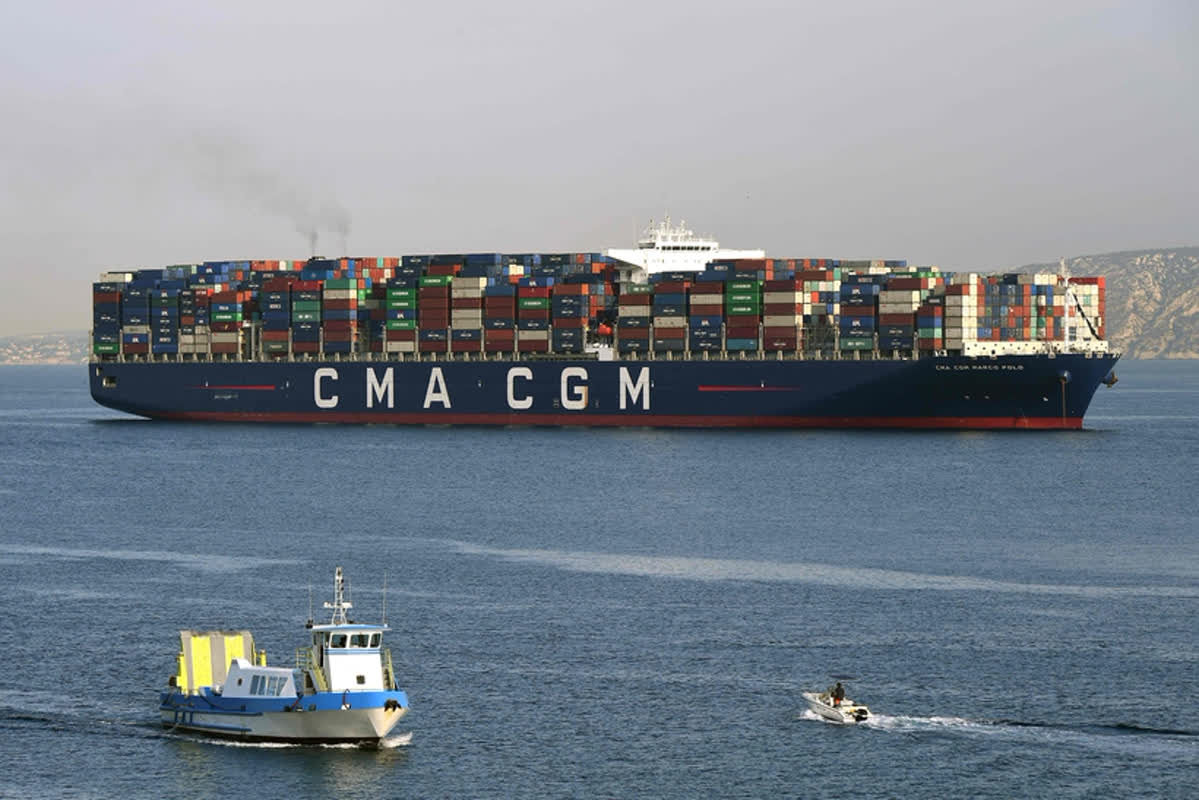
That same morning, a container ship off the United Arab Emirates coast near the Strait of Hormuz was also hit by a projectile. The New York Times, citing ship-tracking data, reported that at least 16 vessels in the Gulf have been attacked since the fighting began on Feb. 28.
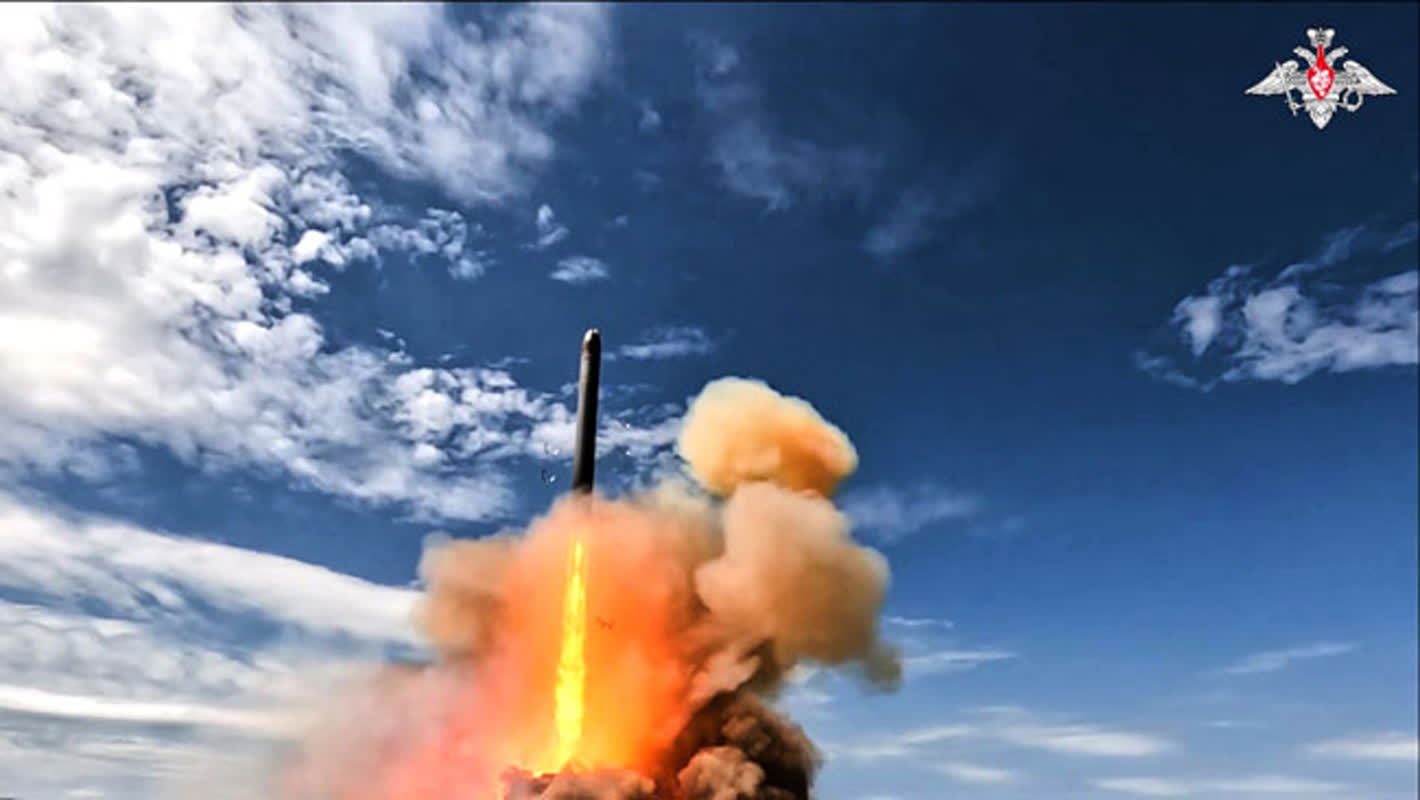
The U.S. and Israel have continued large-scale air operations against Iran. The Israeli military said it struck more than 200 targets in central and western Iran in the past 24 hours. Dozens of fighter jets reportedly focused on ballistic missile launchers, air-defense systems and weapons production facilities.
Military officials said the strikes aimed to degrade Iran’s ballistic missile production and its air-defense network. Facilities in Tehran, Shiraz and Ahvaz — including military compounds and IRGC headquarters — were among the primary targets.
In a press conference, Israeli Prime Minister Benjamin Netanyahu said, “We will help the Iranian people overthrow the theocratic regime,” signaling an escalated war aim that amounts to pressure for regime change. He also claimed Israeli strikes had killed key Iranian nuclear scientists and warned of further operations.
The U.S. has maintained a hard line. President Donald Trump posted on Truth Social, “We are destroying the terrorist regime in Iran militarily and economically. Watch what happens to them today.”
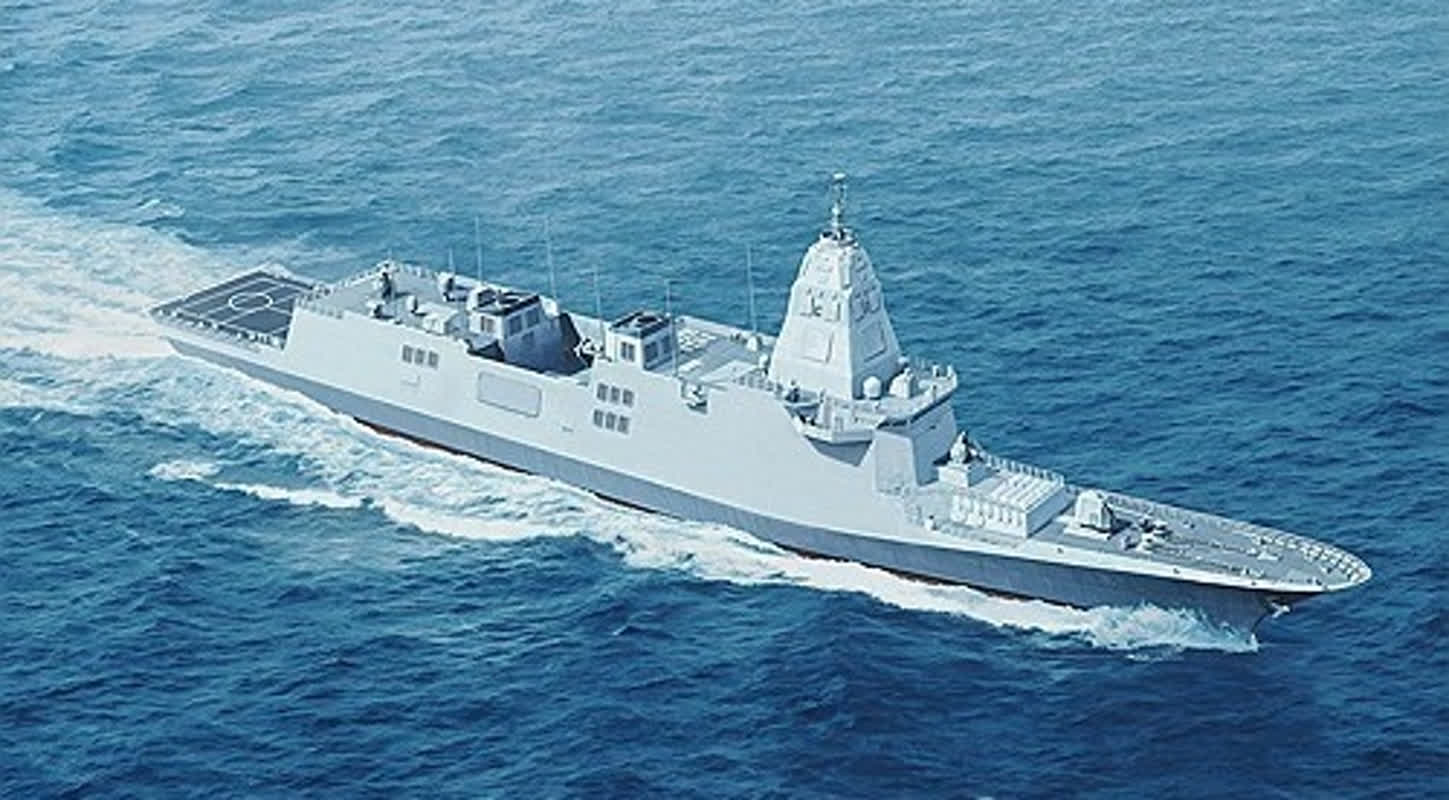
U.S. Central Command said U.S. and Israeli forces have struck roughly 6,000 targets inside Iran since the conflict began. It added that more than 90 vessels at sea — including minelayers and warships — have been damaged or destroyed.