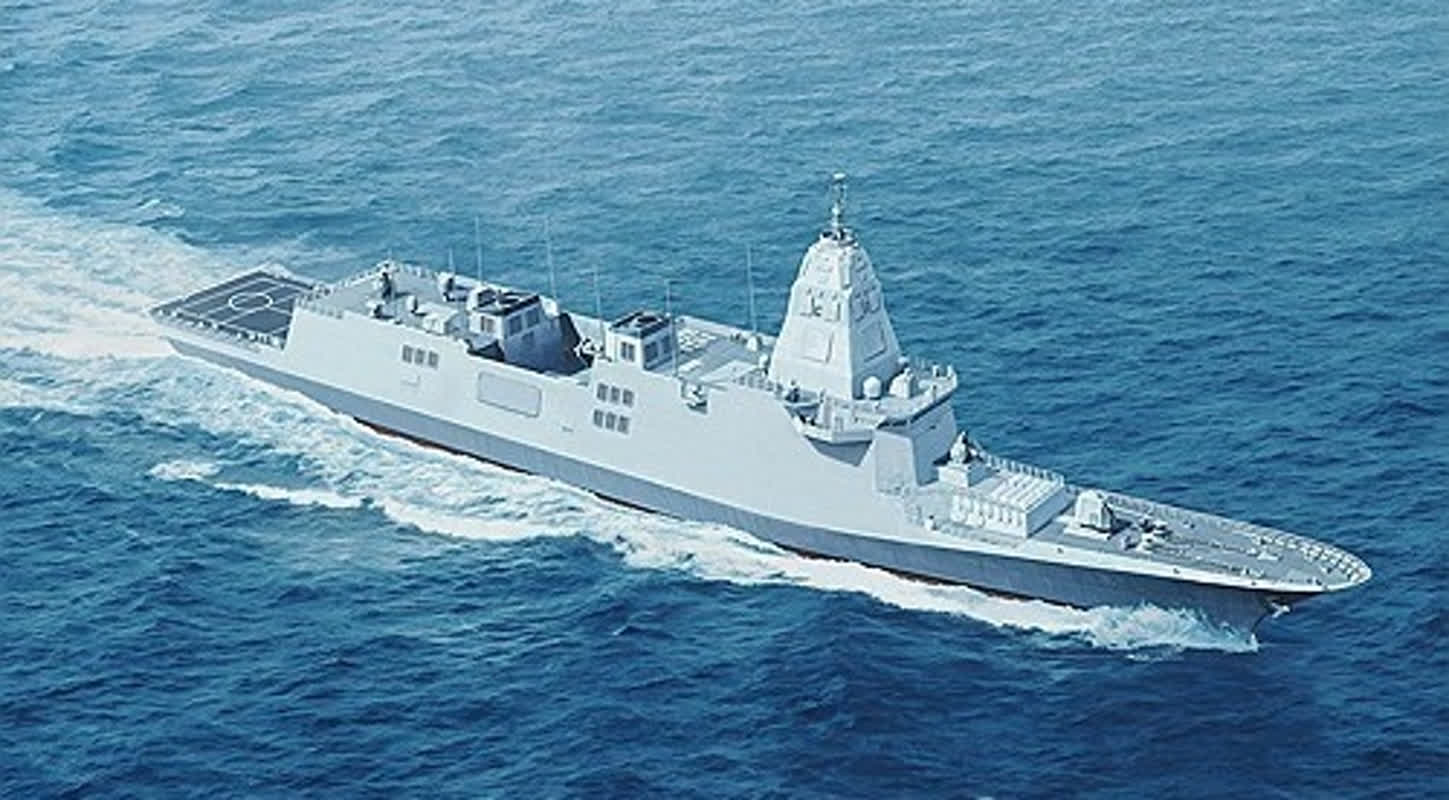
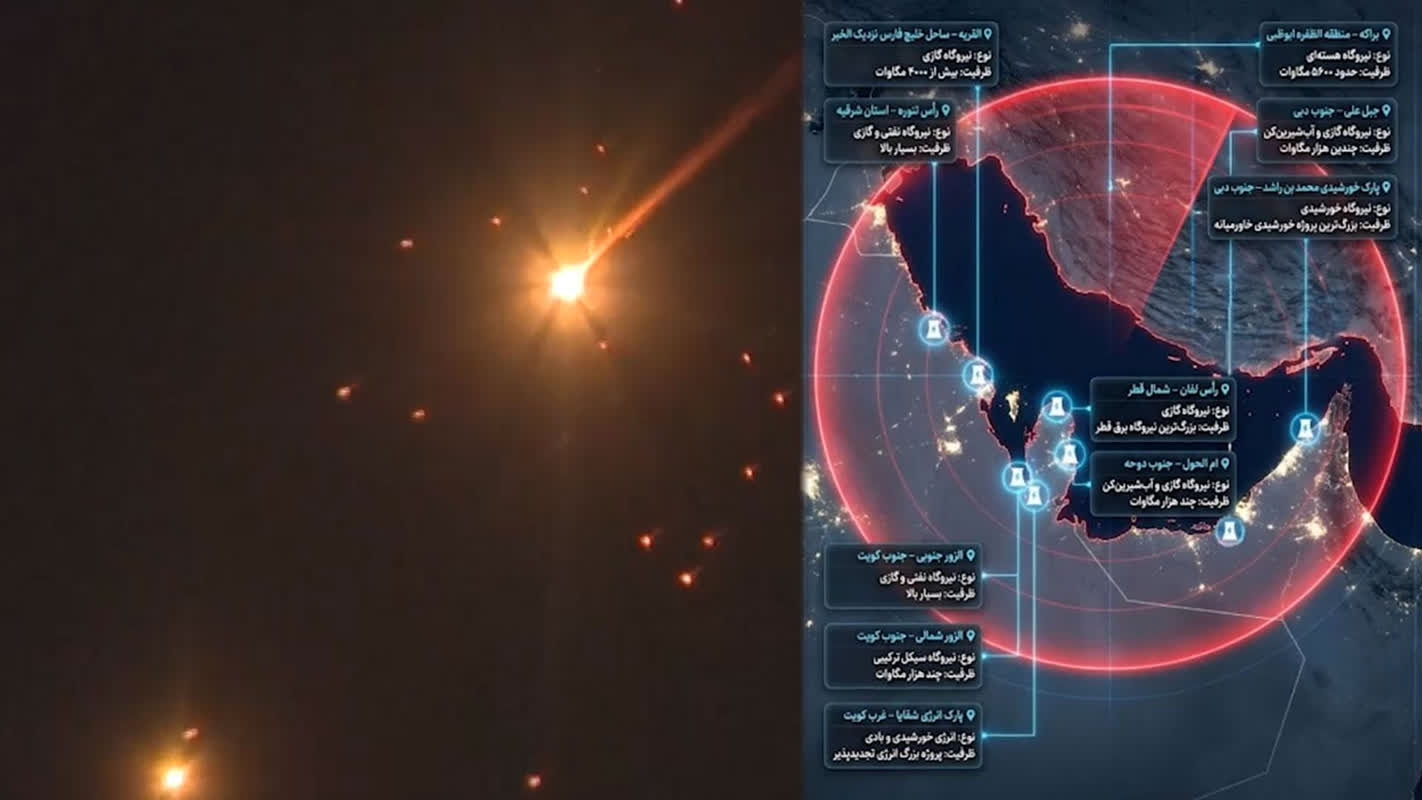
Thumbnail: Trump — Iran’s military? Combat-ineffective — U.S. forces still a threat ===== Title [More News] ====== CBS News reported on April 22 that, contrary to the Trump administration’s public claims that it had effectively destroyed Iran’s military capability, U.S. officials say Iran still retains a substantial level of force. Three U.S. government officials familiar with the intelligence told CBS that when the ceasefire began on April 8, roughly half of Iran’s ballistic missile inventory and associated launch systems remained intact. They also said the Islamic Revolutionary Guard Corps’ naval component has preserved about 60% of its forces, including fast-attack craft. Iran’s air force sustained significant damage, but roughly two-thirds of its overall capability remains operational. Those assessments conflict with President Trump’s and Defense Secretary Pete Hegses’ public statements that strikes by the U.S. and Israel had effectively destroyed Iran’s military capability. On April 21, President Trump said, “We eliminated their navy, air force and leadership.” At an April 8 briefing, Secretary Hegses hailed what he called “Operation Magnificent Fury,” calling it a historic victory that decimated Iran’s forces and would render them combat-ineffective for years. U.S. intelligence officials say the strikes were concentrated mainly on Iran’s regular navy, leaving the IRGC navy’s small asymmetric vessels largely intact. Those craft continue to pose a threat to shipping in the Strait of Hormuz. Marine Corps Maj. Gen. James Adams, director of the Defense Intelligence Agency, warned in a written response to the House Armed Services Committee’s Intelligence and Special Operations Subcommittee that, despite reduced capabilities, Iran still possesses thousands of missiles and one-way attack UAVs (suicide drones) able to threaten U.S. forces and partner nations in the region. When asked for comment on this report, Defense Department spokesman Sean Parnell said the campaign has been successful and that U.S. forces struck more than 13,000 Iranian targets. He said, “In under 40 days, U.S. forces dealt a crippling blow to the Iranian regime,” and claimed that 92% of Iran’s large naval vessels and about 44 mine-laying ships were destroyed. Parnell added that the scale of destruction inflicted on a single nation’s navy over three weeks was the largest since World War II. Reporter: Yerin Kim Audio: AI dubbing Produced by: Jinkyun Lee #USA #Iran #Israel #Trump #IRGC #Navy #Destruction #Combat-ineffective #Missiles #Drones Yonhap News TV — For tips and inquiries: KakaoTalk/LINE jebo23, Lee Jun-heum (humi@yna.co.kr)
Is Iran's Military Still a Threat? U.S. Intelligence Reveals Surprising Facts
Lee Jun-heum | 2026.04.24
Thumbnail: Trump — Iran’s military? Combat-ineffective — U.S. forces still a threat ===== Title [More News] ====== CBS News reported on April 22 that, contrary to the Trump administration’s public claims that it had effectively destroyed Iran’s military capability, U.S. officials say Iran still retains a substantial level of force. Three U.S. government officials familiar with the intelligence told CBS that when the ceasefire began on April 8, roughly half of Iran’s ballistic missile inventory and associated launch systems remained intact. They also said the Islamic Revolutionary Guard Corps’ naval component has preserved about 60% of its forces, including fast-attack craft. Iran’s air force sustained significant damage, but roughly two-thirds of its overall capability remains operational. Those assessments conflict with President Trump’s and Defense Secretary Pete Hegses’ public statements that strikes by the U.S. and Israel had effectively destroyed Iran’s military capability. On April 21, President Trump said, “We eliminated their navy, air force and leadership.” At an April 8 briefing, Secretary Hegses hailed what he called “Operation Magnificent Fury,” calling it a historic victory that decimated Iran’s forces and would render them combat-ineffective for years. U.S. intelligence officials say the strikes were concentrated mainly on Iran’s regular navy, leaving the IRGC navy’s small asymmetric vessels largely intact. Those craft continue to pose a threat to shipping in the Strait of Hormuz. Marine Corps Maj. Gen. James Adams, director of the Defense Intelligence Agency, warned in a written response to the House Armed Services Committee’s Intelligence and Special Operations Subcommittee that, despite reduced capabilities, Iran still possesses thousands of missiles and one-way attack UAVs (suicide drones) able to threaten U.S. forces and partner nations in the region. When asked for comment on this report, Defense Department spokesman Sean Parnell said the campaign has been successful and that U.S. forces struck more than 13,000 Iranian targets. He said, “In under 40 days, U.S. forces dealt a crippling blow to the Iranian regime,” and claimed that 92% of Iran’s large naval vessels and about 44 mine-laying ships were destroyed. Parnell added that the scale of destruction inflicted on a single nation’s navy over three weeks was the largest since World War II. Reporter: Yerin Kim Audio: AI dubbing Produced by: Jinkyun Lee #USA #Iran #Israel #Trump #IRGC #Navy #Destruction #Combat-ineffective #Missiles #Drones Yonhap News TV — For tips and inquiries: KakaoTalk/LINE jebo23, Lee Jun-heum (humi@yna.co.kr)

Recommended Posts
Japan's Potential Deployment in Hormuz: What Happens if US-Iran War Ceases?

Iran Conflict: Will US Troops Secure Uranium Before Peace Talks?

Unraveling the Mystery: What Hit the HMM Cargo Ship in the Strait of Hormuz?

6 Injured in Abu Dhabi Missile Strike: Is the Gulf Region Safe?
Israel's Ground Offensive: What You Need to Know About the 98th Division's Target Operations in Southern Lebanon
Kabul Hospital Bombing: Taliban Claims 400 Dead in Alleged Pakistani Airstrike - What Really Happened?
Latest Popular Posts
Real-time TOP