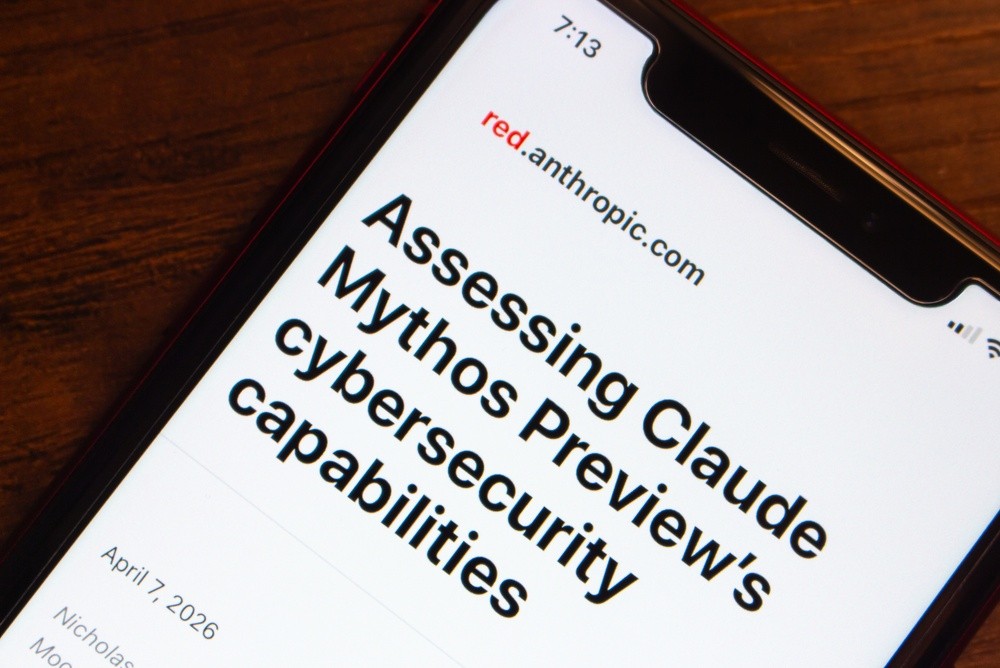
The White House has reportedly stepped in to limit Anthropic's plan to widen access to its Misos model.
The Wall Street Journal reported May 30 that Anthropic discussed a proposal with the U.S. government to grant Misos access to roughly 70 additional companies and institutions, increasing the user base from about 50 to roughly 120.
U.S. officials opposed the move, citing security concerns. Some warned that if Anthropic cannot secure sufficient computing capacity, government use of Misos could be disrupted. Misos is believed to demand far more computing power than other models.
Security specialists say Misos can identify software vulnerabilities and even assist in crafting exploits, a capability that has alarmed government agencies and private firms in recent weeks. For that reason, the White House has taken an active role overseeing how the model is distributed on national security grounds.
Officials publicly framed their objections as technical and security-related, but analysts say the decision underscores ongoing tensions between the White House and Anthropic.
The Trump administration previously moved to cut ties with Anthropic over disputes about how the Defense Department used its AI; those clashes have produced two ongoing lawsuits. Critics have also pointed to Anthropic’s connections with groups that back stricter AI regulation and to the number of Biden administration alumni at the company.
Recently, former Anthropic researcher Collin Burns was reportedly in line to head a government office that evaluates AI models, but the administration reversed course and appointed a different candidate.
Anthropic currently provides Misos on a limited basis to some operators of critical infrastructure, select institutions and certain government agencies, and it has no public release planned. The White House is reportedly considering expanding testing only within government.
Anthropic told reporters that talks with the government have been productive and that compute capacity is not an issue. Still, the company has reported shortages in computing resources. It has forged partnerships with major firms to expand infrastructure, but those upgrades will take time to come online.
Concerns heightened after reports that Misos may have been accessed without authorization. Industry experts warn that high-powered AI of this kind could find and weaponize large numbers of software bugs, lowering the threshold for cyberattacks.
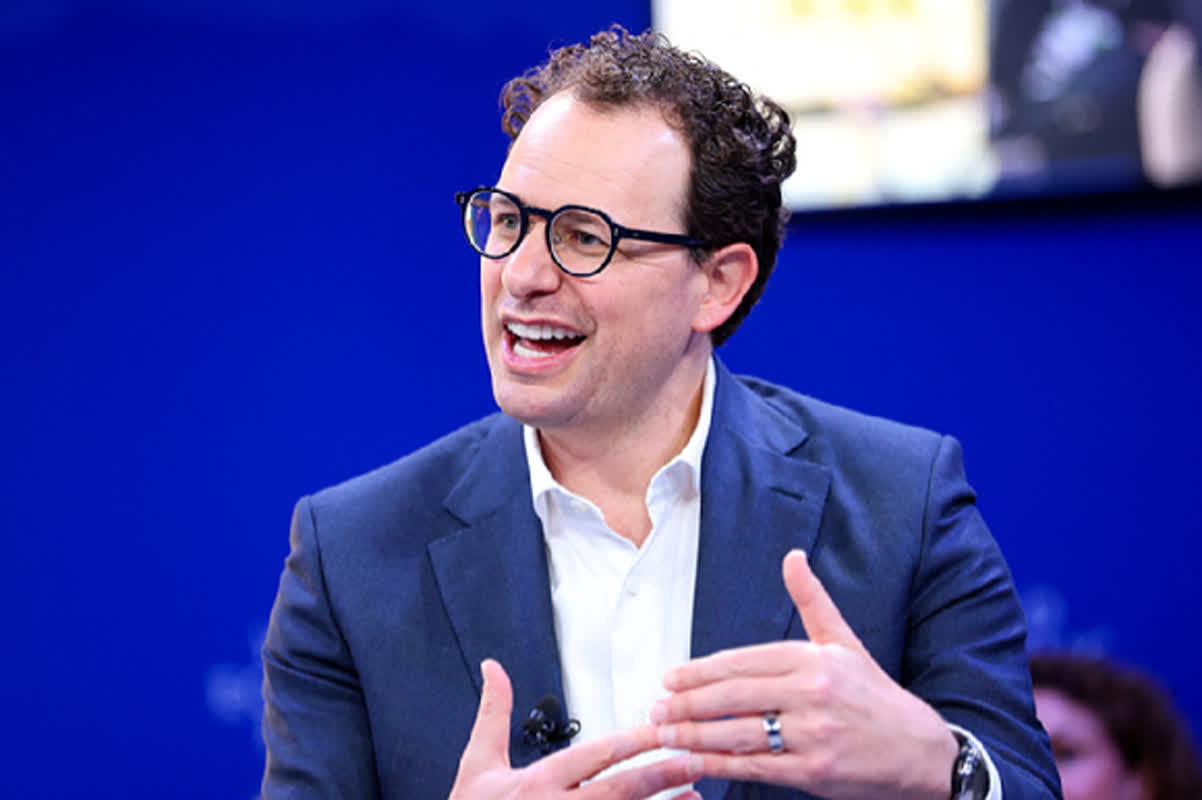
we're starting rollout of GPT-5.5-Cyber, a frontier cybersecurity model, to critical cyber defenders in the next few days.
— Sam Altman (@sama) April 30, 2026
we will work with the entire ecosystem and the government to figure out trusted access for cyber; we want to rapidly help secure companies/infrastructure.
OpenAI said it will begin rolling out a Misos-like model, GPT-5.5-Cyber, to core cyber defenders within days and is accepting access requests on its website.
Experts warn that a prolonged standoff between Anthropic and the government could hamper U.S. cybersecurity response. Dean Bol, a former AI adviser to the Trump administration, said it would be inefficient for both sides not to cooperate and that coordination is essential in critical areas such as cybersecurity.
Reporter Chan Park cpark@aitimes.com