 |
| Photo = KT Studio Genie |
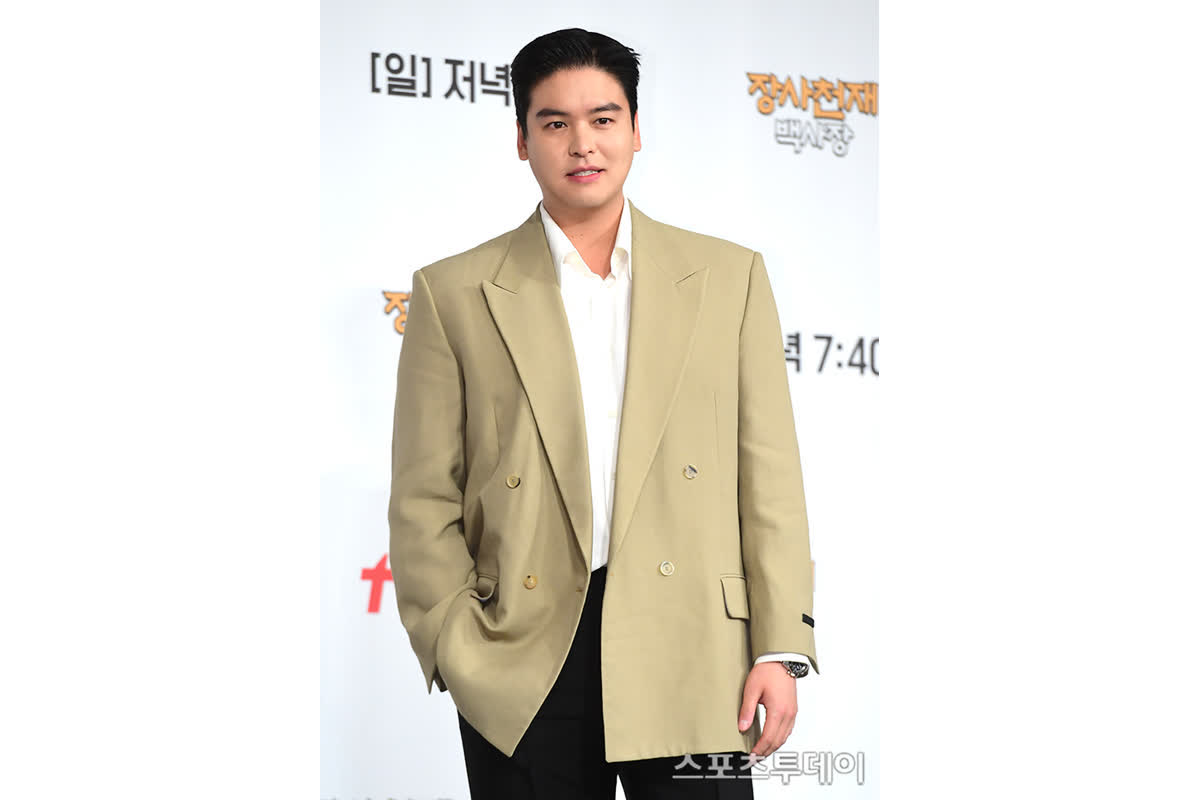
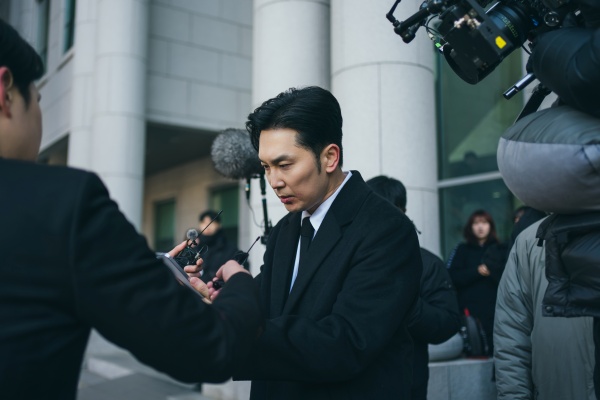
In Honor, which concluded on the 10th, Seo portrayed Park Jae-yeol, a man who hides a dark past and reinvents himself as a prosecutor. With each episode he sustained a taut sense of menace that propelled the story. Beneath a soft smile, Seo revealed a chilling core through precise control of tempo and intensity, prompting viewers to note that the show’s atmosphere shifted every time Park Jae-yeol appeared.
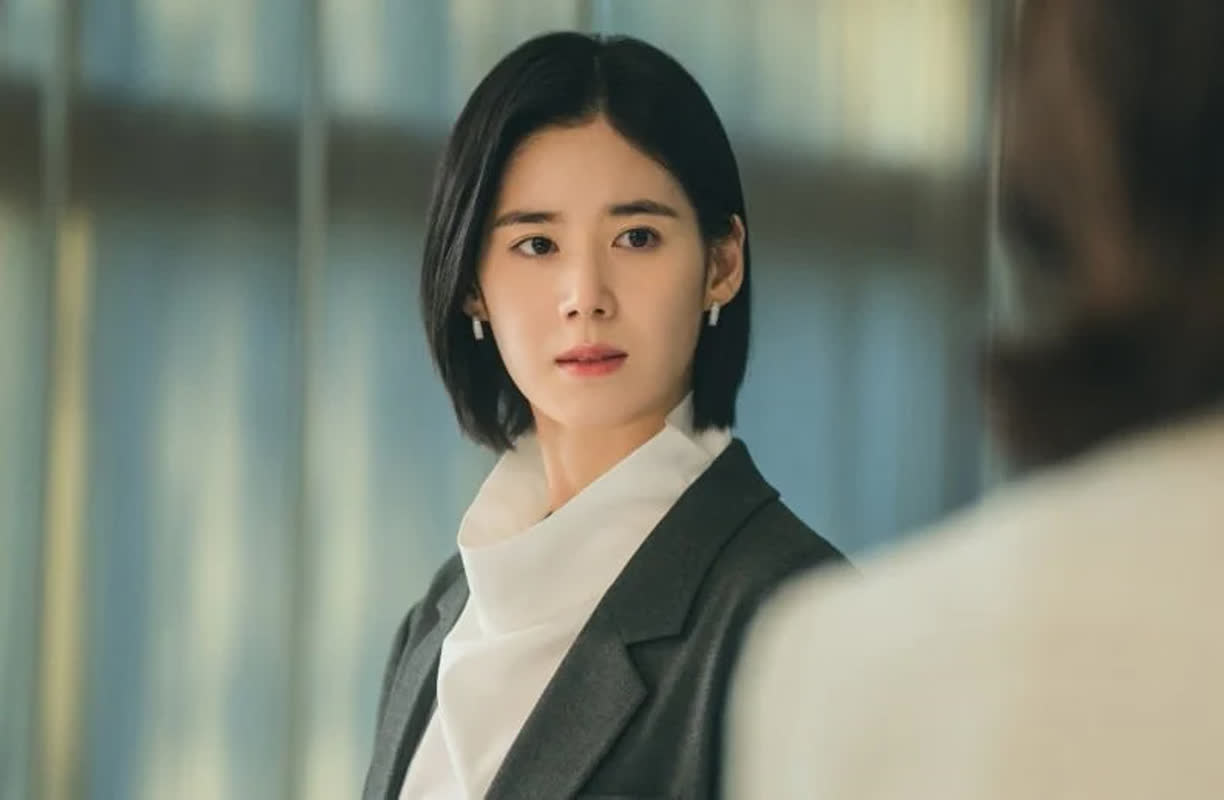
Seo stood out as he squared off against leading characters such as Yoon Ra-young (Lee Na-young), Kang Shin-jae (Jung Eun-chae) and Hwang Hyun-jin (Lee Chung-ah), exerting psychological pressure that unnerved his counterparts. Critics and viewers alike have hailed the role as another career-defining turn, further cementing his reputation as a master of genre work thanks to his nuanced portrayal of a character who straddles right and wrong.
To mark the finale, Seo offered a written Q&A through his agency, reflecting on his intense preparation for the role, gratitude for his co-stars, and a heartfelt message to viewers.
▲Below is the full Q&A with Seo Hyun-woo.
Q1. Many viewers said they felt breathless whenever Park Jae-yeol appeared. What acting details did you focus on to create that predator-like pressure that slowly tightens around the people he targets?
It may sound like a wordplay, but in many scenes I actually avoided a full exhale. A predator lures its prey, taking time rather than finishing the job immediately. I studied moments when Jae-yeol watches his target with a kind of relish, then strikes with the sharp lines he’s given. I worked on creating unpredictable rhythms and tempos so the audience—and his opponents—never know when he’ll act.
Q2. The premise—that a perpetrator from 20 years ago reinvents himself as a prosecutor—was shocking. How did you interpret the root of Park Jae-yeol’s malice, and how did you map the shift from deep inferiority to a hunger for power?
At heart, Jae-yeol has a powerful impulse to control and possess others. He convinces himself that Ra-young didn’t offer enough trust in their youth; he says he only wanted to test that trust and firmly believes he was the victim, not the perpetrator. The anxiety he felt when his openness wasn’t returned grew into wounded pride and inferiority. He came to think that only by gaining power could he control work and love. That distorted conviction, I felt, evolved into a perverted hunger for control and authority.
Q3. You’ve long been known as an actor who can completely transform. Although Nam Doo-heon from your previous series The Fiery Priest 2 and Park Jae-yeol are both corrupt prosecutors, they feel worlds apart. Did you have a strategy to distinguish this role from your past work?
Both characters share a premise—a prosecutor without a powerful backer who resorts to illegal means to climb the ladder—but their cores differ. Nam Doo-heon let his inner turmoil bubble out, often with a comic edge. For Jae-yeol, I focused on subtle facial micro-expressions, controlled eye work, and irregular breathing. Visually, I went for a tighter, tailored suit to suggest self-control, in contrast to Nam Doo-heon’s loose-fit look. Think of it as the temperature difference between a cold strawberry smoothie and a warm cup of tea—communication versus blockade. That contrast was my main tool for differentiation.
Q4. Your scenes that corner other characters delivered historic levels of tension. Many required emotionally draining work, like gaslighting. How do you transition back to everyday life after shooting such chilling scenes?
For heavy, intense scenes I deliberately keep communication upbeat on set to lift everyone’s energy. For light, cheerful scenes, I actually dial my tension down and focus inward. I try to keep my emotional balance neutral, like a scale. It’s a personal method I use to protect my mental health while working on demanding material.
Q5. Your confrontations with Lee Na-young, Jung Eun-chae and Lee Chung-ah were standout. What was the on-set energy like with those actresses, and how did you sustain Park Jae-yeol’s intimidating tension during rehearsal and performance?
We didn’t maintain a constant oppressive energy on set. Instead, we loosened up with casual talk about things like how we were feeling or what we ate—like people before a party. Then, just before a take, we’d listen to the director’s notes and shift into a moment of intense focus—like bracing for a roller-coaster drop. That snap-to-attention allowed us to exchange and sustain the needed tension.
I’ve worked with Lee Na-young three times now, so there’s an underlying familiarity, but she always astonishes me by fully becoming Ra-young in the moment. Jung Eun-chae and Lee Chung-ah were collaborators I’d wanted to work with; their seasoned restraint helped keep the trio’s chemistry grounded without ever overplaying. Eun-hye Baek, who played the wife, anchored difficult emotional scenes with a strong presence—I'm grateful for that. Child actors Jeon So-young and Kim Tae-yeon kept the set bright and didn’t get swept away by heavy emotion; I admired and appreciated their steadiness.
Q6. You’re now hailed not just as a villain specialist but as a genre master. Would you consider a role that removes Park Jae-yeol’s chill—something clumsy or warmly ordinary? Any dream genres you’d like to try next?
After immersing myself in darker roles, I’m eager to try something buoyant. I’m drawn to small, everyday characters who are both touching and funny. A grounded, unpretentious romantic comedy sounds appealing. Having done several villains, my internal scale naturally leans toward lighter choices now.
Q7. You keep delivering career highlights, yet you’re known as a strict actor. Acting still feels like a difficult challenge for you. Now that Honor has wrapped, where do you think your acting career graph is right now?
The acting theories and techniques I’ve built since my debut feel solid, but I also want to break them down and rebuild. Acting situations are endlessly varied, and role details never stop. The more I work, the more I believe there’s no single master key for acting. I admire senior actors and find younger actors’ work inspiring too. It’s important to keep fundamentals intact while staying attuned to trends and the times. Today’s viewers have a sophisticated sense of visual language, so I want to stay grounded in everyday life while embracing steady change. I watch not so much whether the curve is up or down, but whether I’m moving in the right direction.
Q8. Finally, what are your thoughts on saying goodbye to Honor: Her Court? Any message for the viewers who sent both fierce anger and support to Park Jae-yeol?
Moving between heroes and villains is part of an actor’s calling. When I first met Park Jae-yeol, I felt moral hesitation as Seo Hyun-woo the person. Yet I found the courage to commit to the role because viewers watched, reacted, and supported the show. I’m deeply thankful to everyone who felt anger at Jae-yeol and, in doing so, supported Honor. I’ll work harder to repay that with better performances. Please stay healthy.
[Sports Today reporter Jeong Ye-won ent@stoo.com]
「가장 가까이 만나는, 가장 FunFun 한 뉴스 ⓒ 스포츠투데이」