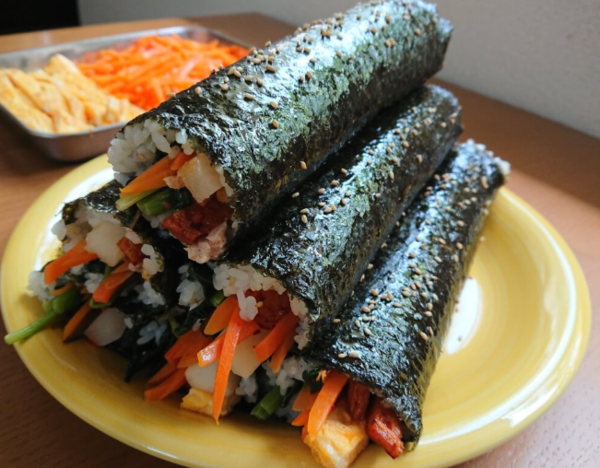
The secret behind top kimbap shops: the difference a pinch of sugar and a drop of vinegar makes.
At home, people usually season kimbap rice with just salt and sesame oil. But kimbap from specialty shops often tastes more savory, and the rice itself feels richer.
We made it the same—so why does it taste different?
Surprisingly, the difference comes down to two tiny additions: sugar and vinegar.
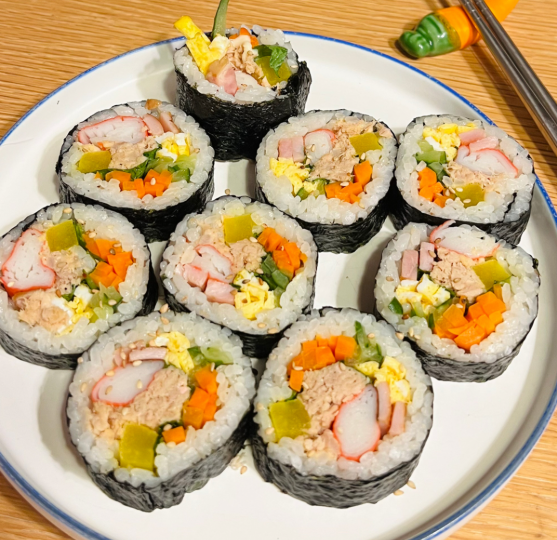
Sugar doesn’t make it sweet—you get more umami.
Adding a very small amount of sugar won’t register as sweetness. Instead, it evens out the flavors and lifts the savory notes. It creates another layer beyond the salty and nutty elements, so the rice tastes fuller and more rounded.
“It doesn’t taste sweet, but it’s better.”
That response comes from this subtle balance.
Vinegar trims the fat and gives a clean finish.
A tiny splash of vinegar adds a light tang that cuts through richness. Because kimbap uses so many fillings, it can feel heavy or greasy—vinegar helps tidy those flavors up, leaving a much cleaner aftertaste.
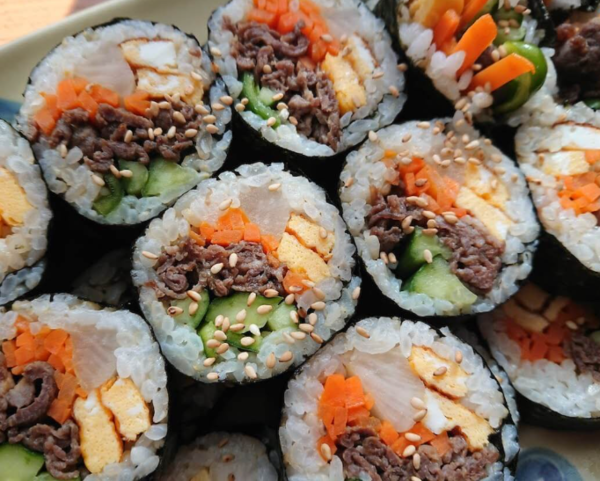
Why shop-made kimbap stays less soggy and keeps you reaching for another slice.
When sugar and vinegar work together, sweet, salty, and acidic notes fall into place and harmonize in the mouth. That combo is what makes you want to keep eating. It’s more than a rice seasoning—it's what elevates the whole roll.
They also affect the rice’s texture.
Vinegar helps keep the grains slightly firm. So even after some time, the rice doesn’t go mushy and keeps a pleasant chew. That’s one reason specialty shops get the rice texture right.
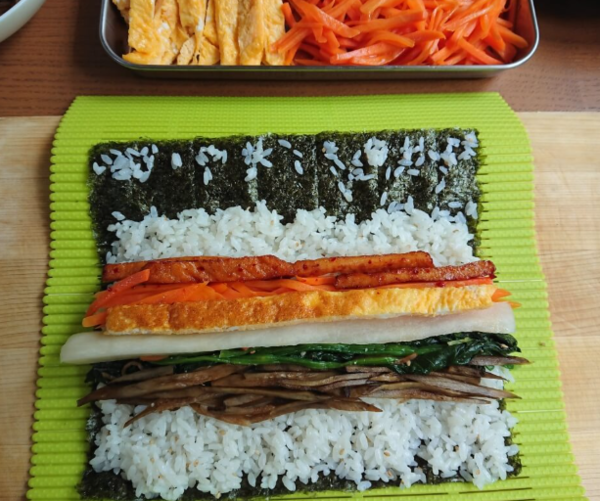
Changing the recipe really makes a noticeable difference.
A woman in her 30s said that after she added tiny amounts of sugar and vinegar to her usual method, her family told her, “Even though it’s homemade, it tastes like it came from a shop.” It’s a small tweak, but the result is unmistakable.
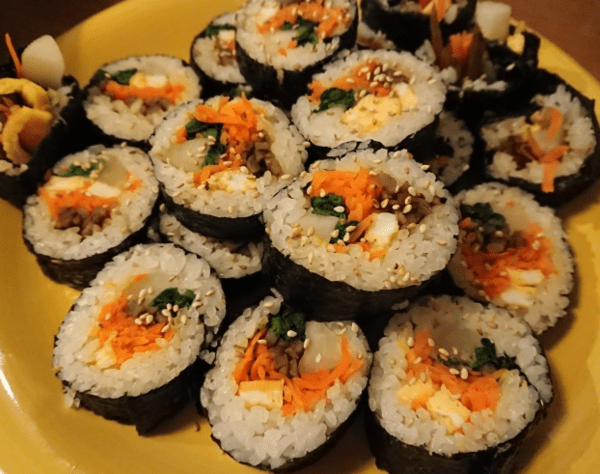
The ratio is the key: very small amounts.
For one bowl of rice, a tiny pinch of sugar and just a few drops of vinegar are enough. Add too much and it veers into sushi-rice territory, so aim for amounts that are nearly undetectable.
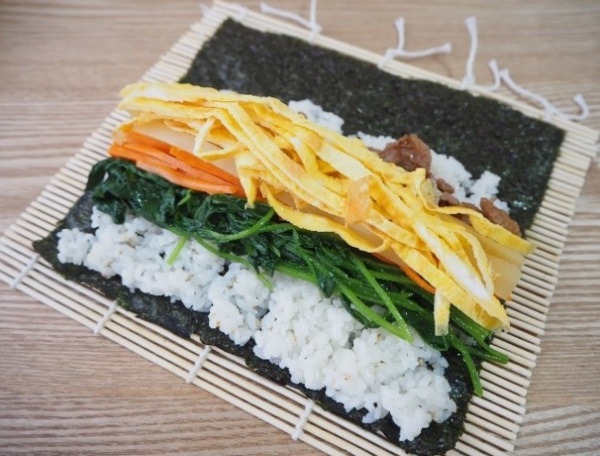
In the end, great kimbap is all about balance.
Sweet and acidic notes layered over salty and nutty flavors complete the overall profile. When that balance is right, the kimbap simply tastes better.
Small details make a shop great.
The difference might be invisible, but a tiny detail like this can separate homemade kimbap from a shop-quality roll.
If you make kimbap today, try this.
Give the rice a tiny pinch of sugar and a couple drops of vinegar—taste the difference and you’ll see why this trick works.