Dureup (aralia shoots), a quintessential spring green, is beloved for its fragrant, slightly bitter bite. Most people briefly blanch it in boiling water and dip it in chogochujang, but lately frying in oil has been stealing the spotlight.
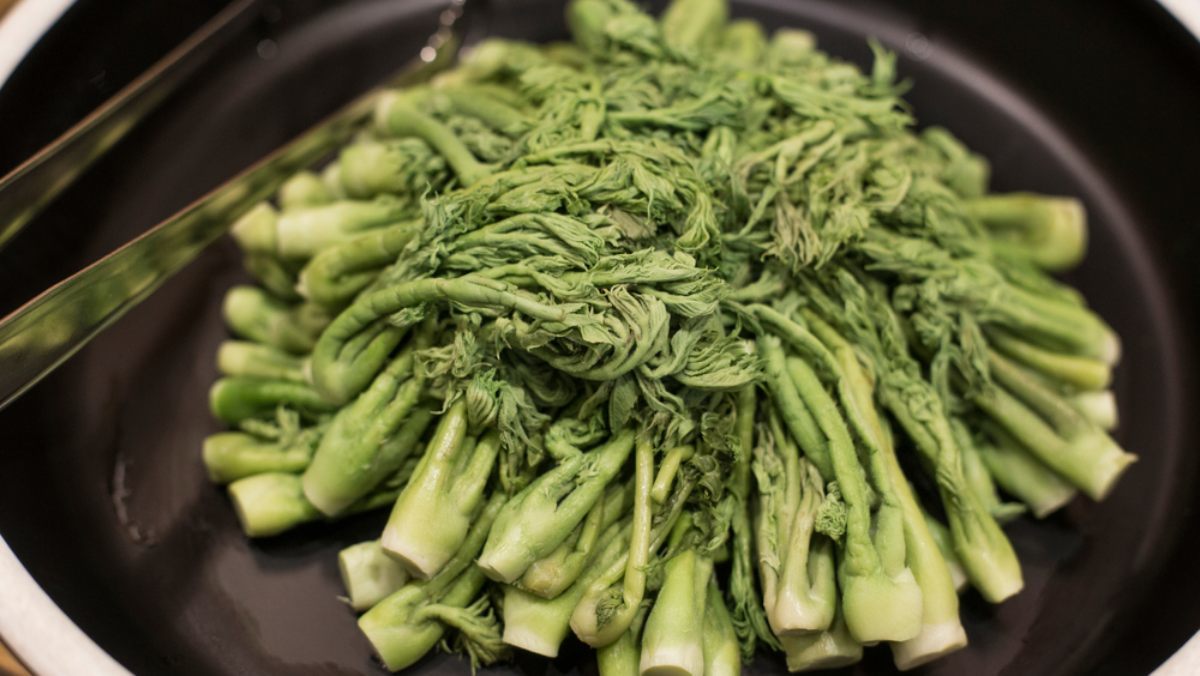
Frying tones down dureup’s bitterness and brings out a toasty, nutty flavor, making it approachable even for people who usually skip wild greens. Since dureup is only at its best for a short window between April and May, here are practical tips and cooking secrets to enjoy it at its tastiest.
1. Choosing and prepping the best dureup
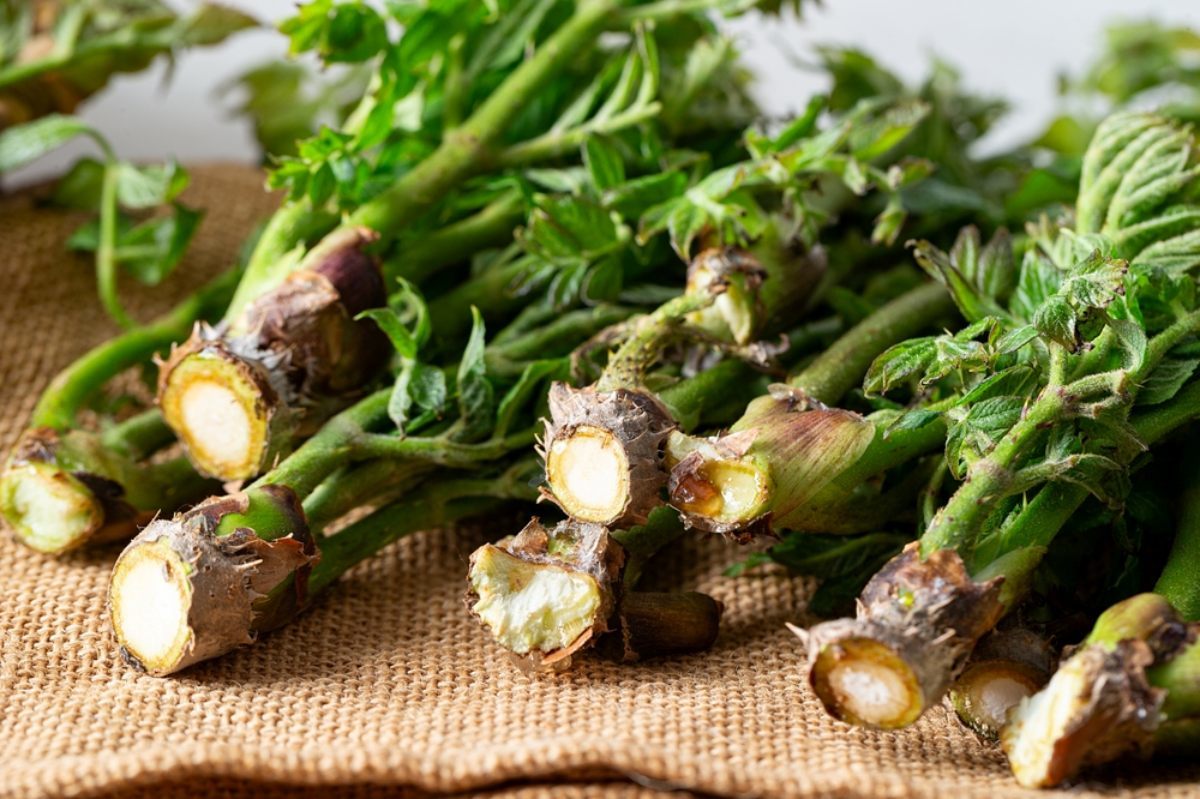
The quality of your fried dureup starts with your selection. Look for stems that are plump but not overly long. Shoots whose leaves remain closed like little buds will be more tender and aromatic than fully opened leaves. A fresh stem feels firm and springy when you press it; avoid oversized, tough shoots that can leave a woody core after frying.
Prepping is simple but precise. Peel away the papery, bark-like sheath at the base. Trim about 1–2 mm off the hard tip, then remove any tiny thorns along the stem by gently scraping with the back of a knife. Rinse the prepared shoots under running water to remove dirt.
The crucial step is drying. Any leftover moisture will make oil spit and will sog the batter. Drain the washed dureup in a colander, then pat it completely dry with a clean towel or paper towels, making sure to get between the leaves.
2. Why frying beats blanching
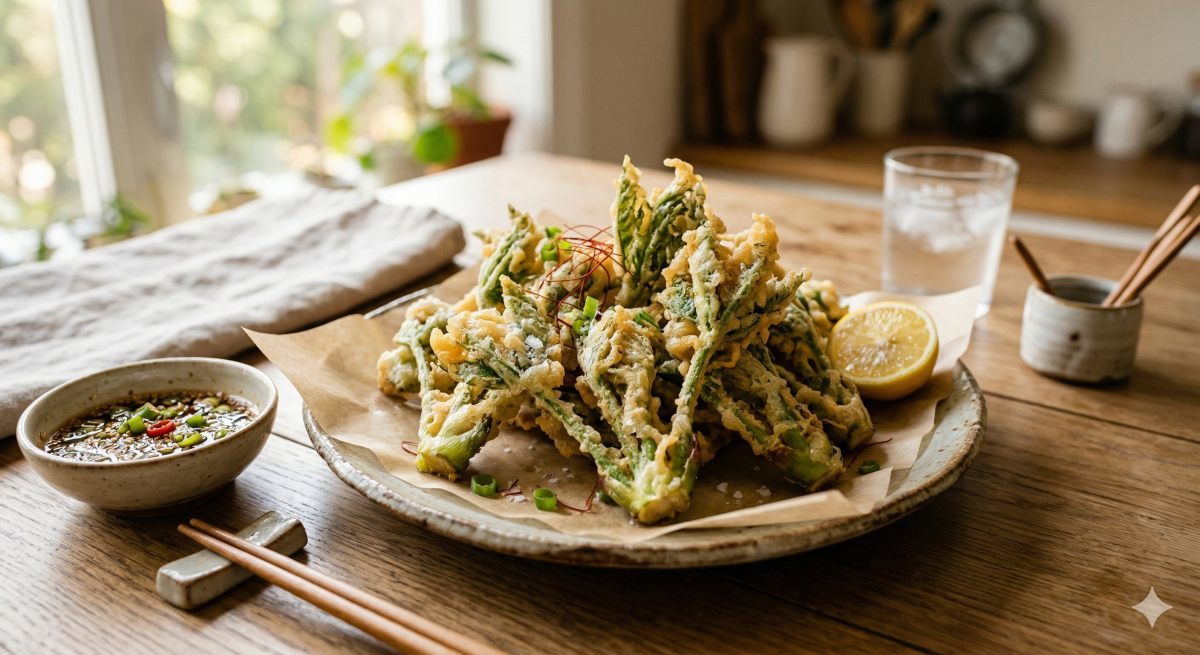
There’s a culinary reason to fry dureup rather than blanch it. The compounds that make it bitter can transform into pleasant, nutty notes when exposed to the high heat of oil. Boiling tends to leach these compounds into the water and mute the vegetable’s natural flavor, while frying instantly sears the surface and locks in juices and aroma.
Dureup also contains fiber and circulation-supporting nutrients. Cooking it in oil helps your body absorb those compounds and adds satisfying fat to a low-calorie vegetable, turning it into a heartier dish. The contrast between a crisp coating and a tender interior really showcases dureup’s texture.
3. Batter that stays crispy
Crispness makes or breaks fried food. A common mistake is overmixing the batter—stirring too long develops gluten and yields a dense, chewy coating.
First trick: use cold water. Make the batter with very cold water or even ice so the temperature contrast in the oil helps moisture evaporate quickly.
Second: don’t overwork the mix. Stir the batter lightly with chopsticks or a fork, leaving a few small lumps rather than making it perfectly smooth.
Third: double-coat. Lightly dust the entire shoot with dry tempura mix or flour before dipping it in batter. That dry layer helps the batter cling to the slippery surface.
4. Step-by-step cooking and precautions
Follow these steps for fail-safe dureup tempura.
Heat the oil: Pour enough oil into a pot and heat it to about 170–180°C (338–356°F). Drop a bit of batter in—if it briefly sinks then immediately rises, the oil is ready.
Coat: Dust the shoots with dry flour or tempura mix, then dip them into the cold batter. Spread the leaves so they don’t clump and the batter coats evenly.
Fry: Add pieces one at a time; don’t overcrowd the oil. Too many at once drops the temperature and makes the fritters greasy.
Remove: Dureup cooks fast. Remove when the batter turns golden and feels firm. Since leaves cook quicker, insert the stem into the oil first.
Drain and rest: Place the fried pieces on a wire rack to drain. If you stack them, trapped steam will make them soggy—spread them out so they stay crisp.
5. Sauces and serving ideas
Dureup tempura is delicious with just a pinch of salt, but a soy-based dip gives it a cleaner finish. Mix 2 tablespoons soy sauce, 1 tablespoon vinegar, and 1 tablespoon water; add red pepper flakes to taste. The vinegar’s acidity cuts through the oiliness.
They’re perfect as a snack or bar bite, and they also shine over rice as a donburi-style bowl. Drizzle a little seasoned soy over rice and top with freshly fried dureup for a satisfying one-bowl meal.
Daily personal horoscope report — what will your day be like?