The domestic dessert scene is changing fast. Just as the craze for Ddujjonku and butter tteok was beginning to cool, ube has arrived as the new star — and it’s bathing the dessert world in purple.
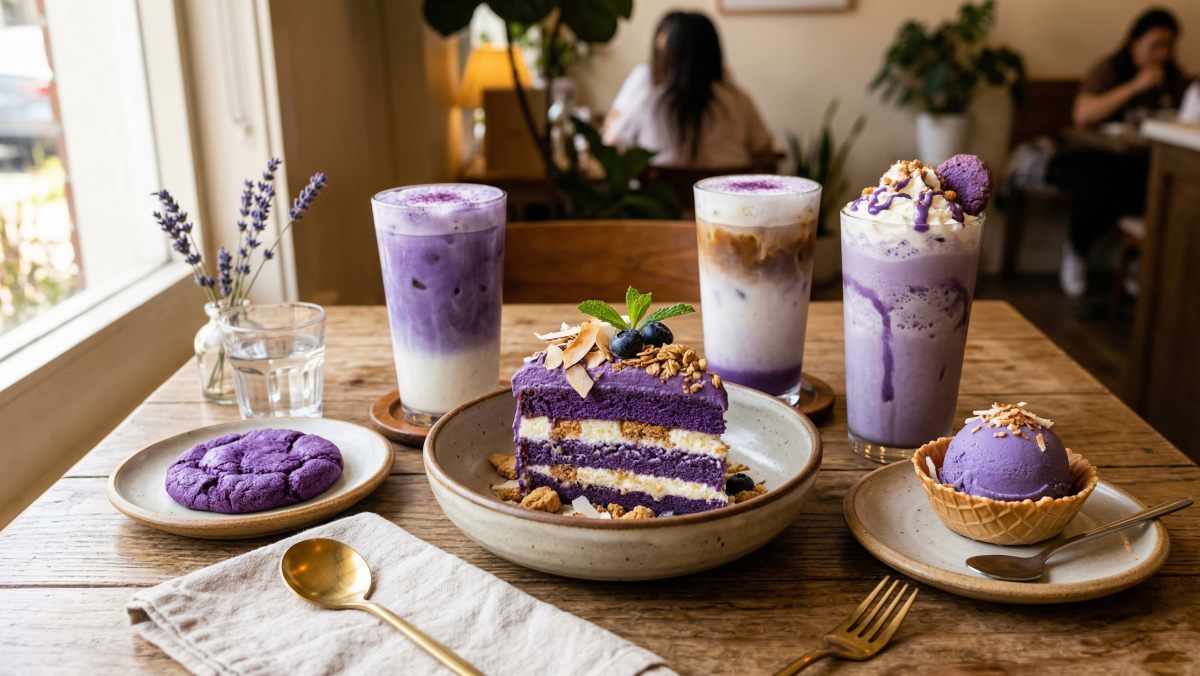
Ube — the Philippines’ purple treasure: what sets it apart from purple sweet potato?
Ube has long been a beloved ingredient across Southeast Asia, especially the Philippines. Visually it can look like purple sweet potato or taro, but botanically it’s a type of purple yam. With more consumers prioritizing health, ube’s nutrition profile has started to draw attention: it’s rich in anthocyanins, the antioxidants behind its vivid hue, and high in dietary fiber. Those qualities can support immune health and help you feel fuller longer.
On the palate, ube is just as appealing. It delivers a silky texture similar to sweet potato and a gentle, mellow sweetness that doesn’t overwhelm — making it universally approachable across ages and tastes. Those strengths have helped ube quickly emerge as the food-and-beverage market’s next breakout item, following the momentum of Ddujjonku and butter tteok.
Ube swept North America and Europe first… global brands have declared it a 'hot item'
The ube dessert trend actually started abroad. Its striking purple look made it an Instagram-ready visual, and that eye-catching color helped the trend go viral across social media.
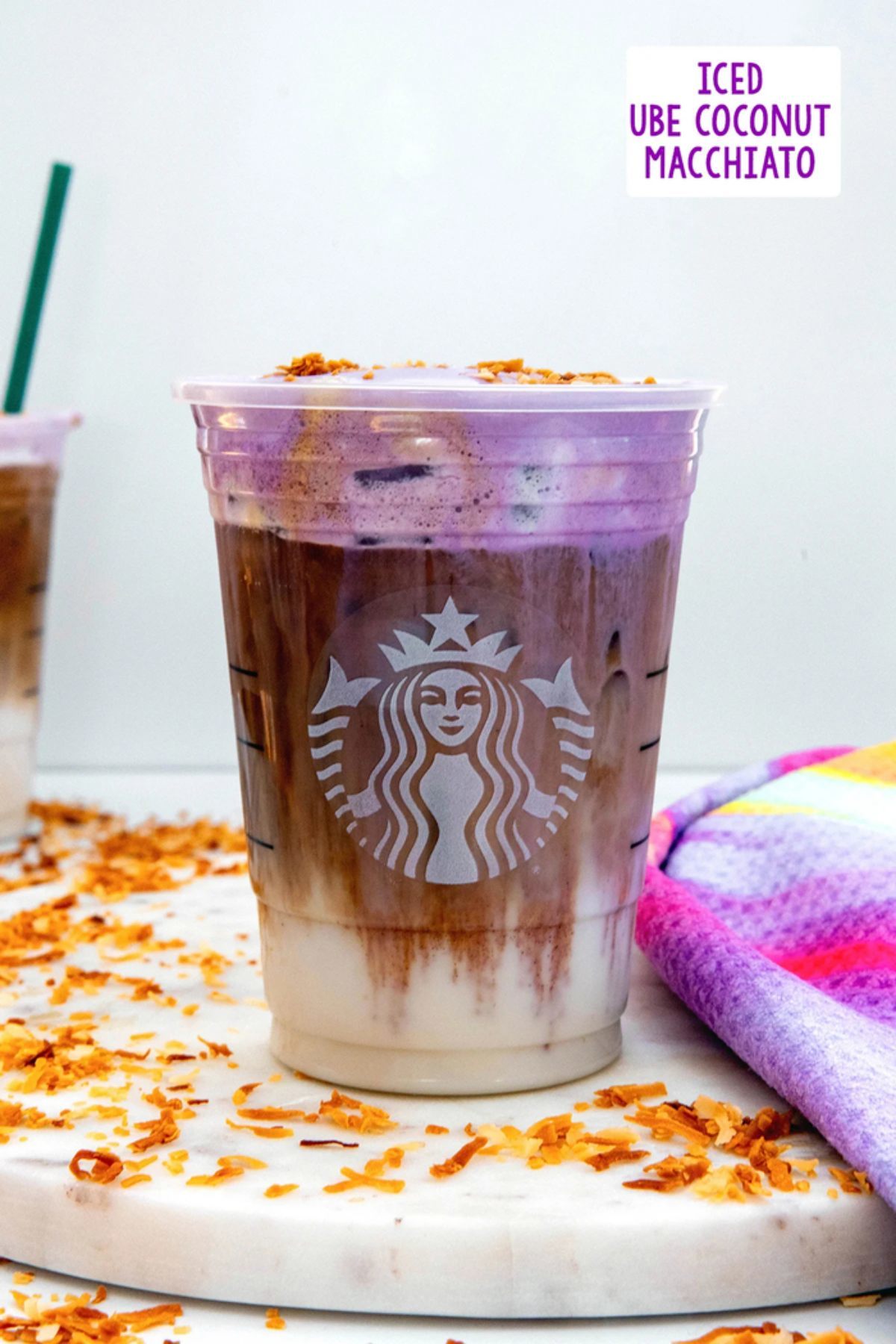
Global coffee chain Starbucks rolled out a limited-time “Ube Coconut Latte” in North America and Europe to strong response. Major U.S. grocer Trader Joe’s also moved quickly, introducing ube-flavored ice cream and staking an early position in the ube dessert market.
The power of purple — cultural synergy tied to BTS’s comeback
Ube’s rise has become more than a flavor fad; it’s turned into a cultural moment fueled by the visual language of purple. The recent comeback of global group BTS, long associated with the color purple, helped accelerate ube’s popularity.
Among fandoms, buying purple treats has itself become a way to celebrate and support artists, which naturally drives interest in and purchases of ube desserts. The fit between ube’s color and fandom symbolism has created potent marketing momentum.
Industry observers are watching closely to see whether ube will fade like past fads or secure a lasting place on menus. Optimists point to ube’s image as a “healthy dessert.” As the “Healthy Pleasure” trend — enjoying indulgences with wellness in mind — continues, ube’s combination of flavor and perceived health benefits could make it an enduring choice for consumers.
More than relying on a photogenic color, ube is proving its flavor and nutritional value. Companies are tracking consumer response and considering whether to move ube beyond seasonal offerings into permanent product lines.
Check your daily horoscope! How will your day go?