Once polarizing among foreigners, this iconic Korean street snack has staged a surprising comeback.

What used to throw people off — that signature chewy bite and fiery kick — has exploded on social media as a dare-style trend, drawing intense attention. The dish is tteokbokki. Long adored in Korea as a 'national snack,' it’s now staking a real claim on the global food scene.
Asia Economy reports that videos of people tasting and making tteokbokki are constantly surfacing on TikTok and other major social platforms. The hashtag '#tteokbokki challenge' is a standout: clips often show foreigners starting with a mild version and progressively moving up to extreme heat, and those escalation videos keep racking up views. It’s become less about simply eating and more about testing limits and sharing authentic reactions as entertainment.
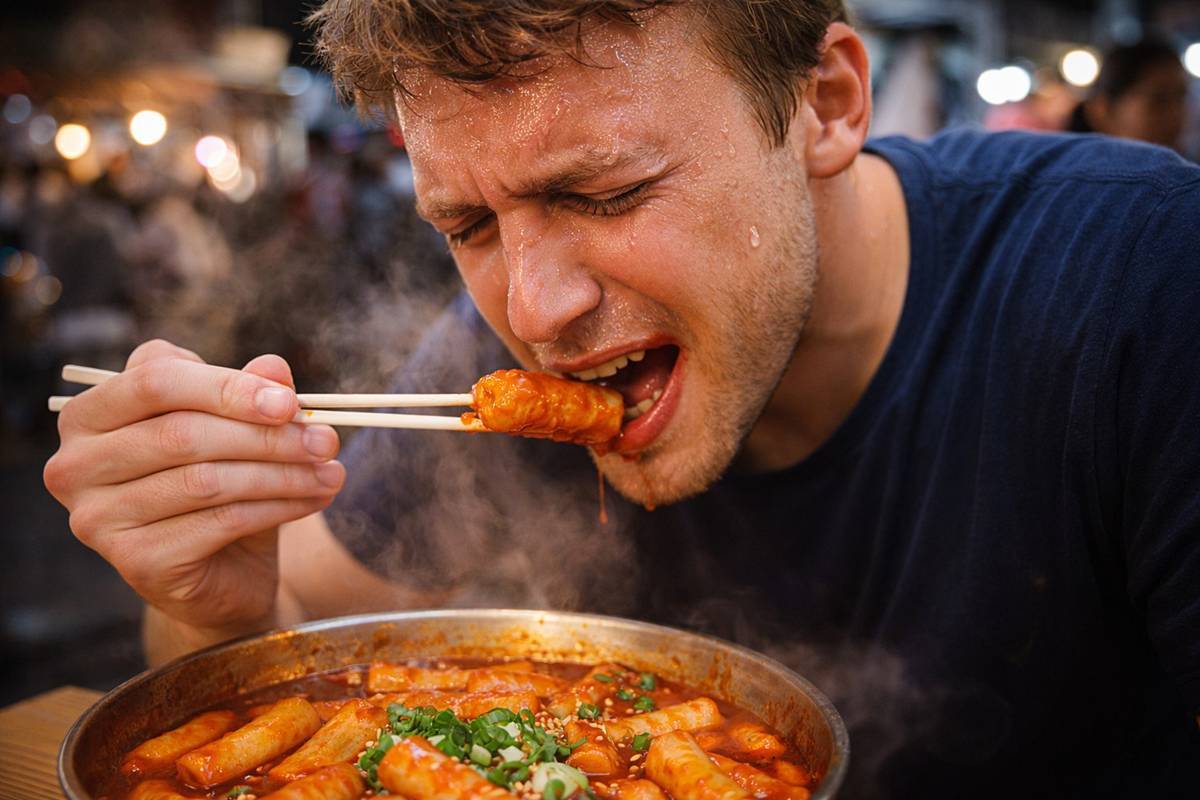
Those raw reactions — tears, sweat, stunned faces — only amplify the fascination. Viewers are hooked by people who, surprised by the spice, still push through to the last bite, or who pause at the rice cake’s unfamiliar chew and then go back for another taste. The mix of punchy flavors, candid responses, and snackable short videos has helped tteokbokki grow its presence across global social feeds.
What’s interesting is that tteokbokki wasn’t always warmly received overseas. The rice cake’s soft-yet-chewy texture divides people who aren’t used to it. Differences in spice tolerance across countries and the relatively short shelf life of rice cakes also posed practical barriers to global spread. Before interest in spicy Korean food surged, many doubted tteokbokki could break out internationally.
But the mood has clearly shifted. Fueled by the Hallyu wave and a growing global appetite for sweet-and-spicy flavors, interest in tteokbokki has spread quickly. Once considered strange or intimidating, it’s increasingly embraced as a bold, signature Korean street food. More than just a spicy snack, tteokbokki now symbolizes the addictive edge of K-food.
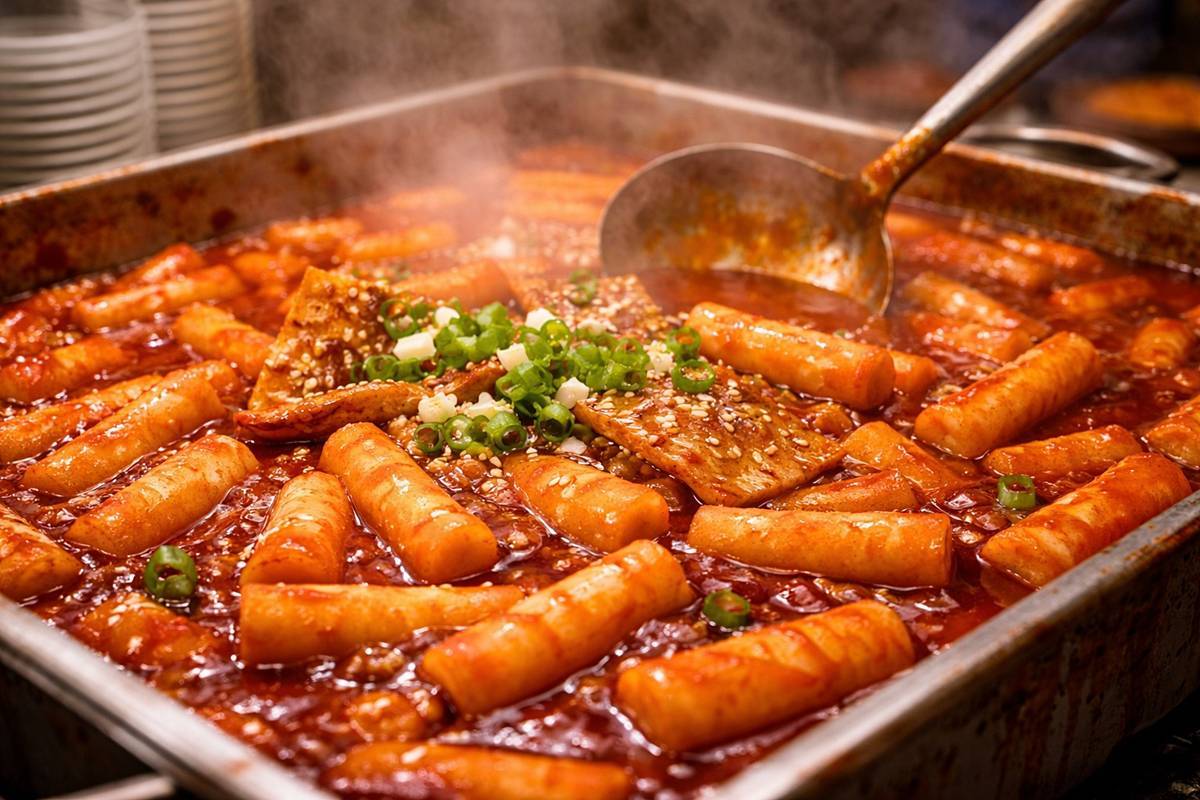
You can see the change reflected in export data. The Korea International Trade Association says exports of sauces — including gochujang, a core tteokbokki ingredient — expanded sharply last year. In the U.S., the recent sweet-and-spicy trend boosted demand for gochujang and for sauces used in tteokbokki and barbecue. As a result, total sauce exports rose 4.6% year-over-year to $411 million (approximately 548 billion KRW). That suggests tteokbokki’s popularity isn’t just viral buzz — it’s translating into real consumption.
Hallyu’s influence can’t be overlooked. Interest spiked after BTS member Jimin was photographed eating tteokbokki at a street stall in Seoul’s Dongdaemun Market in 2019, which made the dish more appealing to overseas fans. The image of a K-pop star enjoying street food nudged tteokbokki into the list of must-try Korean eats. That momentum dovetailed with January’s news that the Oxford English Dictionary officially added 'tteokbokki' as a new entry — a symbolic sign that the name is entering the global lexicon.
Global media have noticed too. Recently, National Geographic Traveler named tteokbokki and the sweet-and-spicy flavor profile among this year’s global food trends. The magazine noted that Korea’s cultural exports — from kimchi to K-pop — are enjoying huge popularity, and that the chewy, dense rice cakes of classic Korean street food have spread rapidly on social media, with BTS’s Jimin cited as an influence.
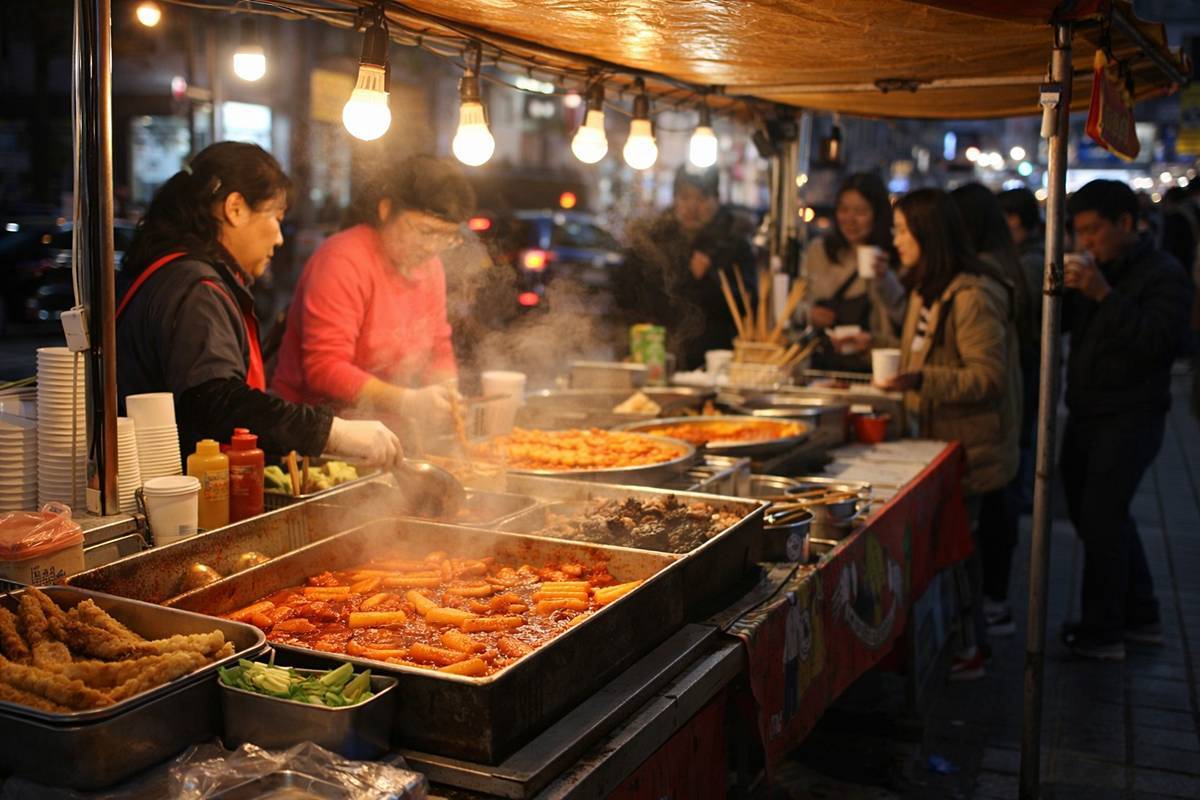
For Koreans, tteokbokki is more than a snack — it’s soul food. It’s woven into memories of school snack shops, shared plates with friends, and the familiar bustle of street vendors. Its addictive sweet-and-spicy flavor, low cost, and easy availability have made it a long-time favorite. From street carts to snack shops, franchises, and home kitchens, tteokbokki has become a cross-generational staple.
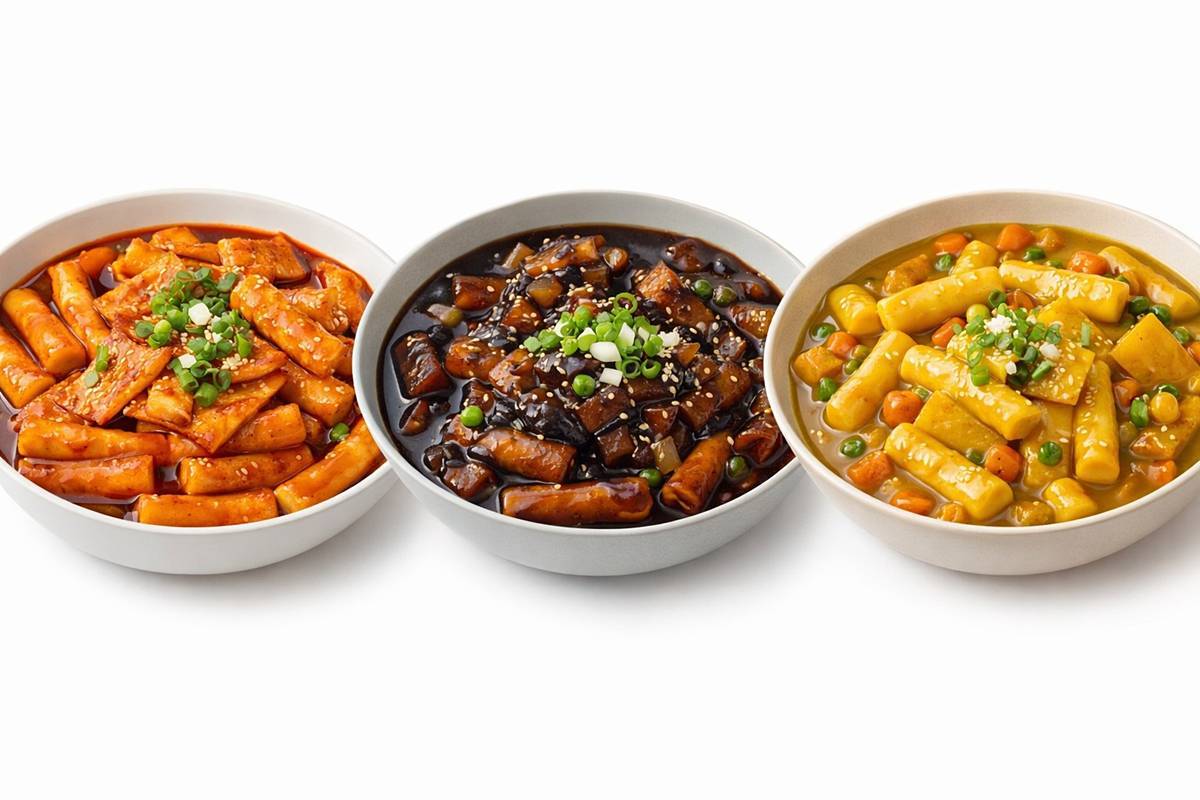
What’s also striking is how many forms tteokbokki now takes. Beyond the classic gochujang version, there’s gungjung (soy sauce) tteokbokki for a milder, savory taste; soupy varieties; jjajang tteokbokki with black bean sauce; creamy, cheese- or cream-based 'rose' tteokbokki; seafood versions with added shellfish and veggies; and ultra-spicy 'fire' tteokbokki. Its adaptability to changing tastes and audiences is a key part of its staying power.
In short, tteokbokki has moved from a texture that once split opinions to a rapidly rising global street-food ambassador for Korea. Social media challenges sparked curiosity, which has turned into real sales and export growth, and the tie-in with Hallyu content has amplified its reach. What once felt foreign and intense is now part of the dish’s charm — the very reason this once-divisive snack now leads an unexpected Korean food craze overseas.
Your daily personal horoscope report! How will your day go?