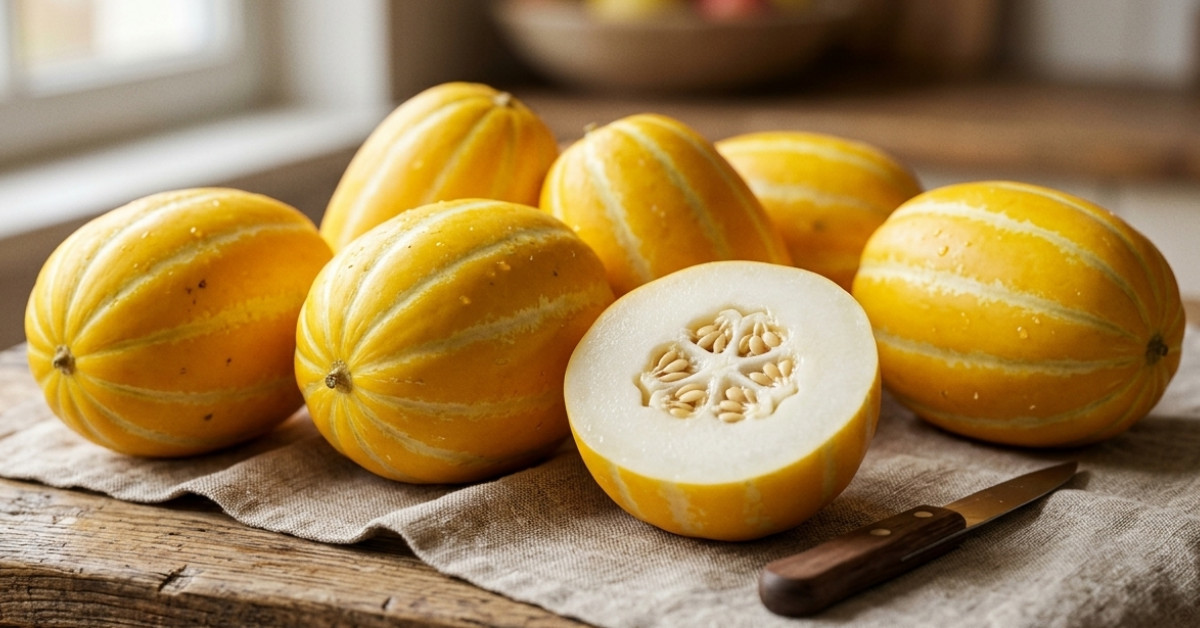
Thanks to smarter greenhouse techniques and warmer seasons, growers in major production areas—like Seongju—are bringing Korean melon (chamoe) to market much earlier than before. What used to be a midsummer-only treat now arrives as early as March. With its powerhouse hydration and natural detox benefits, chamoe is being rediscovered as a must-have functional fruit for modern lifestyles.
When Korean melon is in season
Chamoe is a member of the gourd family that loves heat and humidity. Under traditional open-field farming, peak harvests fell between June and August, when the sun helps the fruit build its natural sweetness. But modern agrotechnology has shifted that timeline. In top-producing regions such as Seongju County, growers now sow in December and can bring the first fruits to market by late February.
That’s largely thanks to smart-farm systems that precisely control temperature and humidity inside greenhouses, reducing the influence of outside weather and delivering more consistent quality. Melons shipped from March through May ripen slowly amid bigger day–night temperature swings, which firms the flesh and concentrates sugars. That’s why many consumers now swear by “spring chamoe.” Rising average temperatures have also pushed the crop’s growing limits northward, helping to speed up the market cycle. Even with a flood of imported fruit, homegrown chamoe keeps its edge by arriving earlier and dominating the fresh supply.
Health benefits
Chamoe’s nutrition does more than quench thirst. It’s a neat combo of beta-carotene and vitamin C. Beta-carotene, concentrated in the yellow rind, converts to vitamin A in the body to support eyesight and immunity. Newer varieties pack beta-carotene into the flesh, too, improving how much you actually absorb. Vitamin C acts as a strong antioxidant that helps prevent sun-induced spots and freckles by limiting excess melanin production. The melon also aids the breakdown of lactic acid, which can help ease fatigue—perfect for busy professionals who need a natural pick-me-up.
One of chamoe’s most practical perks is its ability to reduce bloating and help flush out waste. The fruit is about 90% water and rich in potassium. Potassium pairs with sodium to boost urinary excretion, helping to release retained fluids. Given that many Korean dishes are savory and salty, chamoe is a handy, natural solution for everyday puffiness—especially after late-night snacking. Its diuretic effect can also benefit blood pressure management, which is why it’s often part of dietary advice for people with hypertension.
Pregnant people and their babies can also benefit: chamoe is high in folate (vitamin B9), crucial for cell division and blood formation. At about 132.4 µg of folate per 100 g, a single melon can cover a significant portion of an adult’s daily recommendation. Folate supports fetal central nervous system development and helps prevent neural tube defects. It also aids maternal blood formation and can lower the risk of anemia, so many obstetricians recommend chamoe early in pregnancy.
Calories
If you’re tracking calories, chamoe is a friendly option. It clocks in around 30–35 kcal per 100 g—slightly higher than low-cal fruits like tomatoes but much lower than apples, pears, or grapes. Its high water and fiber content create satisfying fullness from small portions, and the natural sugars soothe sweet cravings during dieting. Most calories are concentrated near the seed cavity (the placental area), so if you’re strictly limiting intake, focus on the flesh. For balanced nutrition, eating the whole fruit is usually best.
How to store

To enjoy chamoe longer, slow down moisture loss. Right after harvest the fruit keeps respiring and uses up its sugars, so cool it to slow that metabolism. Don’t wash it before storing—water can seep through tiny pores in the rind and cause the flesh to go soft or rot. Wrap each melon in newspaper or plastic wrap to limit air exposure, place it in a zipper bag, and keep it in the refrigerator’s fresh compartment.
Store at about 5–7°C (41–45°F) to keep the crunch for up to two weeks. Avoid room-temperature storage when possible: above 20°C (68°F) sweetness drops and the flesh deteriorates quickly, so you’ll want to eat it within two days. Chamoe is sensitive to ethylene, so keep it away from apples and other ethylene-producing fruit. Rinse under cold water just before eating to boost that cool, sweet taste.
How to pick a great melon
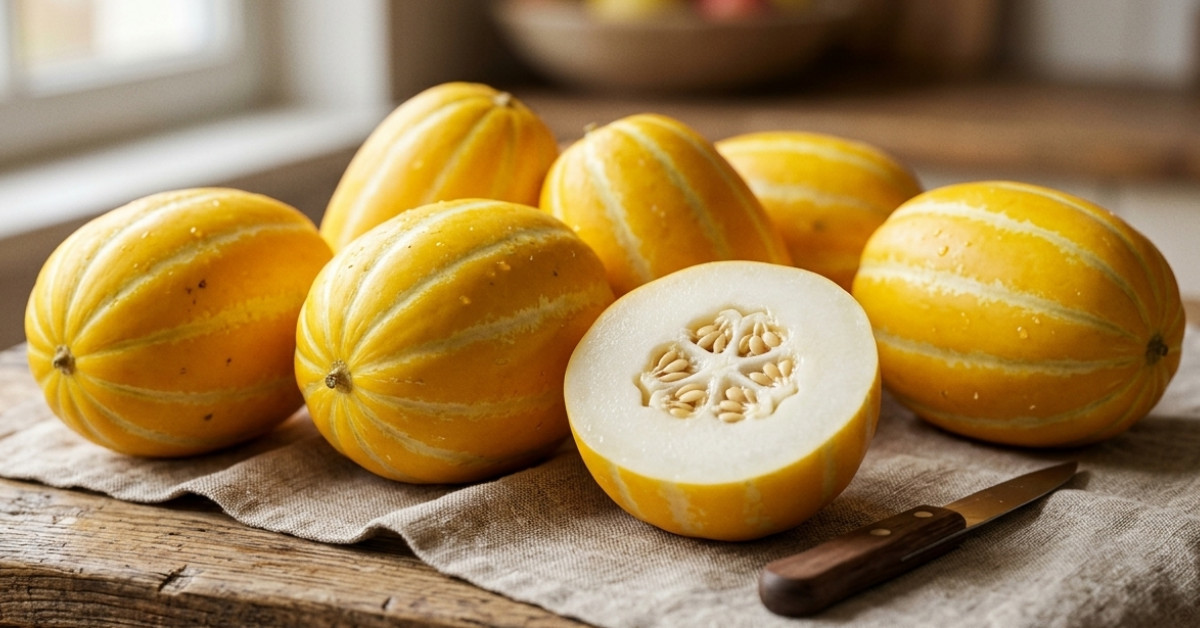
Use all your senses at the market. First, check color and stripes: pick a rind that’s a vivid yellow with well-defined white stripes—signs of good sun exposure and higher sugar. Dark spots or a dull color mean it’s past its prime. Second, size and weight matter: avoid oversized melons, which can be bland and tough. Aim for a fist-sized melon; among similar sizes, the heavier one usually has more water and a fuller interior.
Sound and smell are your friends, too. Tap the melon with a finger: a clear, bright sound means freshness; a dull thud could indicate damaged seeds or an overly watery interior. A strong, sweet aroma from the blossom end (the navel) means it’s perfectly ripe and ready to eat. Choose smooth, unblemished ovals to ensure better storage life.
Ways to enjoy chamoe
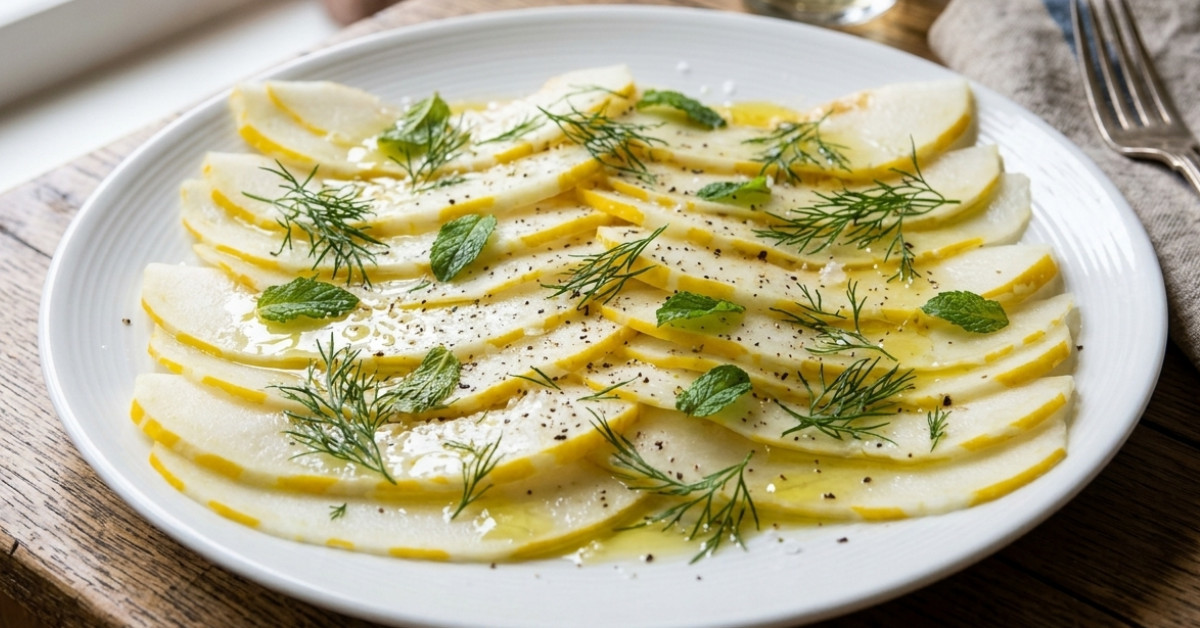
Chamoe isn’t just for eating fresh—it plays beautifully with Western flavors. A popular riff is chamoe salad, often called “chamoe carpaccio.” Use a peeler to create thin ribbons of the peel for contrast, then slice the flesh paper-thin. Layer the slices, drizzle with extra-virgin olive oil and a squeeze of lemon or a splash of white balsamic. Season with salt and coarsely ground pepper, and finish with fresh dill or mint. The melon’s natural sweetness melds with the oil for an elegant starter that’s crisp and bright.
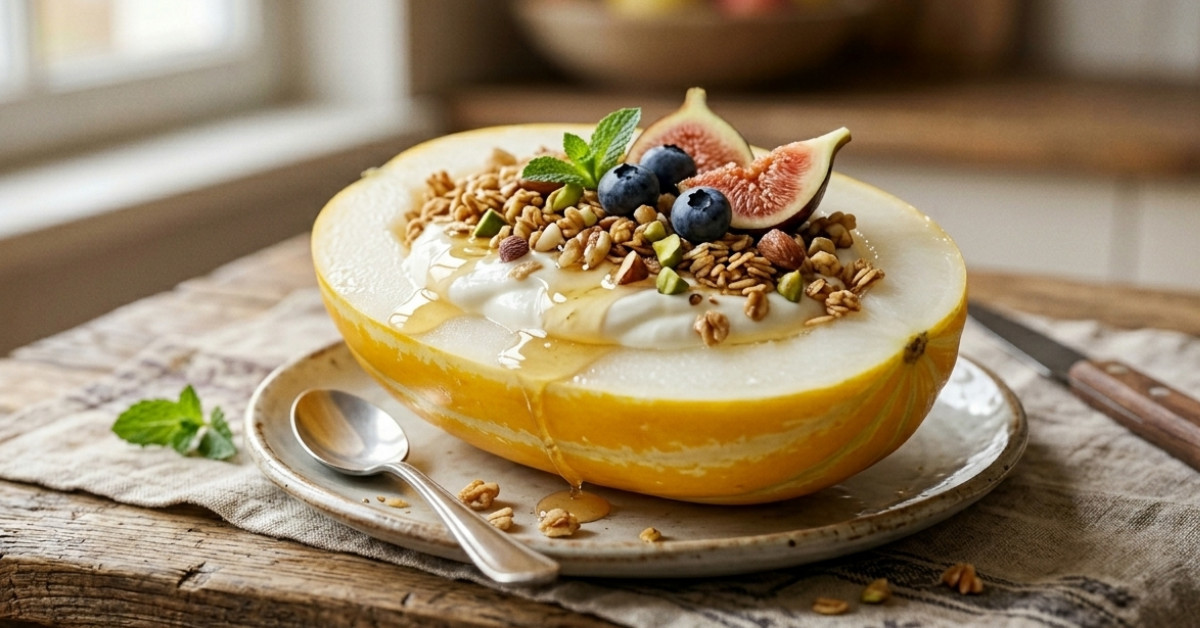
Another trendy pick among younger eaters is “Greek chamoe.” Cut off the top, scoop out the seeds, and fill the cavity with thick, strained Greek yogurt. Cover or wrap and chill in the freezer for about 1 to 1½ hours—long enough to set but not freeze solid. Slice to reveal a pretty cross-section filled with yogurt, then top with granola and a drizzle of honey or maple syrup. It’s a refreshing, healthier alternative to ice cream.
The seed area around the placental region is the sweetest and most nutrient-dense but can irritate sensitive stomachs. If that’s an issue, scrape out the seed cavity, strain the pulp, and use just the juice for drinks or sauce bases.
Chamoe is a fruit shaped by the peninsula’s soil and climate over centuries, now refined through modern breeding and quality control. This yellow gem—rich in folate, potassium, and vitamins—has evolved from a seasonal snack into a functional K-food with global potential. With smart choices, proper storage, and playful recipes, you can fully enjoy the healthy energy chamoe offers and add a delicious boost to modern life.