“byeoreuknamul,” the little plant you spot in spring fields, is easy to write off as a weed — but it’s actually a delightful, edible spring green that deserves a place on your plate.
Byeoreuknamul pops up along roadsides, field edges and vacant lots. It stays low to the ground with soft leaves that don’t call attention to themselves, but in spring the tender leaves and stems are absolutely edible. The name might put some people off, but when cleaned and prepared right, it offers a clean, understated flavor.
The biggest perk is accessibility. You don’t need to grow it — you can find it in the wild and enjoy a seasonal ingredient without spending a dime. Just avoid harvesting near busy roads or in areas treated with pesticides. Choose only plants that grew in clean surroundings so you can eat them safely.
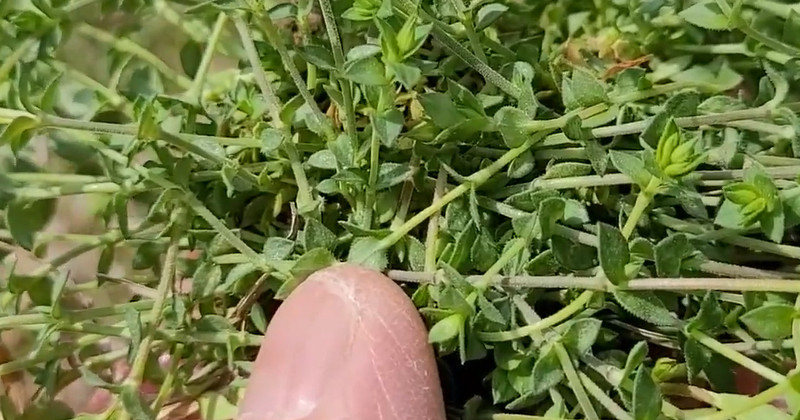
Pick the youngest shoots for the best texture and the least bitterness. Once stems thicken and leaves grow large, they can become tough, so stick to the tender parts. After harvesting, rinse thoroughly under running water several times to remove soil and any debris.
Cooking is simple. The classic approach is to blanch and season. Put a pinch of salt in boiling water and blanch the greens briefly — about 30 seconds to 1 minute — then plunge them into cold water to lock in color. Squeeze out excess moisture and cut to serving length. Over-blanching will make them limp and can reduce nutrients, so watch the clock.
Keep the dressing straightforward. Toss with soy sauce, minced garlic, sesame oil and a sprinkle of sesame seeds for an easy byeoreuknamul salad. Add red pepper flakes for some heat or a little doenjang (fermented soybean paste) for a deeper, savory twist. Because the greens are mild, they play well with a wide range of seasonings.
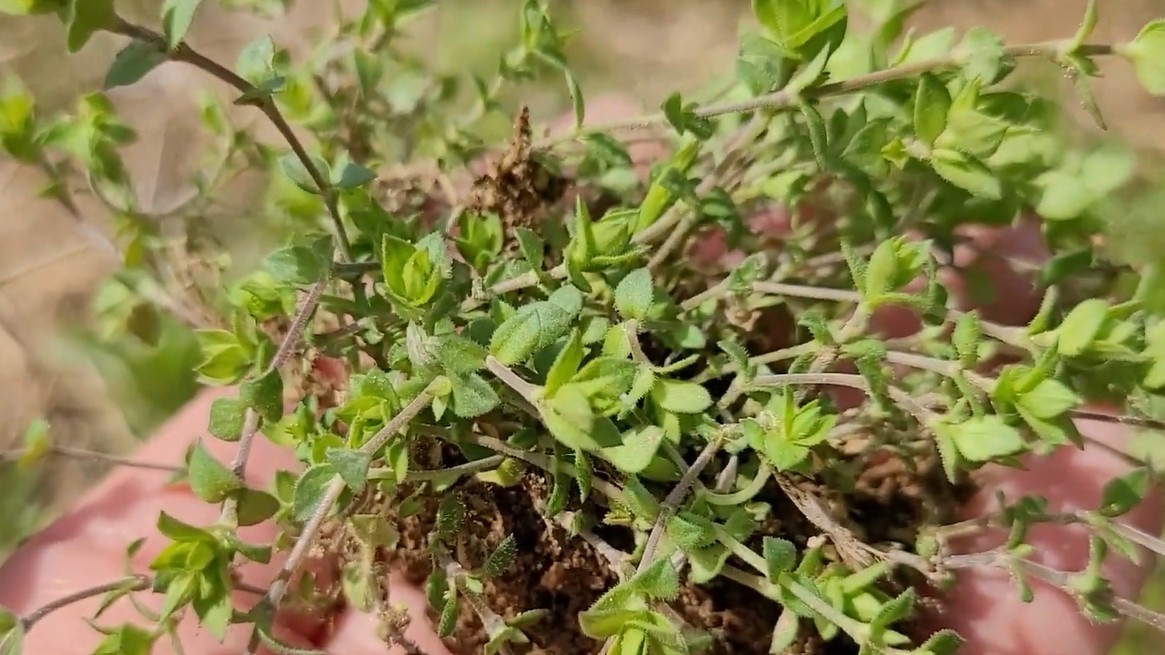
Another tasty use is adding it to soups or doenjang stew. Blanched byeoreuknamul brings a tender bite and a subtle herbal note to broths. Combine it with other spring greens and you’ll get an even richer, more layered flavor.
These greens are high in dietary fiber, which can help digestion, and they make a light, refreshing choice when your appetite dips in spring. They also help cleanse the palate when served with greasy dishes. Above all, their clean, mild taste makes them an easy everyday addition to meals.
Storage matters. Fresh greens wilt fast, so cook them soon after harvesting. If you need to store them, briefly blanch, remove excess water and refrigerate — they’ll stay fresh for a day or two. For longer storage, blanch, divide into portions and freeze.

One word of caution: many plants look similar to byeoreuknamul, so if you can’t identify it with certainty, don’t harvest it. When trying it for the first time, eat a small amount to make sure it agrees with you.
As interest in natural ingredients grows, foraged greens like byeoreuknamul are enjoying renewed attention. Because you can savor seasonal produce with no extra cost, these wild greens are a practical, stylish choice for the season.
Your daily personal horoscope report! How will your day go?