Japchae is a holiday and celebration staple, but the prep can feel daunting. You usually have to soak the glass noodles, stir‑fry each vegetable separately, and nail the seasoning. A new method that slashes those steps while keeping the flavor intact has gone viral. The secret: skip soaking and cook the noodles directly in the seasoned liquid.
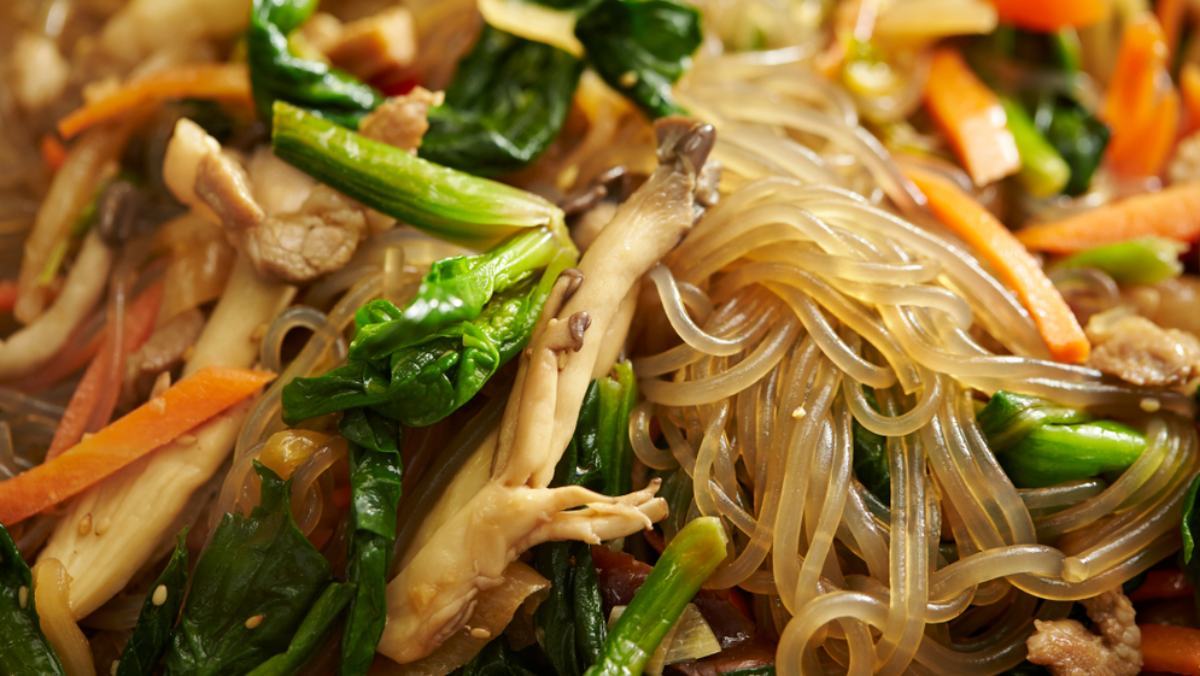
Start with the ingredients. For one 500 g (about 1.1 lb) package of glass noodles, use 400 g (about 14 oz) of pork and prepare spinach, wood‑ear mushrooms, onion, carrot, bell pepper, and imitation crab. There’s no strict rule for the veggies—use what you have. Because japchae is as much about looks as taste, aim for a mix of red, yellow, and green for a more vibrant plate.
Buying pork pre‑sliced for japchae makes things easier. Rub 1½ tablespoons of soy sauce into 400 g of pork to season it. Cut the onion and carrot into thin strips, and slice the bell pepper and imitation crab to match. Soak the wood‑ear mushrooms, then rinse them well. For larger pieces, remove the tough base so the texture is pleasant when you bite in.
Spinach deserves special attention. Blanch it very briefly in boiling salted water: add the spinach once the water boils, flip it once, then remove immediately. Rinse the spinach under cold water right away to preserve the color and prevent a chewy texture. Squeeze out the excess water and set aside.
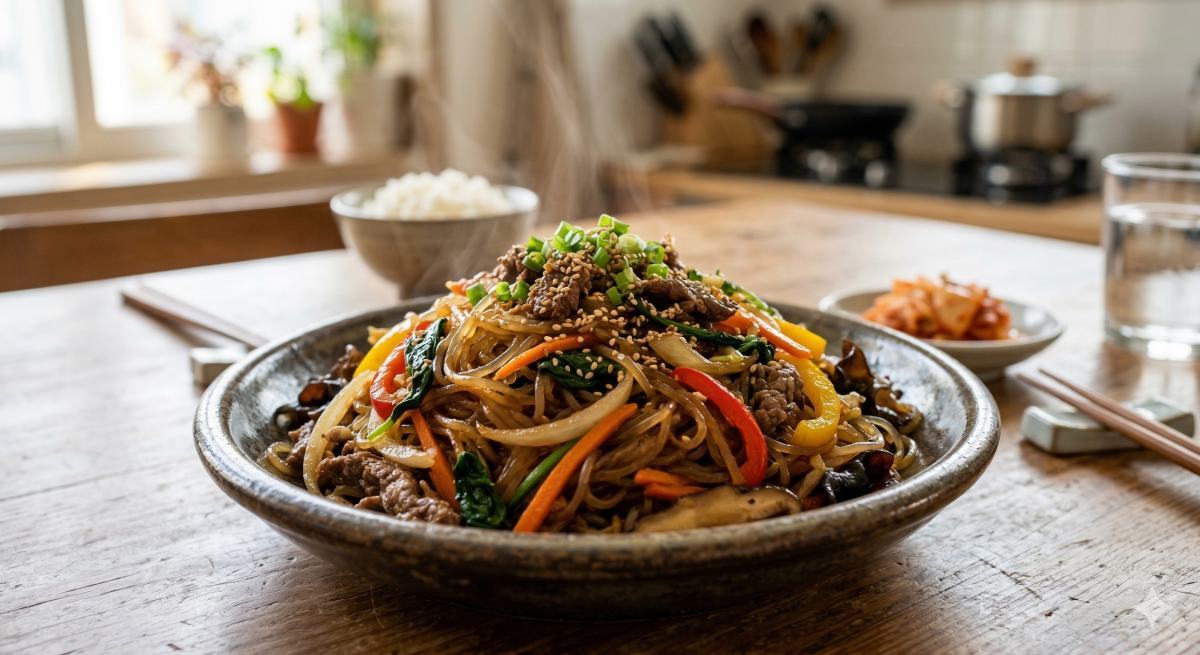
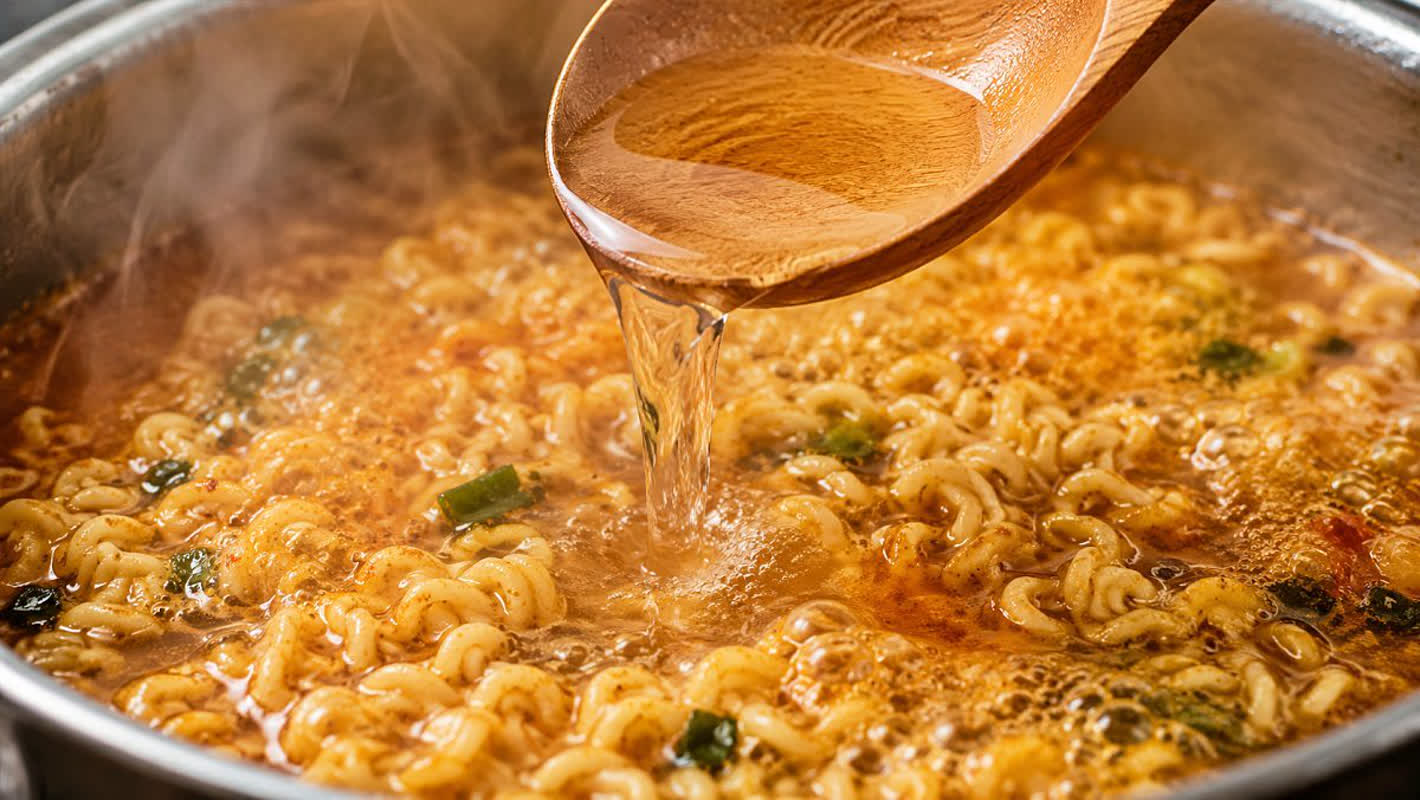
Now the key step: cooking the noodles. Instead of soaking them for an hour and then frying, cook them right in the seasoned liquid. Fill a pot with 2 L (about 67.6 fl oz or 2.1 qt) of water and add 3 tablespoons of soy sauce, 1 tablespoon of cooking oil, and 1/2 cup of corn syrup. The oil keeps the noodles from sticking, and the soy sauce and corn syrup flavor the noodles all the way through.
When the water boils, add the noodles and cook for 10 minutes. That saves you from having to season or fry them separately. While the noodles cook, stir‑fry the vegetables.
Start with the lightest‑colored vegetables: sauté the onion and mushrooms first, then the carrot. Lightly salt each vegetable as you go. When frying the wood‑ear mushrooms, add a spoonful or two of the noodle cooking liquid so they pick up extra flavor. Don’t overcook the bell pepper—give it just enough heat to warm it through while keeping it crisp.
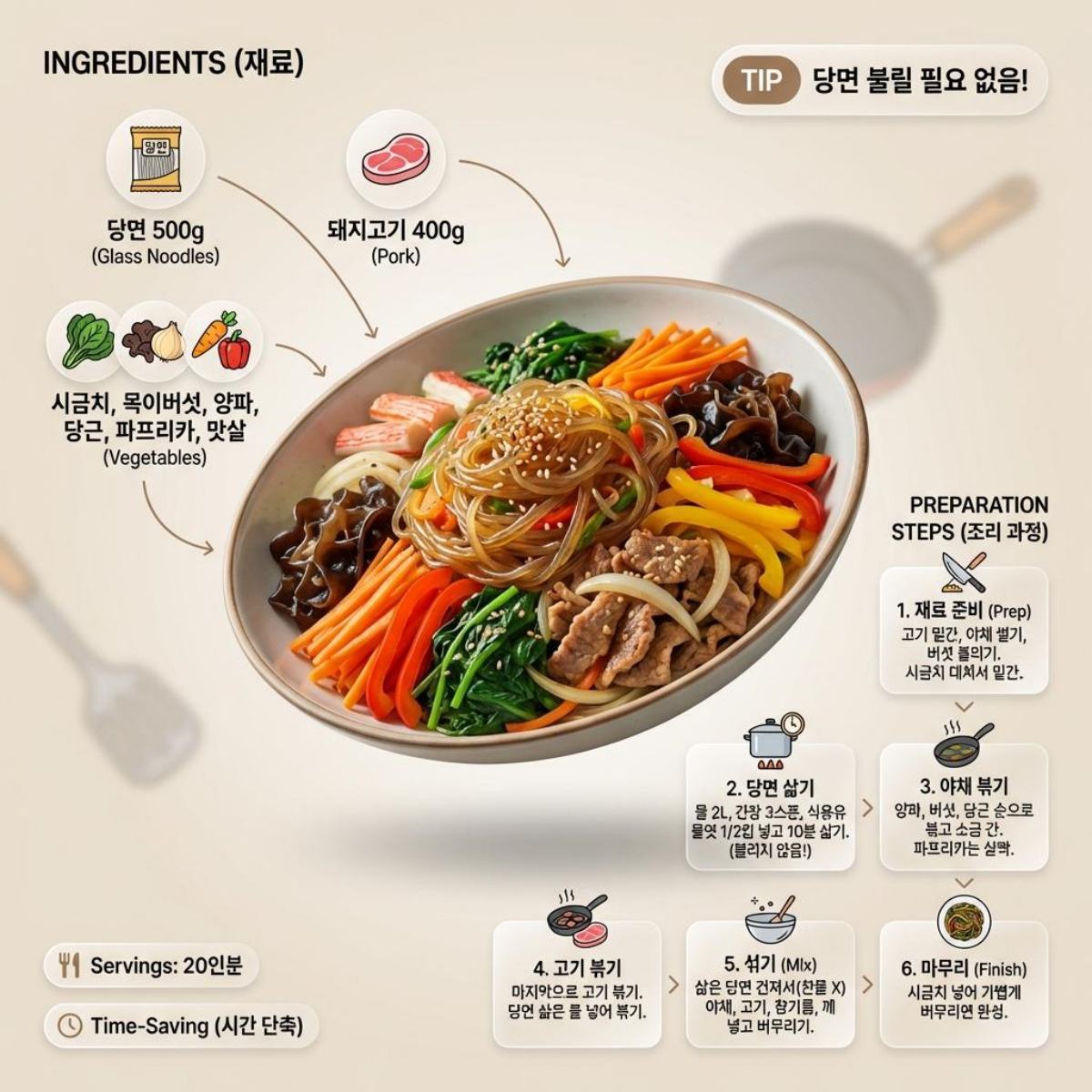
Cook the meat last so the pan stays cleaner and you don’t have to scrub between steps. Add a little of the noodle cooking liquid while sautéing the pork to keep the flavors balanced. Once the meat is done, all components are ready.
When the noodles are cooked, drain them in a colander—don’t rinse with cold water. Put the hot noodles in a wide bowl, add the pre‑cooked vegetables and meat, drizzle generously with sesame oil, and sprinkle with sesame seeds, then toss everything together.
Finally, add the blanched, squeezed spinach. Season the spinach separately with salt and sesame seeds before folding it in. Don’t mix it into piping‑hot noodles right away—wait until the residual heat cools slightly so the spinach retains its color, then toss gently.
This method saves a lot of time because you don’t need to soak the noodles. Cooking them in seasoned liquid gives them deep flavor on their own, so even novice cooks won’t have to fret over exact soy‑to‑sugar ratios.
A 500 g (about 1.1 lb) pack of glass noodles can yield roughly 20 servings, so it makes more than you might expect—scale the amounts to suit your household. Reheat leftovers briefly in a pan to get close to that freshly made texture. If japchae always felt complicated, give this clever method a try and enjoy it without the fuss.
Get your daily horoscope report! What will today bring?