SisaWeek—Reporter Kim Ji-young Lotte Chilsung Beverage has relaunched Krush under the new Kloud KRUSH name, putting its former flagship Kloud front and center as it tries to revive soft sales in the beer market.
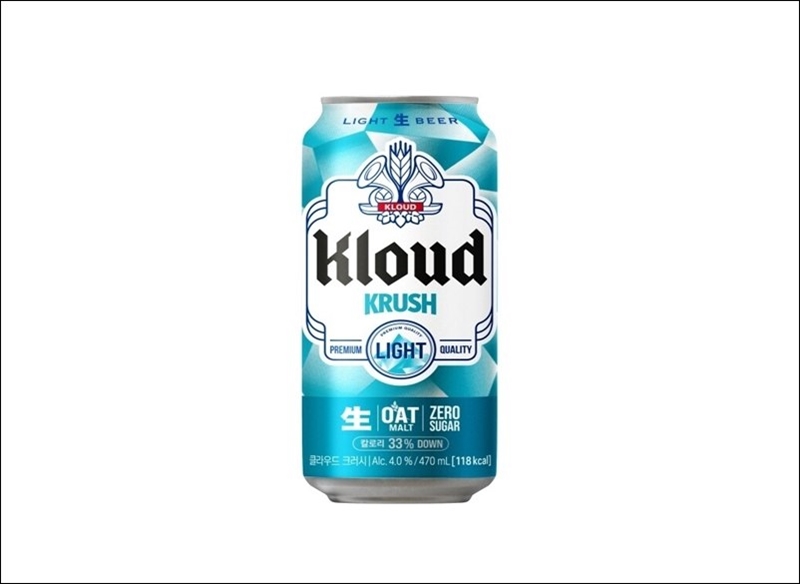
On April 8, the company announced it had refreshed the Krush product and rolled it out as Kloud KRUSH. The new logo gives Kloud greater prominence to signal a closer link between the two brands.
The recipe got a tweak, too. Alcohol by volume drops to 4%, half a percentage point lower than before, and calories are down to 25 kcal per 100 ml (about 3.4 fl oz)—a cut of more than 30%. The brewer also reduced sugars using a high‑fermentation method, a clear nod to younger drinkers who care about health and calories.
◇ Lotte Chilsung rebrands beer line as 'Kloud KRUSH'
The big idea behind the rebrand is simple: Kloud now leads the charge. Lotte Chilsung says it reorganized its brand portfolio “to emphasize the relationship between Kloud and Krush and to convey the original Kloud beer taste through the brand name.”
Kloud has long been positioned as a true premium beer. As an all‑malt brew—made only from malt, hops and water and without added ingredients—it keeps the fermented beer base undiluted, delivering a richer, heavier mouthfeel. That profile earned praise from beer aficionados, though some felt Kloud’s depth made it better enjoyed straight rather than mixed with soju.
Krush, launched in November 2023, was also an all‑malt but aimed to be lighter and more refreshing—a lager designed for mixing with soju. The name combined the “K” from Kloud with the English word “crush.” Lotte Chilsung poured distribution and marketing resources into Krush over the past few years, but sales fell short of expectations.
◇ Krush ignored by market — can Kloud provide lift?
Industry insiders say the Kloud-first move is a response to Krush’s lackluster performance. Even in its second year, Krush struggled to find a stable foothold.
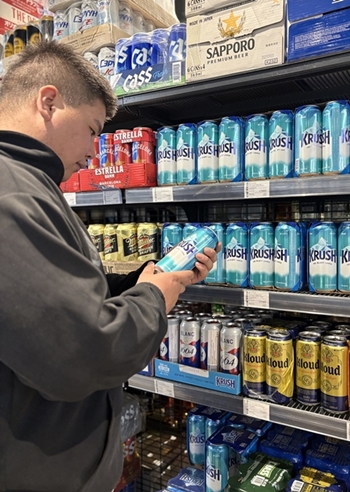
People in the trade say Krush was targeted at bars and nightlife, but it’s become hard to find on store shelves. The brand’s push for extreme refreshment—aimed at Gen Z—backfired for some, who described the taste as too bland.
Making matters worse, HiteJinro’s Kelly launched six months earlier and grabbed the niche Krush targeted: an all‑malt that feels lighter and more refreshing. Kelly hit 1 million cases sold faster than Terra, accelerating Krush’s decline.
Lotte Chilsung’s beer revenue took a major hit. According to the Financial Supervisory Service disclosure on April 8, last year’s beer sales totaled 57,175,000,000 KRW (approximately $42.88 million), a 33.8% drop from the previous year.
Beer, which once vied with cheongju for second or third in the alcohol category, has fallen to fourth behind wine. Lotte Chilsung’s share of alcohol sales has slid for three straight years: 26.0% in 2023, 21.2% in 2024 and 20.0% in 2025.
With health-conscious trends on the rise, Lotte Chilsung plans to market Kloud KRUSH around “low‑calorie,” “low‑alcohol” and “zero sugar” benefits to win over Gen Z. Now the question is whether the Kloud KRUSH relaunch can shake off Krush’s reputation and spark a comeback in the beer aisle.