The season for dodari—the flounder often billed as the harbinger of spring—is back. But most shoppers don’t really know what “spring dodari” sold at markets actually is. Seafood expert Kim Ji-min used his YouTube channel, Ipjil-ui Chueok TV (jiminTV), to clear up common misconceptions and show how to enjoy the currently trendy gangdori sashimi.
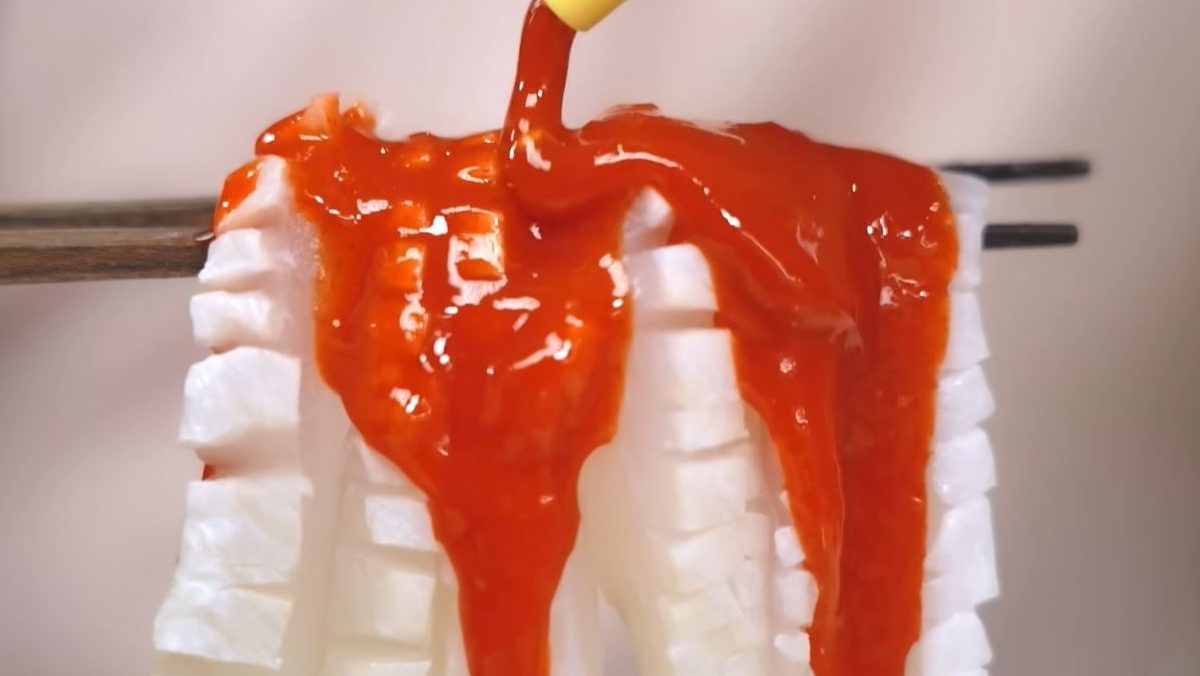
The truth behind spring dodari marketing and what makes gangdori unique
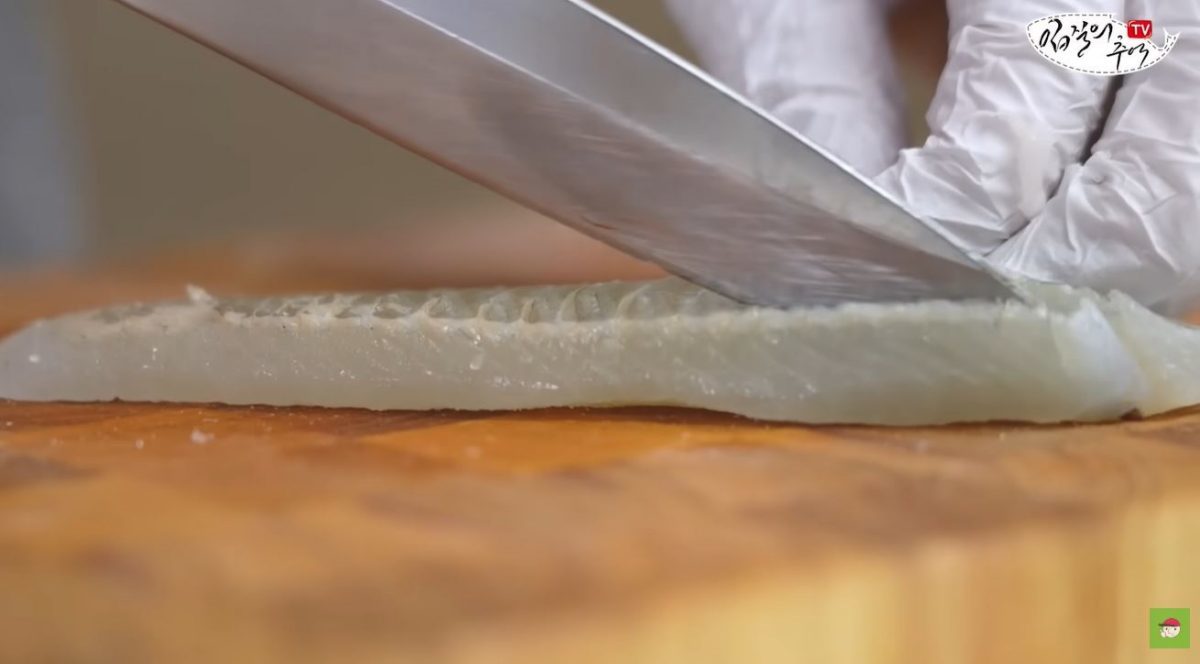
How to keep that lively sashimi texture and the salt-kimbap dodari roll
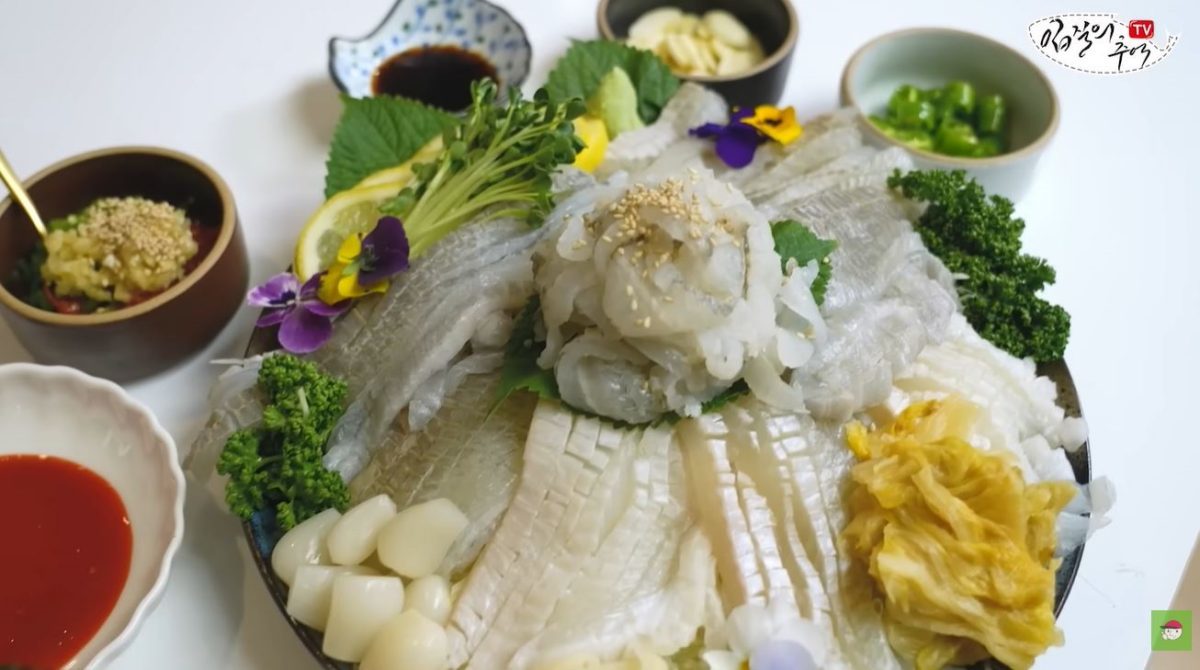
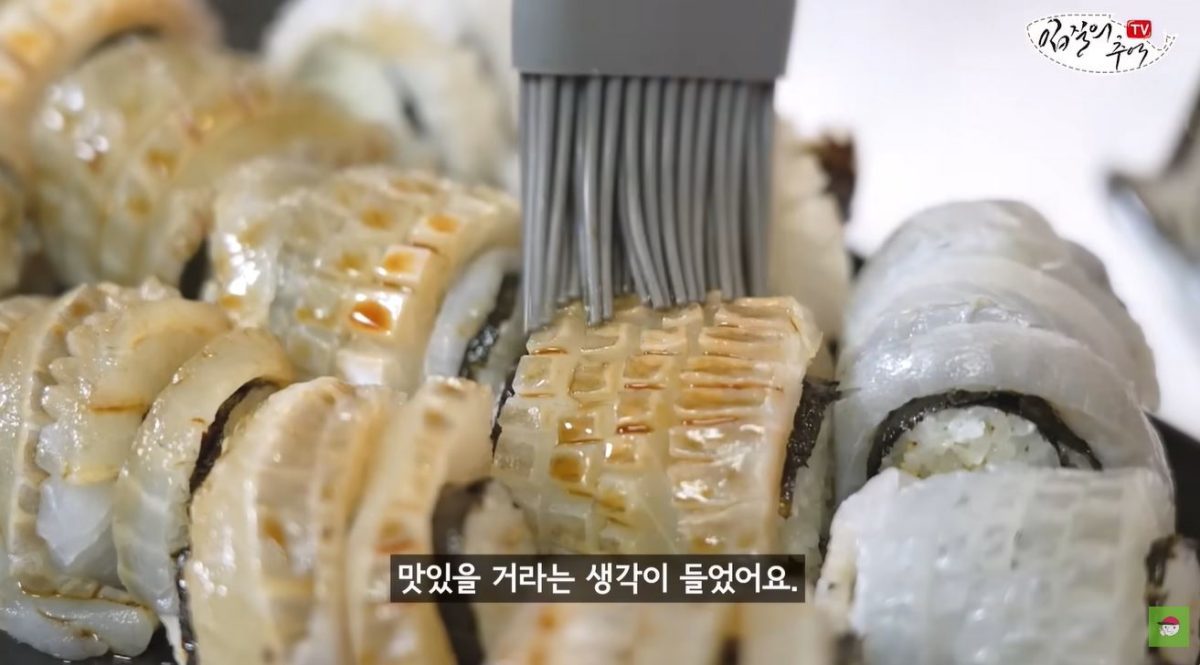
The viral trick from the video is the “salt-kimbap dodari roll.” Instead of seasoning rice with sugar or vinegar, you simply mix rice with salt and sesame oil, wrap it in seaweed, and top it with long strips of dodari sashimi. The rice’s clean, savory note pairs with the fish’s natural sweetness for a different kind of satisfaction than sushi. Add aged kimchi or a dab of wasabi and the balance gets even better. Kim says this method tastes familiar and refreshingly light, so you can keep eating without getting tired of it.
Picking a great dodari and its nutritional perks
Kim also shared shopper tips. Farmed gangdori differ in how meaty they are, so ask the seller for a fish with good “sarbap” (meatiness) or a high yield. Dropping those terms signals you know sashimi—so you’re more likely to get a better fish. Gangdori is high in protein and low in fat, making it a filling, diet-friendly meal.
An underrated fish — netizens weigh in
Visually, gangdori stands out: its eyes tilt to the left, its fins show distinct black stripes, and its skin has hard bumps that give it a coarse texture. Gangdori still plays a major role in the domestic aquaculture market, but rising labor and feed costs have pushed prices up. Combined with variable catches of wild munchi gajami, these shifts are affecting spring seafood prices.
When the video dropped, netizens responded enthusiastically. Comments included: “I can practically hear my mouth watering,” “I had dinner but now I want sashimi again…,” “Gangdori is delicious but underrated,” “I don’t usually eat raw fish, but this looks tempting,” and “That looks so good.” Some lamented the price changes: “I’d wait all spring for cheap, tasty gangdori—this year it’s not cheap, which is bittersweet.” Others praised its clean flavor: “If you don’t like greasy foods or aren’t into sashimi, gangdori is the best—so underrated.”
Your daily personal horoscope report! How will your day go?