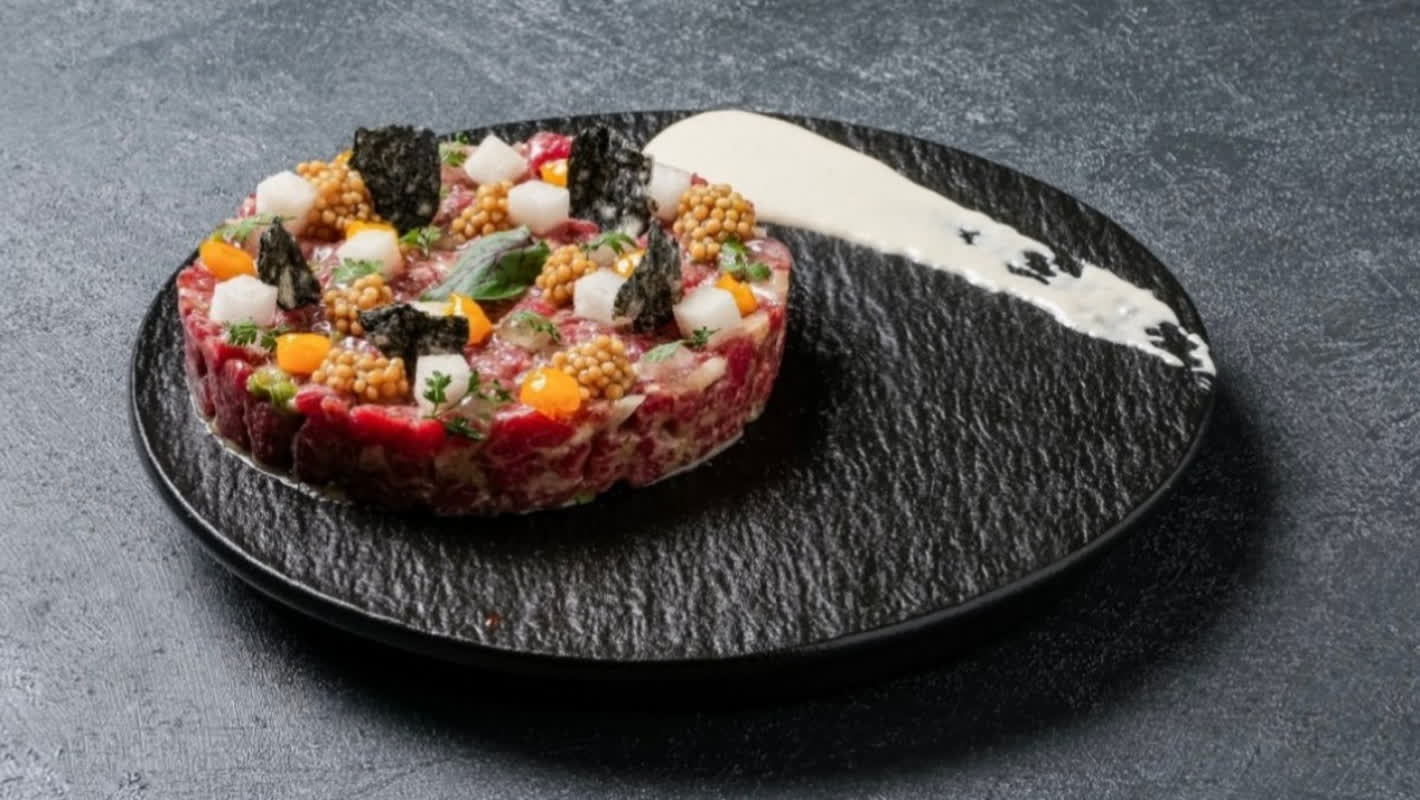
There’s one tomato that steals the spotlight every early April: the Daejeo tomato. With a flavor, texture, and growing story all its own, it’s become a springtime obsession—more than just a fresh vegetable, it’s a seasonal must-have.
Daejeo tomatoes are primarily grown around the Daejeo neighborhood in Gangseo District, Busan. Located at the mouth of the Nakdong River, the area’s mineral-rich soil and the blend of seawater and freshwater give these tomatoes a uniquely balanced sweetness and acidity, plus a subtle briny note—earning them the nickname “salty tomato.”
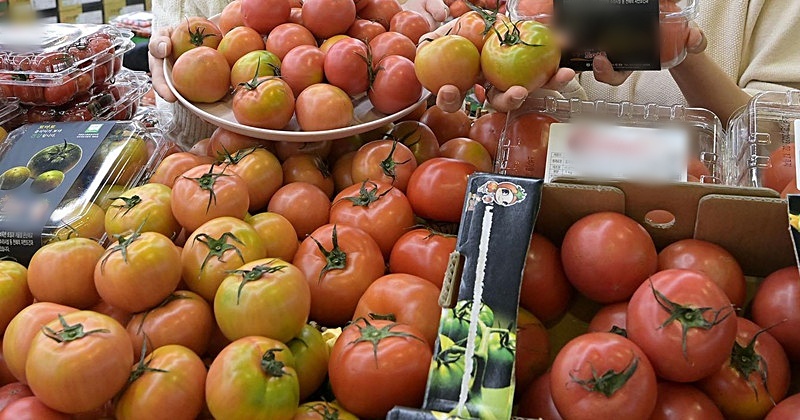
The biggest difference is taste. While many supermarket tomatoes tilt sweet or can be watery, Daejeo tomatoes offer a layered profile—sweet, tangy, and faintly salty all at once. They’re delicious raw, but they also elevate salads and simple dishes. Their firm flesh and just-right moisture give them a satisfyingly crisp bite.
They’re worth noting nutritionally as well. Tomatoes are high in lycopene, an antioxidant that helps neutralize free radicals and protect cells from damage. Lycopene is linked to vascular benefits, and regular intake can support overall health. Daejeo tomatoes also provide vitamin C and dietary fiber, which support immunity and digestive health.
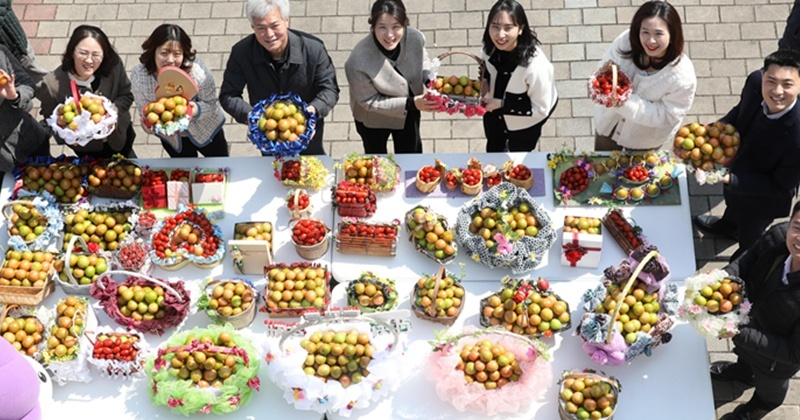
What sets Daejeo tomatoes apart is their seasonality. Unlike ordinary tomatoes that are available year-round, Daejeo are harvested from late winter into early spring. Shipments usually begin in late February, and early April is when their flavor peaks. Big swings between daytime and nighttime temperatures boost sugars and concentrate flavor as moisture slightly decreases.
Growing techniques differ too. Farmers intentionally limit water in a practice known as water-stress cultivation. That stress encourages the fruit to concentrate sugars and firm up its tissues. The result is a smaller tomato with more intense flavor and denser flesh.
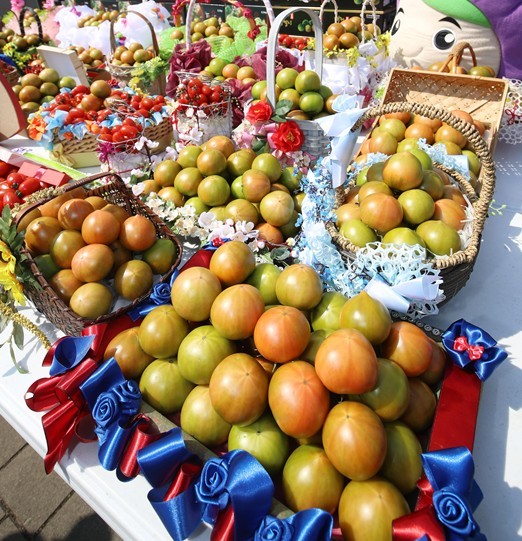
Their look is different, too. Daejeo tomatoes are often irregular or slightly lumpy. They may keep a hint of green rather than turning fully red—that greenish tint isn’t underripe but a sign of an ideal sugar-acid balance. Many people actually prefer that slight green edge to an overly red tomato.
There are plenty of ways to enjoy them. The simplest: wash and eat raw. A drizzle of olive oil or a light sprinkle of salt brings out their character. They shine in salads or paired with cheese—think caprese or fresh burrata. You can cook them, but eating them raw preserves that unique texture and flavor.
When buying, pick tomatoes that feel firm and springy—not overly soft. Even coloring with a touch of green usually signals freshness. Store them in the refrigerator rather than on the counter, but plan to eat them soon for the best taste.
Ultimately, the Daejeo tomato is more than a regional specialty—it’s the product of season and place. It shows how the same fruit can taste and perform differently depending on where and how it’s grown. Since its peak is a short window in early April, it’s a true seasonal treasure.
Check your daily horoscope—how will your day go?