Jahwajeonho, a wild mountain green also called badinamul, is getting renewed attention as a springtime energy booster.
The name might sound unfamiliar, but in some regions it’s long been used as a spring tonic. With a bold aroma and a distinctive bitter bite—so potent that people say a single root can revive your energy—it’s resurfacing as more diners embrace healthier eating.
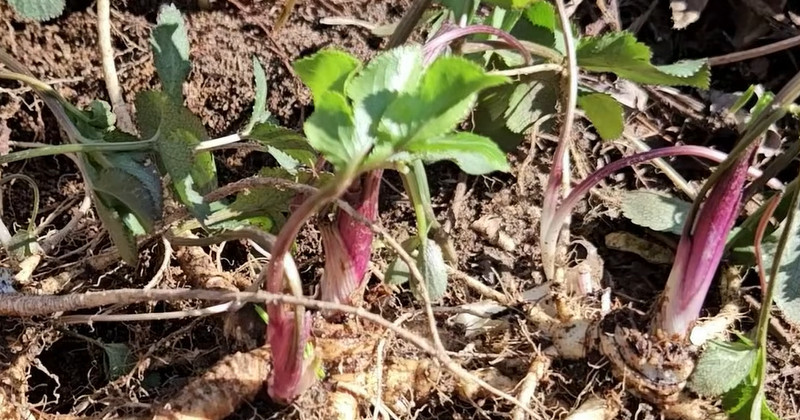
People use the young shoots or roots of this mountain plant. Its strong flavor and potent scent can be polarizing, but those same qualities help stimulate the appetite, making it especially useful in spring when tastes often dip after winter. The signature bitterness of mountain greens triggers saliva production, which naturally boosts appetite.
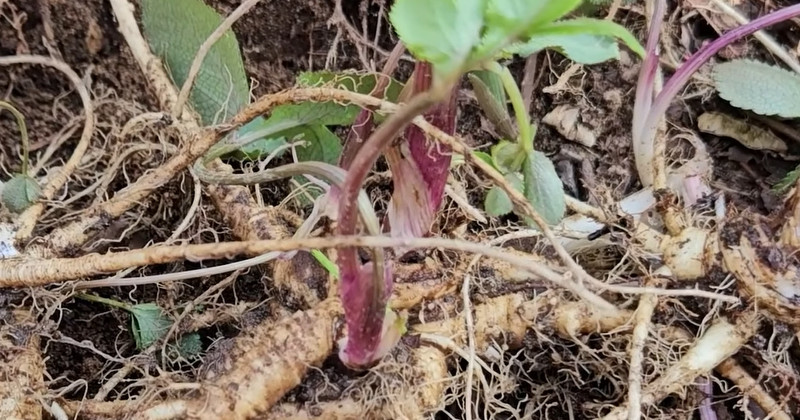
It’s worth noting the nutritional perks. Jahwajeonho contains vitamins and minerals that support overall balance, and it’s considered relatively rich in nutrients tied to fatigue recovery. Because it replenishes nutrients that are often depleted over winter and can ease seasonal slumps, some people have nicknamed it a spring tonic.
Preparation affects both flavor and safety, so take care. Don’t eat it raw—always clean and cook it. Blanch the young shoots in boiling water with a pinch of salt to tone down bitterness and harsh compounds. After blanching, rinse thoroughly in cold water, squeeze out excess moisture, then season or quickly stir-fry to make it more palatable.
If you’re trying it for the first time, balance the flavor with seasonings. Miso, gochujang, or perilla oil can soften the strong aroma, and adding garlic or toasted sesame seeds rounds out the taste. If the bitterness is too much, a splash of plum syrup or a little vinegar can brighten the dish. These combinations keep jahwajeonho’s distinctive scent while making it more approachable for broader palates.
Be cautious during harvesting, too. Jahwajeonho often grows wild and can be mistaken for similar plants, so if you’re not confident in identifying it, buy verified products from reputable sellers. Don’t overdo it—start with small portions to check how your body reacts. People with sensitive stomachs or known plant allergies should be especially careful.
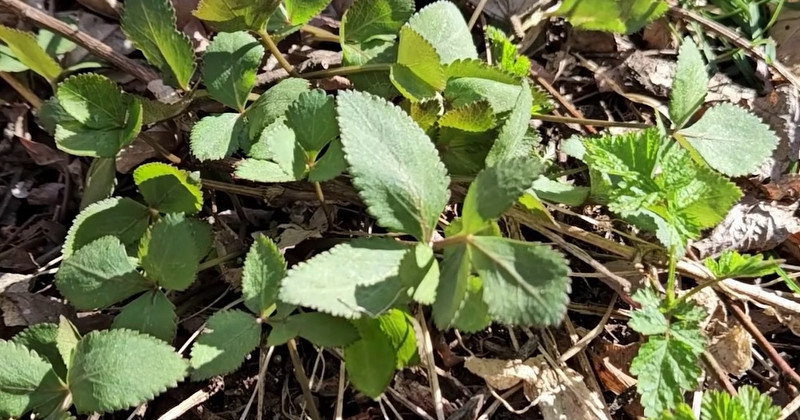
Storage matters. Jahwajeonho loses moisture and freshness quickly, so it’s best to eat it soon after purchase. For longer storage, blanch and freeze it—this helps preserve freshness so you can thaw and use small portions as needed.
As more people seek healthy, interesting ingredients, traditional mountain greens like jahwajeonho are enjoying a comeback. Beyond the simple idea that something is “good for you,” readers want clear, practical tips on how to prepare these plants safely and deliciously. With a little care in cleaning and cooking, jahwajeonho can easily make its way onto everyday plates. If you’re looking to recharge this spring, consider adding these seasonal greens to your meals.
Your daily personal horoscope — what will today bring?