Bean sprout soup (kongnamul-guk) is the kind of comforting broth you’ll find on tables across Korea. It’s inexpensive, quick to make, and loved year-round—especially after a night of heavy drinking. You can season kongnamul-guk with salt or soy sauce, but the most soulful depth comes from saeujeot, fermented salted shrimp.
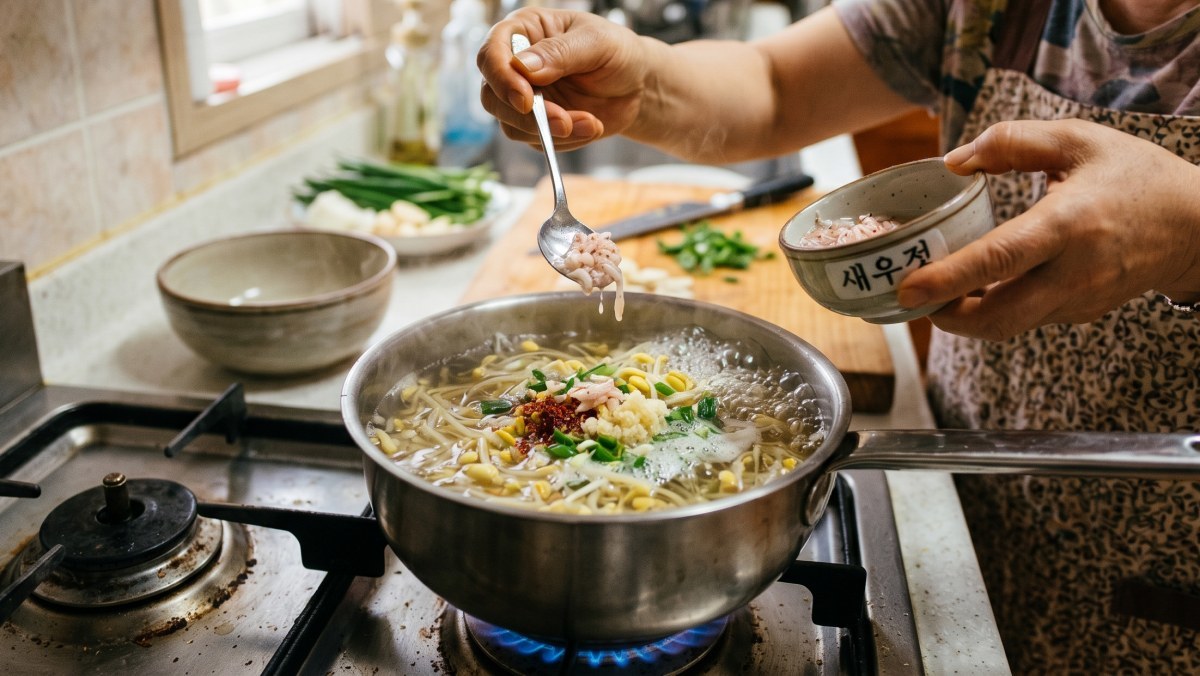
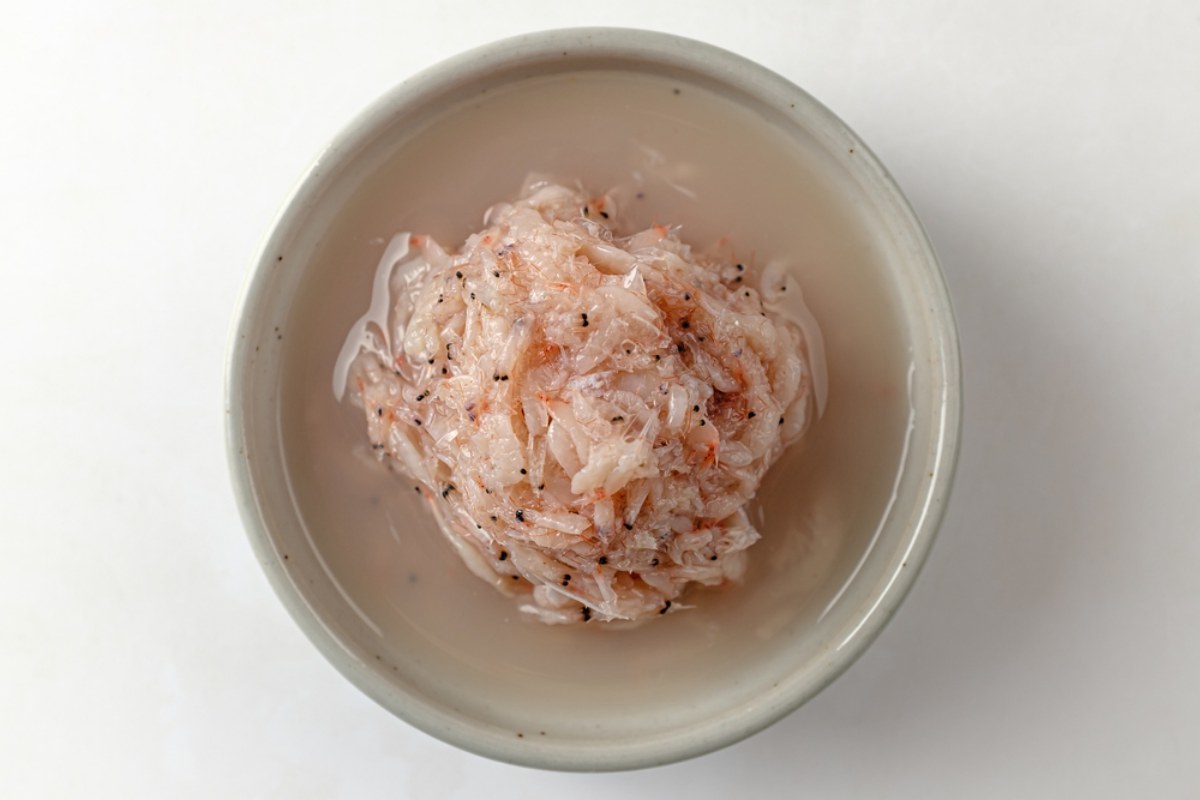
Saeujeot is made from tiny shrimp preserved and fermented in salt. During fermentation, proteins break down into amino acids—glutamic acid in particular—which creates rich umami. That’s why swapping plain salt for saeujeot deepens the broth’s flavor. Unlike table salt, which only adds saltiness, saeujeot leaves a bright, savory finish.
How saeujeot and bean sprouts change the flavor
There’s a scientific reason kongnamul-guk seasoned with saeujeot tastes so clear and refreshing. Amino acids from the saeujeot interact with asparagine from the bean sprouts, boosting the overall flavor. Fermentation concentrates the saeujeot’s taste, and when it mixes with the sprouts in hot water it helps tame any fishy notes. The sprouts’ sharper scent fades and umami fills the space.
Umami is one of the five basic tastes and it leaves a pleasing, lingering finish. Salt hits primarily at the tongue’s tip, but saeujeot helps the flavor spread across the whole mouth. That’s why kongnamul-guk tastes so satisfying even without extra seasonings like MSG. Add a spoonful of saeujeot once the soup boils—you’ll keep a clear broth while gaining serious depth.
Natural enzymes that aid digestion
Saeujeot isn’t just a seasoning—it’s a digestion helper. It contains proteases that break down protein and lipases that break down fat. Bean sprouts are rich in plant protein, and cooking them with saeujeot helps those proteins break down more easily. People with sensitive stomachs or slow digestion often feel noticeably better after eating kongnamul-guk seasoned this way.

That’s also why people often serve saeujeot with pork. Adding saeujeot to kongnamul-guk can improve nutrient absorption by helping proteins convert to amino acids. This was practical wisdom passed down through generations: saeujeot wasn’t added just for taste, but for the body’s benefit too.
Kongnamul and saeujeot: the ultimate hangover cure
Everyone knows bean sprout soup can help a hangover. The roots of bean sprouts are rich in asparagine, which helps break down acetaldehyde—the toxic byproduct your body produces after drinking—and helps remove it. Add saeujeot and the hangover-relief effect is amplified.
Drinking alcohol depletes fluids and electrolytes, and saeujeot is a natural source of minerals. Its salts can be better absorbed than plain table salt, helping restore electrolyte balance. Saeujeot also contains taurine, which supports liver function, eases fatigue, and protects liver cells. Together, the asparagine from sprouts and the taurine from saeujeot give a tired liver extra support. That’s why many cooks won’t skip saeujeot when making a hangover soup.
Bean sprouts’ nutrients and health benefits
Bean sprouts are surprisingly nutritious. When soybeans sprout, they produce vitamin C that the raw beans don’t contain. A plate of bean sprouts provides a meaningful portion of an adult’s daily vitamin C, which boosts immunity and helps fend off seasonal colds. Bean sprouts also contain isoflavones, which can be beneficial for women’s health.

Fiber is another plus: it stimulates bowel movements, helps prevent constipation, and aids in flushing out waste. Low in calories, the soup is also a smart choice for people watching their weight. When cooking, don’t trim off the sprouts’ heads and tails—the heads hold protein and vitamins, and the tails are rich in asparagine. Even if you dislike the texture, leaving them whole preserves the nutritional benefits.
How to make delicious kongnamul-guk with saeujeot
Follow a few simple tips for great kongnamul-guk. Start with fresh bean sprouts: look for plump stems and translucent roots. Avoid any with black spots or limp heads. Saeujeot comes in varieties like yukjeot and chu-jeot; for bean sprout soup, chu-jeot’s clean flavor works best.
1. Make the stock: Simmer dried anchovies and kelp for about 15 minutes. A rich stock helps the saeujeot’s umami shine.
2. Add the bean sprouts: Put the washed sprouts into the broth and cook. Keep the lid closed while they simmer—opening it mid-cook can release a fishy smell.
3. Season with saeujeot: Use both the solids and the liquid from saeujeot instead of plain salt. Add a little at a time and taste as you go; don’t dump it all in at once.
4. Add aromatics: Stir in minced garlic and sliced green onions for extra flavor. For a cleaner finish, add thinly sliced radish. If you want heat, toss in a bit of green chili or red pepper flakes.
If you dislike the texture of the saeujeot bits, finely chop them or strain and use only the liquid. But eating the solids also gives you chitin and chitosan from the shells, which offer extra health benefits.
Sodium control and precautions
Saeujeot is salt-cured, so it’s high in sodium. Using too much can raise blood pressure and cause other health issues. When you season with saeujeot, cut back on other salty seasonings and focus more on eating the solids than drinking the broth. If the soup tastes too salty, try a drop of vinegar instead of watering it down—the vinegar’s acidity can soften the saltiness and brighten the flavor.
People with shellfish allergies should avoid saeujeot. If you need a substitute, a small amount of anchovy fish sauce can add depth, though it won’t quite match saeujeot’s unique, refreshing character. Choose ingredients with your health in mind.
A humble bowl shaped by ancestors’ wisdom
Adding saeujeot to bean sprout soup reflects centuries of Korean food wisdom. Even without expensive meats or rare ingredients, people used what was on hand to create a dish that’s both flavorful and nutritious. Bean sprouts bring protein from the earth; saeujeot brings umami from the sea. When they bubble together in a pot, they warm you on cold nights and comfort a tired body.
In a world of bold, flashy flavors, kongnamul-guk stands out for being simply satisfying yet deeply flavorful. It delivers essential nutrients and real comfort. Why not try a bowl of refreshing kongnamul-guk seasoned with saeujeot for dinner tonight? It’s an easy way to lift your spirits and nourish your body.