When spring warms up, one of the first treats to arrive from the sea is the manila clam. Chefs and seafood lovers swear they’re at their best between February and April. In that window the clams plump up and take on a slightly sweet note, so they make even the simplest dishes sing. They’re easy to find, wallet-friendly, and an instant upgrade for weeknight dinners. Here’s why you should be buying a bag this season.
1. Manila clams are tastier when you know why
Don’t let their size fool you—manila clams are nutrition powerhouses. Their standout nutrient is taurine, which helps fight fatigue—perfect for shaking off spring slow-down. Taurine also supports liver function and may ease hangover symptoms the next morning.
They’re also rich in iron and zinc, making them a smart pick for anyone prone to lightheadedness and for growing kids. The clam’s protein is low in fat, so it’s a friendly option for people watching calories. If spring has zapped your appetite, a clam dish will wake your palate with a fresh hit of ocean flavor. They also supply minerals like calcium and magnesium to support bone health.
2. Nail the basics: purging and cleaning
The key to great clam cooking is purging them so they spit out sand and grit. No matter how delicious the recipe, a mouthful of sand ruins the vibe.
How to purge: Soak clams in salted water that mimics seawater—about 2 tablespoons of salt per liter of water. Cover the container with a black plastic bag; the darkness tricks clams into thinking they’re in the mudflat, so they open and release debris. A common kitchen tip says adding a metal spoon can speed things up through a mild chemical reaction. One to two hours is usually enough.
Cleaning: After purging, scrub the clams under running water to remove any stubborn debris on the shells. Toss any clams with cracked shells—they can release grit or other nasties during cooking.
3. Simple clam recipes to perk up your appetite
Manila clams are versatile: broths, stir-fries, even rice bowls. Here are easy recipes you can make at home.
Ultimate refresher: clear clam broth
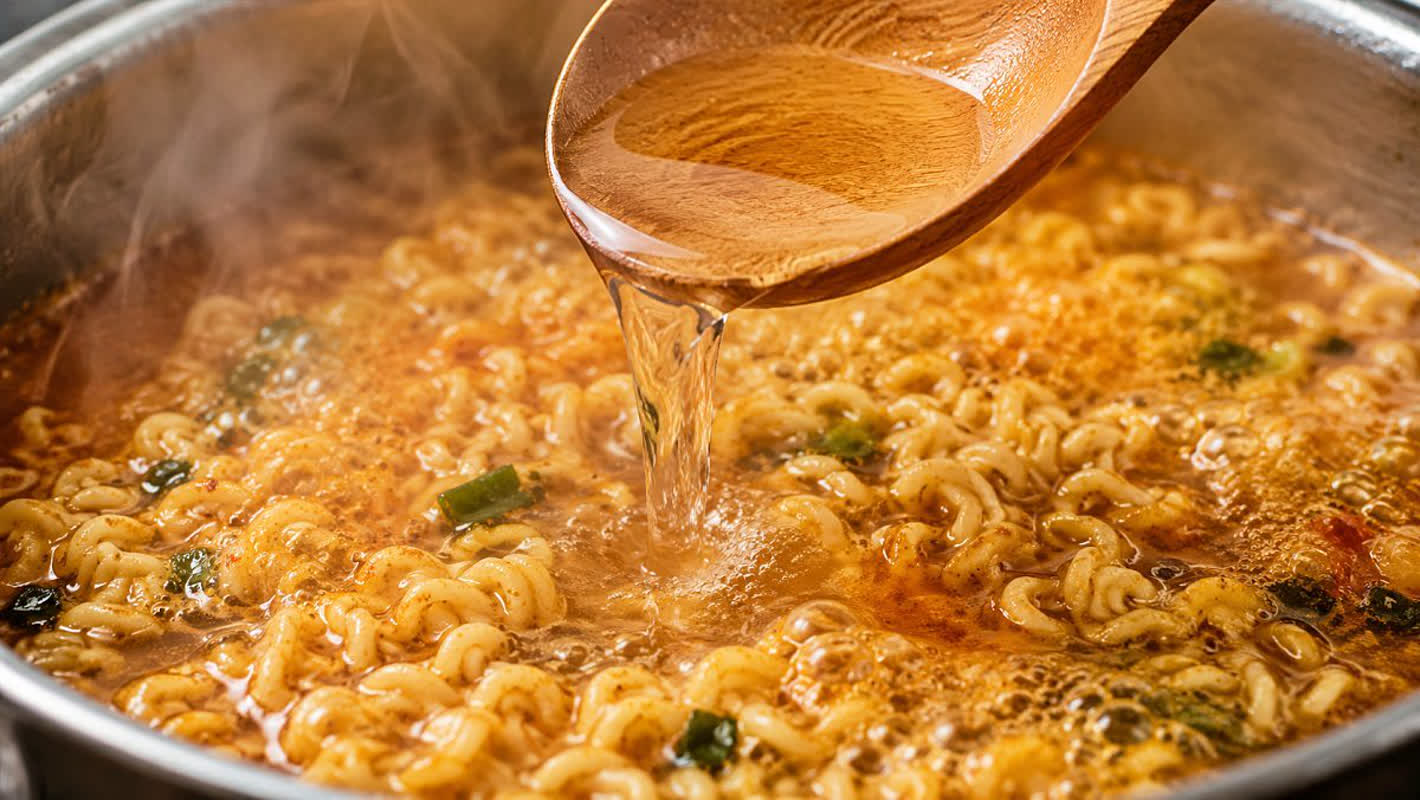
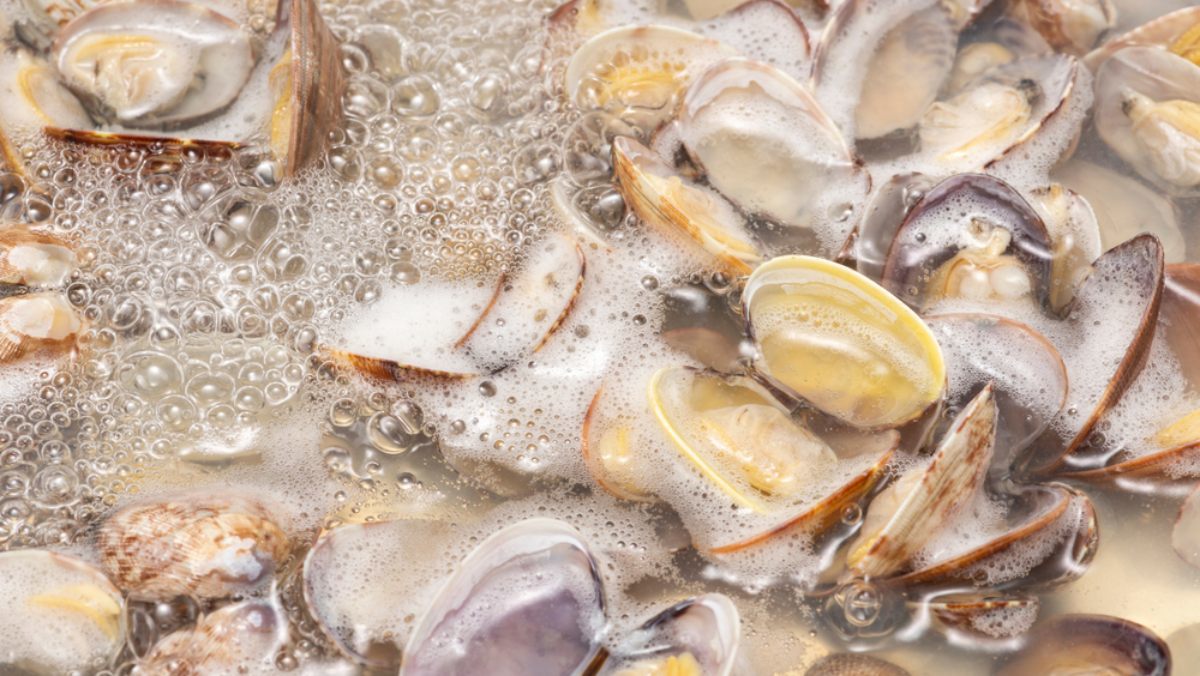
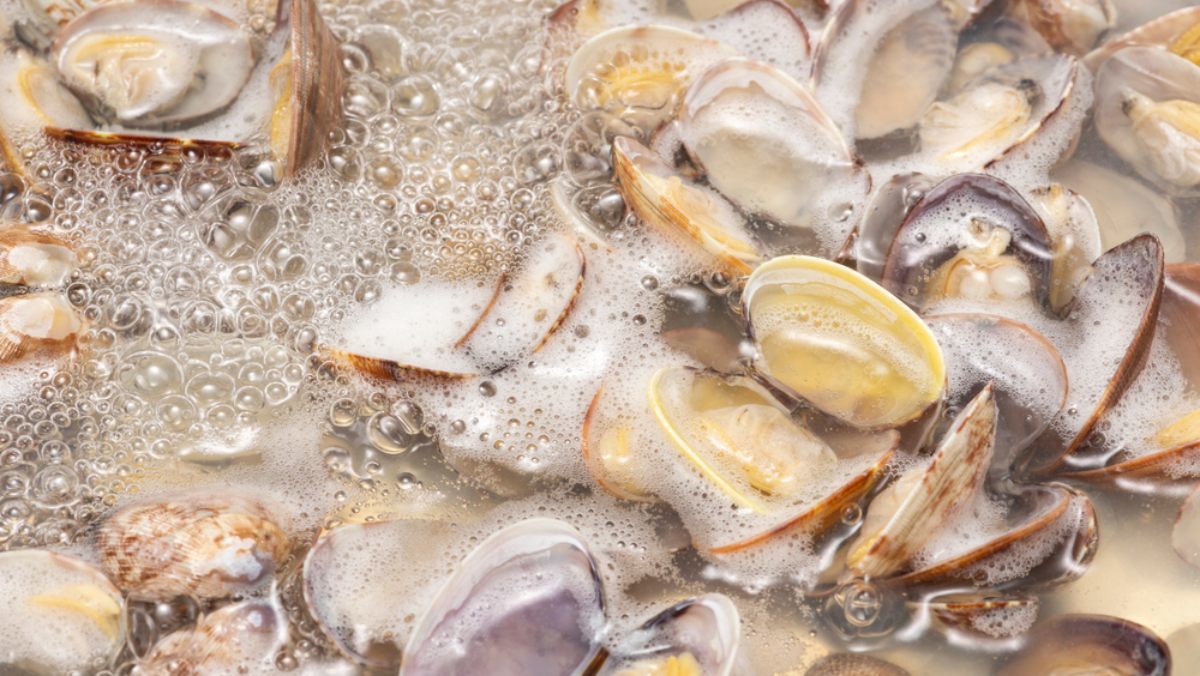
Simple ingredients, deep flavor. Put water and purged clams in a pot and bring to a boil. As the clams open, skim off the foam so the broth stays clean and bright. Add a little minced garlic, sliced green onion, and chopped cheongyang chili (a spicy Korean green pepper) for a lively, slightly spicy finish. Season with salt or a splash of soup soy sauce—taste first, because the clams already add saltiness.
Umami-packed steamed clams
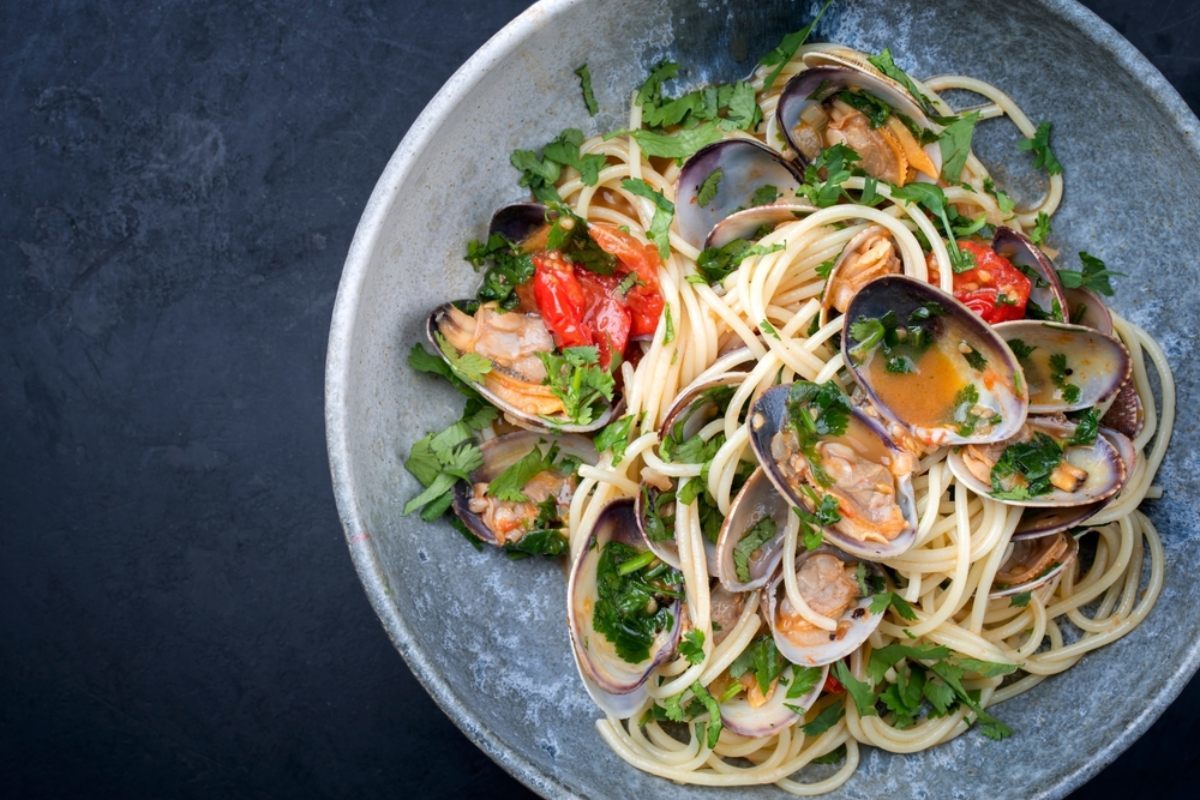
Perfect with beer or wine. Melt butter in a pan, sauté garlic and dried red chili to wake up the aroma, then add clams and about half a cup of sake or dry white wine. Cover and cook until the clams open. Finish with a grind of black pepper and a sprinkle of chopped scallions for an international, flavor-forward bite. Don’t waste the broth—toss it with pasta for an instant second meal.
Hearty bowl: manila clam kalguksu and sujebi
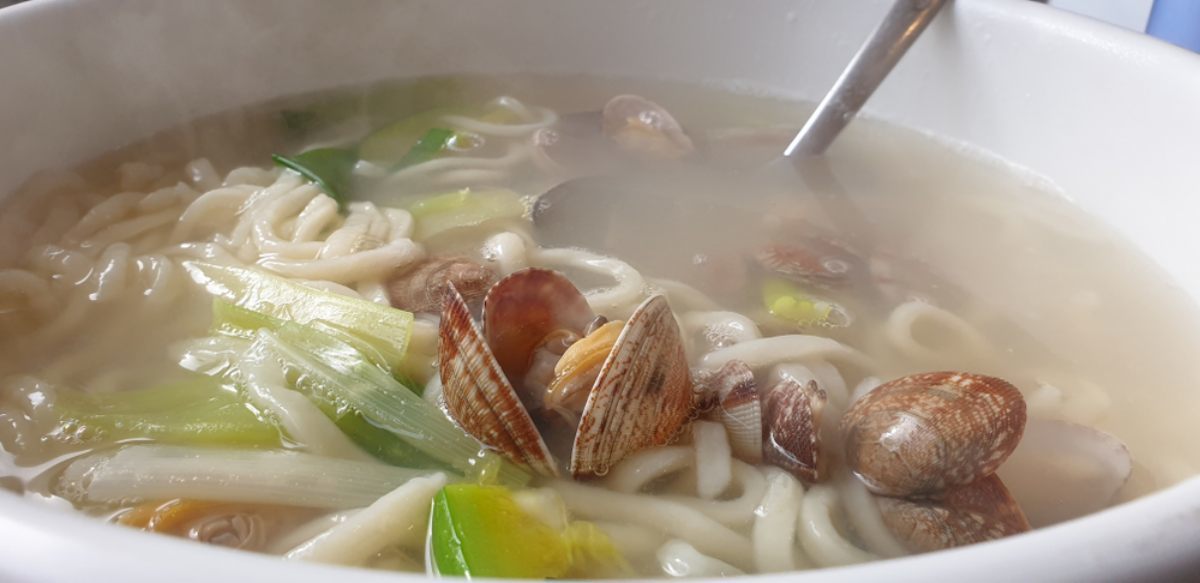
When you think clams, many people picture kalguksu. Make a stock with anchovies and kelp, add plenty of clams, then stir in noodles or hand-pulled dough pieces. The milky broth from the clams soaks into the noodles, delivering deep flavor without extra seasoning. Thinly sliced zucchini and potatoes add texture. It’s the ultimate comfort food for rainy days or when you crave something warm.
Sweet-and-spicy clam salad
Want a refreshing hit? Try this salad. Pull the clam meat from the shells and briefly blanch it, then toss with a sauce made from gochujang, red pepper flakes, vinegar, and sugar. Add crunchy greens like watercress, cucumber, and onion for contrast. Stir in boiled somyeon (thin wheat noodles) to make it a satisfying one-bowl meal.
4. Buying and storing clams like a pro
Pick clams with shiny, unbroken shells. Those that keep their shells tightly closed are fresher than ones that gape open. If a clam is open, tap it—if it snaps shut, it’s still alive.
Refrigeration: To keep purged clams fresh, store them in an airtight container in the fridge. Shellfish lose freshness quickly, so plan to eat them within two days.
Freezing: For longer storage, purge, dry thoroughly, portion into plastic bags, and freeze. Frozen clams should go straight into boiling water without thawing so they open properly.
5. Safety tips for enjoying clams
Manila clams are wonderful, but use caution. When spring temperatures rise fast, shellfish toxins can develop. Clams spawn from May through August, which raises toxin risk—so it’s safest to enjoy them mainly in early to mid-spring. Also, discard any clams that don’t open during cooking—they were likely dead beforehand and could be spoiled.
If someone has a shellfish allergy, be extra careful. For kids trying clams for the first time, offer a small taste and watch for any skin rash or itching before giving more.
6. Set a spring table around manila clams
Manila clams do more than taste great—they’re a little boost for a tired body. Their milky broth and chewy meat wake you up after a long winter.
Tonight, why not grab a bag of fresh clams at the market and cook them? From light, clear soups to spicy salads, manila clams can transform a simple meal. Eating seasonal foods is one of the easiest, most enjoyable ways to stay healthy. Soak up the ocean flavor and enjoy a delicious, healthy spring with manila clams.
Manila clams are loved not just in Korea but across East Asia, including Japan and China. In the West they often show up in pasta sauces and stews. Part of their global appeal is succinic acid—an umami-rich compound that acts like a natural flavor enhancer and makes dishes taste deeper and more savory.