Tap before you buy: 3 quick ways to tell if mushrooms are past their prime
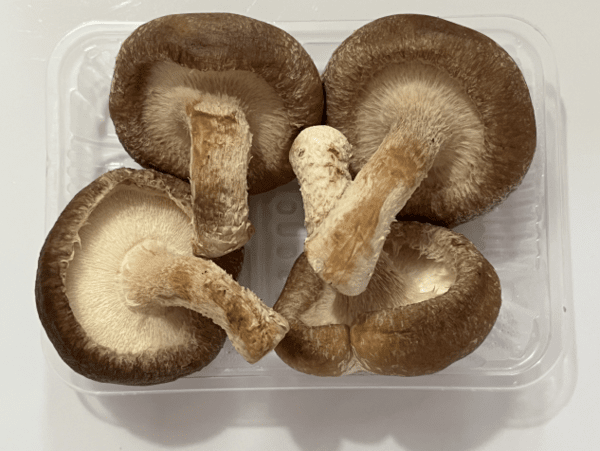
Mushrooms can look practically identical on the outside, but their condition can vary a lot. Fresh mushrooms have a distinct texture and aroma, while older ones tend to go soft or start to smell off. Learning a few quick checks you can do at the store will save you from costly kitchen regrets.
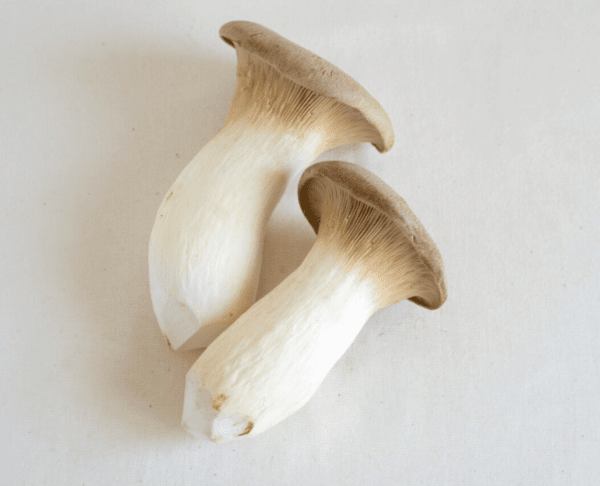
If it yields when you press it, the mushroom’s moisture structure has broken down
Fresh mushrooms are springy and bounce back when you press them. If they dent easily and the mark stays, the internal tissue has already weakened.
“Isn’t that just softness?”
Not quite. This isn’t normal softness — it’s the tissue collapsing. Moisture is escaping or decomposition has begun, and the mushroom has lost its natural spring.
When tissue weakens, spoilage speeds up
Mushrooms hold a lot of water, so once their structure collapses they start to spoil quickly. Even refrigerated, they won’t last long.
“Is a little bruising OK?”
That usually means the process is already underway. If you’re not eating them right away, it’s better to skip them.
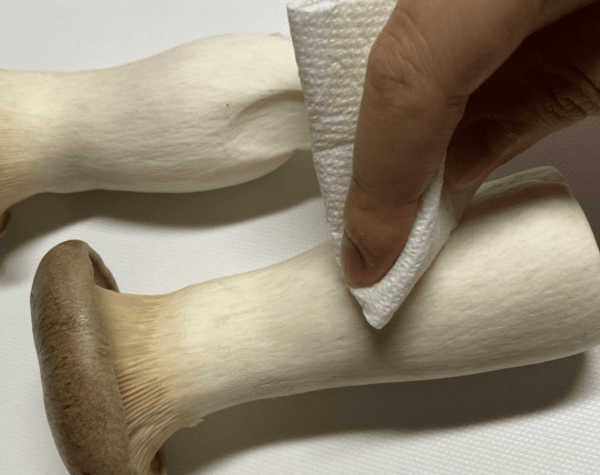
If the surface is dry or sticky, the moisture balance is off
If the mushroom’s surface looks overly dry, it’s already lost a lot of moisture. If it’s sticky, internal moisture has leaked out and turned slimy.
“Doesn’t stickiness mean it’s juicier?”
No. That’s not fresh juiciness — it’s the result of breakdown, and it signals lower quality.
Moisture changes are the fastest sign of decline
A mushroom’s moisture level is basically its freshness. Once that balance breaks, both texture and aroma suffer.
“Can’t I just wipe the surface clean?”
No — internal changes have already begun, and they affect flavor too.
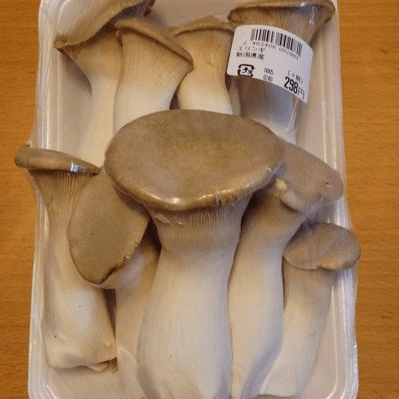
If the cap is open or heavily wrinkled, the mushroom has passed its peak
Mushroom caps naturally spread as they grow. When that process goes too far, gaps appear and wrinkles deepen.
“Isn’t a bigger mushroom better?”
Condition matters more than size. Mushrooms that are overly open are often past their freshest stage.
Over time, aroma and texture both decline
After growth ends, moisture evaporates and the tissue becomes coarse, which dulls the flavor.
“Won’t cooking fix it?”
Cooking can mask some flaws, but it won’t bring back the original texture or aroma.
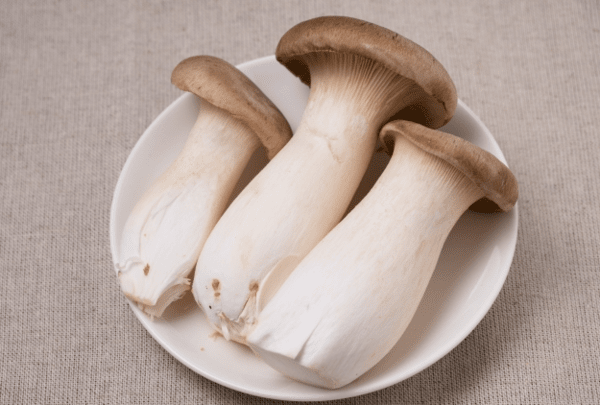
The three common factors are moisture and tissue changes
Denting, stickiness, and an open cap all signal internal changes. Once those things start, the mushroom has already lost freshness.
“There’s more to check than I thought”
It’s simple: look for bounce, surface condition, and shape — those three checks are enough.
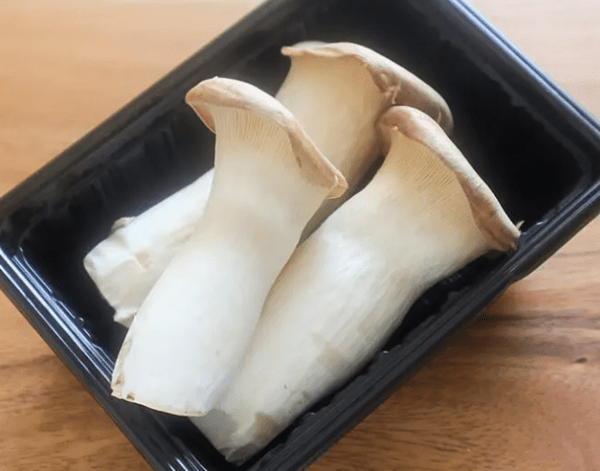
Ultimately, it comes down to springiness and moisture balance
Fresher mushrooms feel firm and slightly moist. Remember that, and you’ll pick better ones.
“I’ll pay more attention next time I pick them”
That’s all you need. Small differences can make a big impact on how a dish turns out.