The alley had always been there. In Sin-dang-dong Central Market in Jung-gu, Seoul, seafood restaurants, grilled-intestine joints, and raw-fish stalls pressed shoulder to shoulder. That familiar, timeworn scene—where vendors and older neighbors were raised on anchovy broth and Dashida seasoning—shifted the day Gosari Express opened in June 2024.
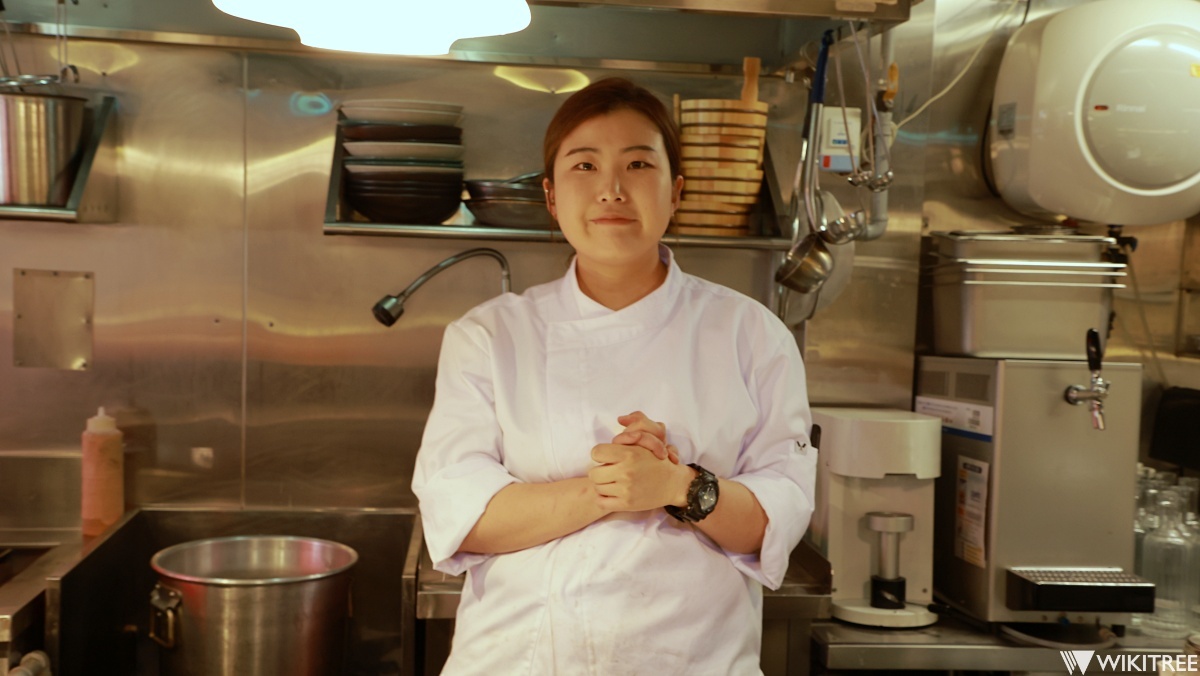
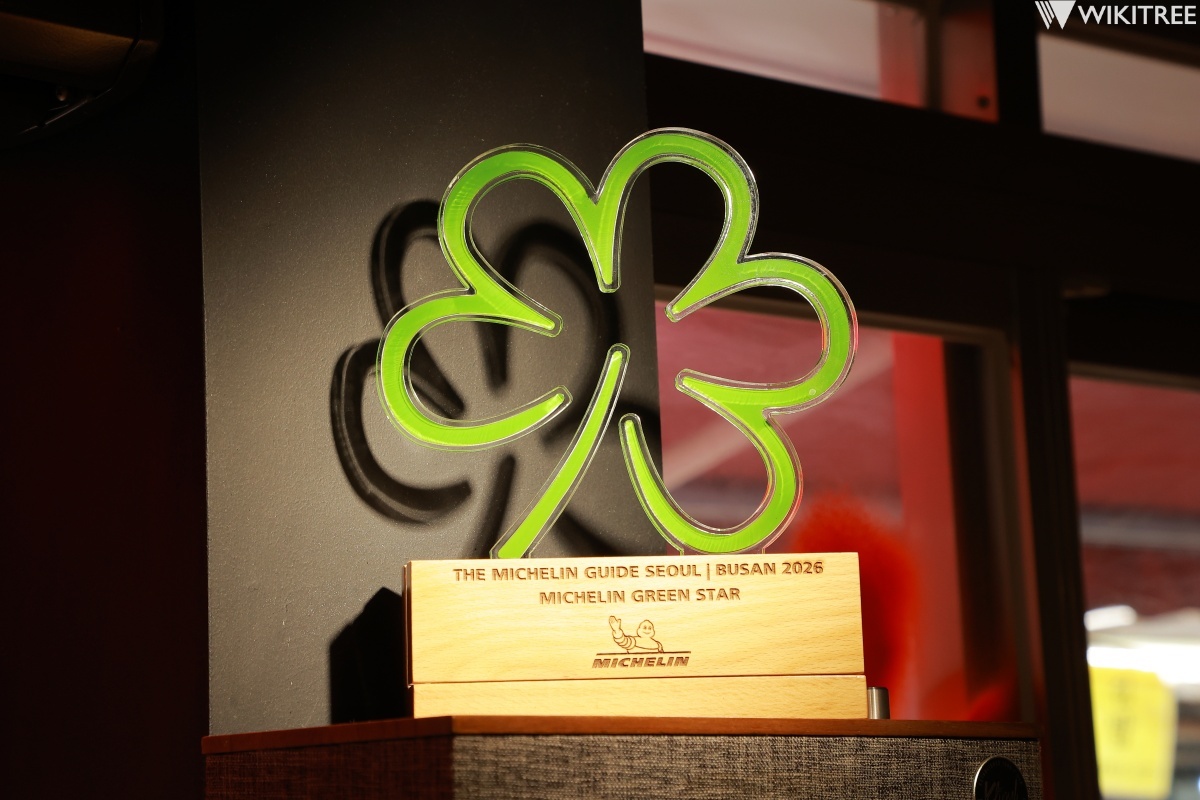
The change arrived quietly. A bowl of noodles with no meat began to get talked about, and soon market regulars were leaving bottles of makgeolli—Korean rice wine—at the shop with their names on them. It felt like the VIP “bottle-keeping” culture of club tables had migrated to a vegan noodle shop in Sin-dang-dong. In 2026, Michelin Guide Seoul awarded the tiny spot both a Bib Gourmand and a Green Star: delicious, affordable food and a commitment to sustainable dining. That rare double honor all started with a sauce that wouldn’t sell.
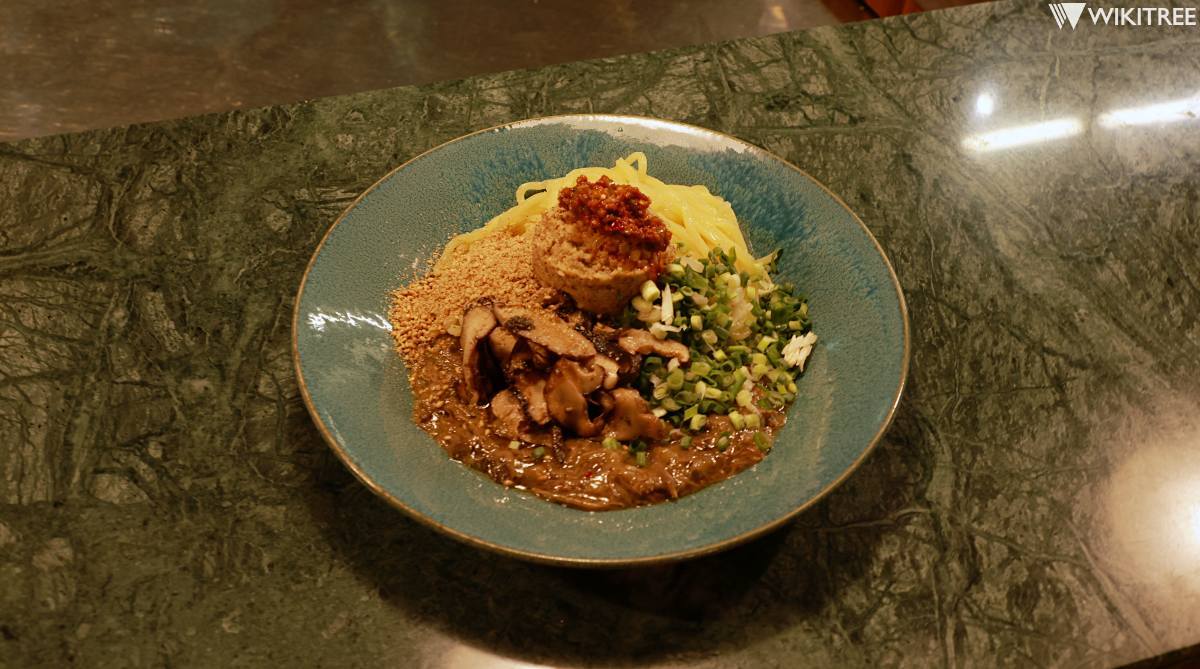
Chef Kim Je-eun didn’t first put out a dish—he launched a recipe. In 2023 his vegan startup Bad Carrot released a gosari sauce and meal kits, but the market reaction was cool. The unfamiliar flavor confused buyers, and mixed cooking skills led to uneven reviews. The more stories piled up about people who’d made it badly, the more determined Kim became to show the real thing himself.
“I thought of the story about Psy’s ‘Champion’—how no one sang it at first, so he did, and it blew up,” he says. That pushed him to cook and sell the food himself.
By chance, a one-year lease turned up in Mangwon-dong. The space had been prepped for an izakaya, but the landlord’s illness derailed the plan and he offered the fully equipped spot on a short-term lease. Kim opened a pop-up called Gosari by Bad Carrot there.
The menu was simple: one dish, gosari pasta. Each morning Kim bought 18–20 seasonal vegetables at Mangwon Market and let guests pick two. Pick potato and shepherd’s purse, and you’d get mashed potato and shepherd’s-purse dressed in doenjang. One sauce, endless combos. That novelty exploded on Twitter and crowdfunding platforms. In the under-10-seat space, monthly sales hit 30–40 million KRW (approximately $22,500–$30,000). Idol fans queued up. Still, Kim’s attention had already moved on.
“Mangwon-dong was already friendly to vegan food. Succeeding there didn’t prove mainstream appeal,” he says.
The warm reception in a vegan-friendly neighborhood made him uneasy. To sell the sauce for five or ten years, he needed to prove it in places where veganism wasn’t already established. That would be true proof of mass appeal.
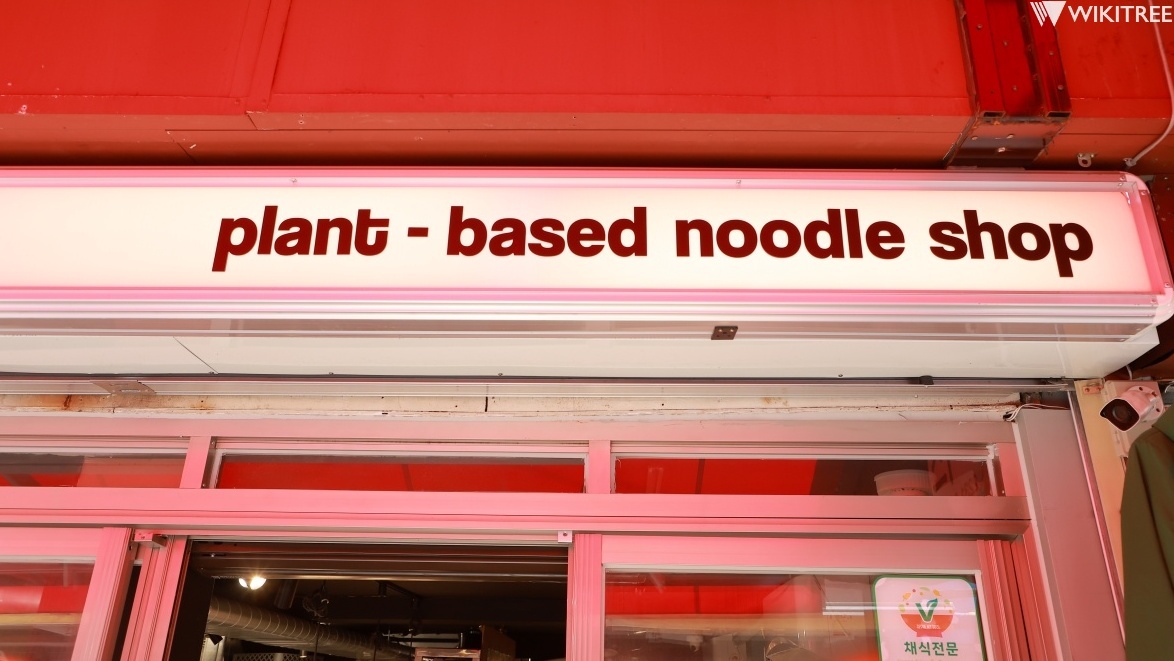
He set two rules: the spot had to attract every generation, and it couldn’t already be crowded with vegan restaurants. Sin-dang-dong Central Market met both. He planned to slide a vegan noodle shop between raw-fish stalls, meat restaurants, and intestine joints. The goal was modest: to be the name that pops up when someone says, “We’re in Sin-dang-dong—there’s a vegan place here. Want to check it out?”
He swapped pasta for noodles to fit the traditional market—localization in practice. Early fans complained and some left over the lost pasta. But new customers filled those seats: market vendors, grandparents pairing pancakes with beer, people who started leaving makgeolli bottles labeled with their names. The alley’s rhythm began to change.
Kim himself isn’t vegan. He says that actually helps—he can instinctively sense what non-vegans find satisfying and where they expect umami and richness. He believed winning over older palates would signal real success. The belief came from a blunt reality: even his parents didn’t prefer his sauce. That honest assessment pushed him to refine flavors for a broader audience.
Popularity brought lines. Instead of trying to erase the queue, Kim decided to make waiting part of the fun. In August 2025 he launched a proprietary waiting system and mobile game. Guests enter their name and number at a kiosk, get a game link via KakaoTalk, enjoy seasonal fruit as “waiting food,” and sit in provided chairs. Waiting became part of the brand experience.
At the end of that experience is the food: quick service, fair prices, and dishes anyone can eat. The name Gosari Express nods to Panda Express—the idea was to make vegan food feel as accessible and familiar as a ubiquitous fast-casual chain. The aim: lower the barrier to trying plant-based dishes.
Kim didn’t realize Michelin inspectors had visited—the shop draws many foreign guests, so he never suspected any of them were evaluators. “I went to the awards ceremony to have a good time, not expecting anything. Getting the Green Star surprised and overwhelmed me,” he says.
Kim is already working on the next chapter. The second location will be a vegan cha chaan teng inspired by Hong Kong breakfast culture. He’s leaning on ginger as a versatile staple, almost as ubiquitous as garlic. He’s experimenting with a vegan xiao long bao that uses a mushroom-and-kelp jelly instead of pork fat to recreate the juicy interior.
He also plans a tea made from guava leaves that farmers in Gunsan currently discard—an effort that blends carbon reduction with farmer support. It ties naturally to his ongoing pledge to plant a tree for every meal served.
Early on he kept hearing, “It won’t work,” “It’s too hard,” and “No one will come.” Without farm connections, sourcing raw gosari was a challenge. Building a stable supply chain took time. The negativity only strengthened his resolve. In the end, Kim proved it by skill: customers eat his food because it tastes good, not because it’s vegan. He showed that plant-based food can be an everyday table for anyone. That’s why we’re excited to see where this little shop in the Sin-dang-dong alley takes the map next.
“Our parent company is Bad Carrot, a vegan food startup founded in 2022. We developed gosari sauce and meal kits and started selling online in 2023, but response was underwhelming. Consumers found the product unfamiliar, and differing cooking skills led to disappointing reviews. Seeing those reviews pushed me: I wanted to cook it myself and show the true flavor. I thought of Psy’s ‘Champion’—how he sang it himself when no one else would, and it became a hit. I decided to sell the food directly, even if just for a few months.”
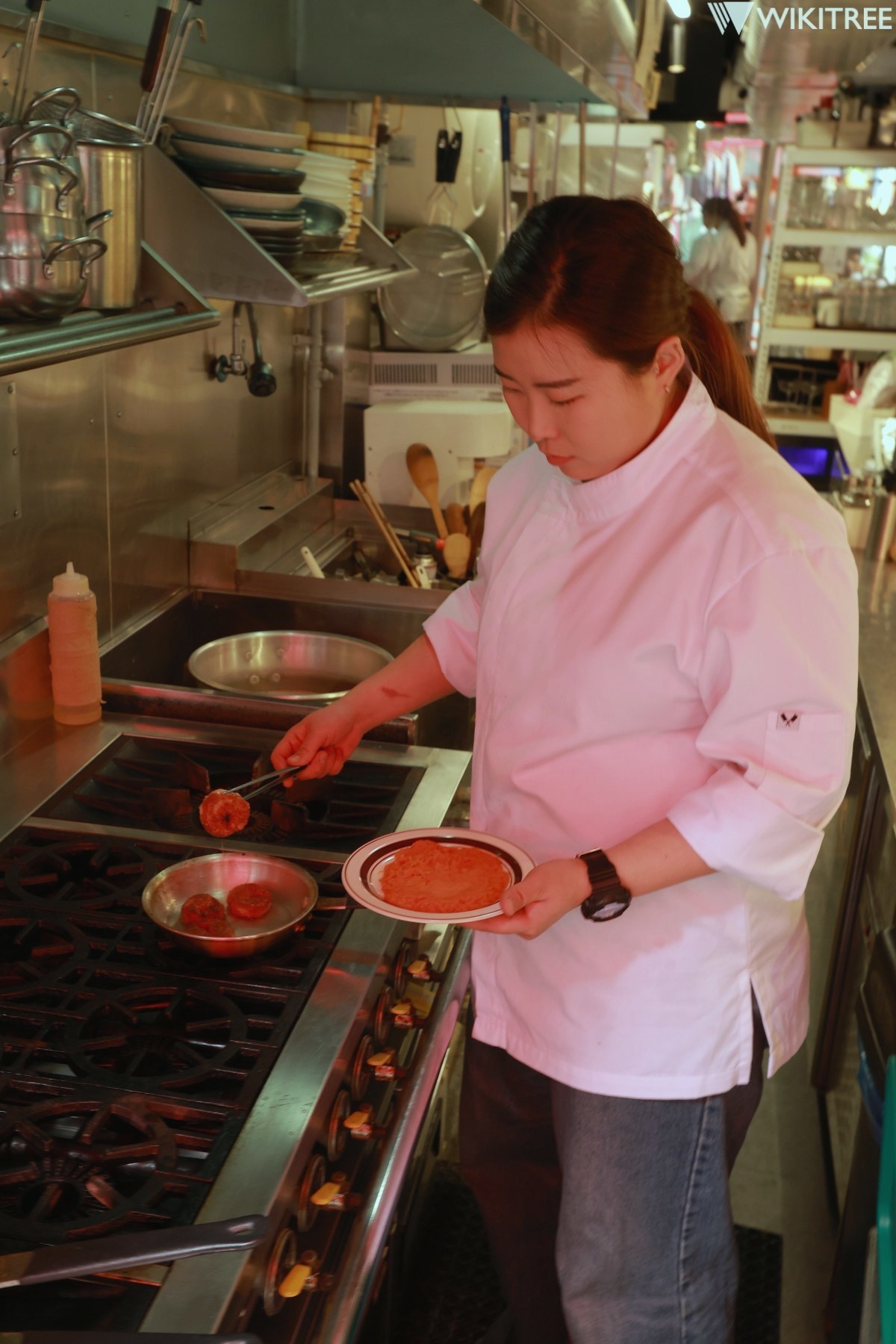
“I looked for a turnkey spot with no key money and found a one-year space in Mangwon-dong. The landlord had planned an izakaya, but illness derailed that, so he offered the fully equipped spot on a short lease. I opened a pop-up called Gosari by Bad Carrot. I’d never been to Mangwon-dong—I went because the conditions fit.”
“The gosari sauce stayed the same; the menu was one gosari pasta. Each morning Kim bought 18–20 seasonal vegetables at Mangwon Market and let customers choose two. If someone chose potato and shepherd’s purse, the potato became mashed potato and the shepherd’s purse was seasoned with doenjang. One sauce, different vegetable pairings—every plate felt new. That variety took off. Word spread on Twitter and crowdfunding platforms, and in a space under ten seats we earned 30–40 million KRW (approximately $22,500–$30,000) a month. Some regulars came six times a week.”
“After about nine months I realized Mangwon-dong was already a vegan-friendly market, full of plant-based spots and consumers who preferred vegan options. I hadn’t known that at opening—it became clear later. Success there didn’t prove mainstream appeal. Early fans skewed younger and already leaned vegan, so to sell the sauce for five or ten years we needed to expand into places where veganism wasn’t the norm.”
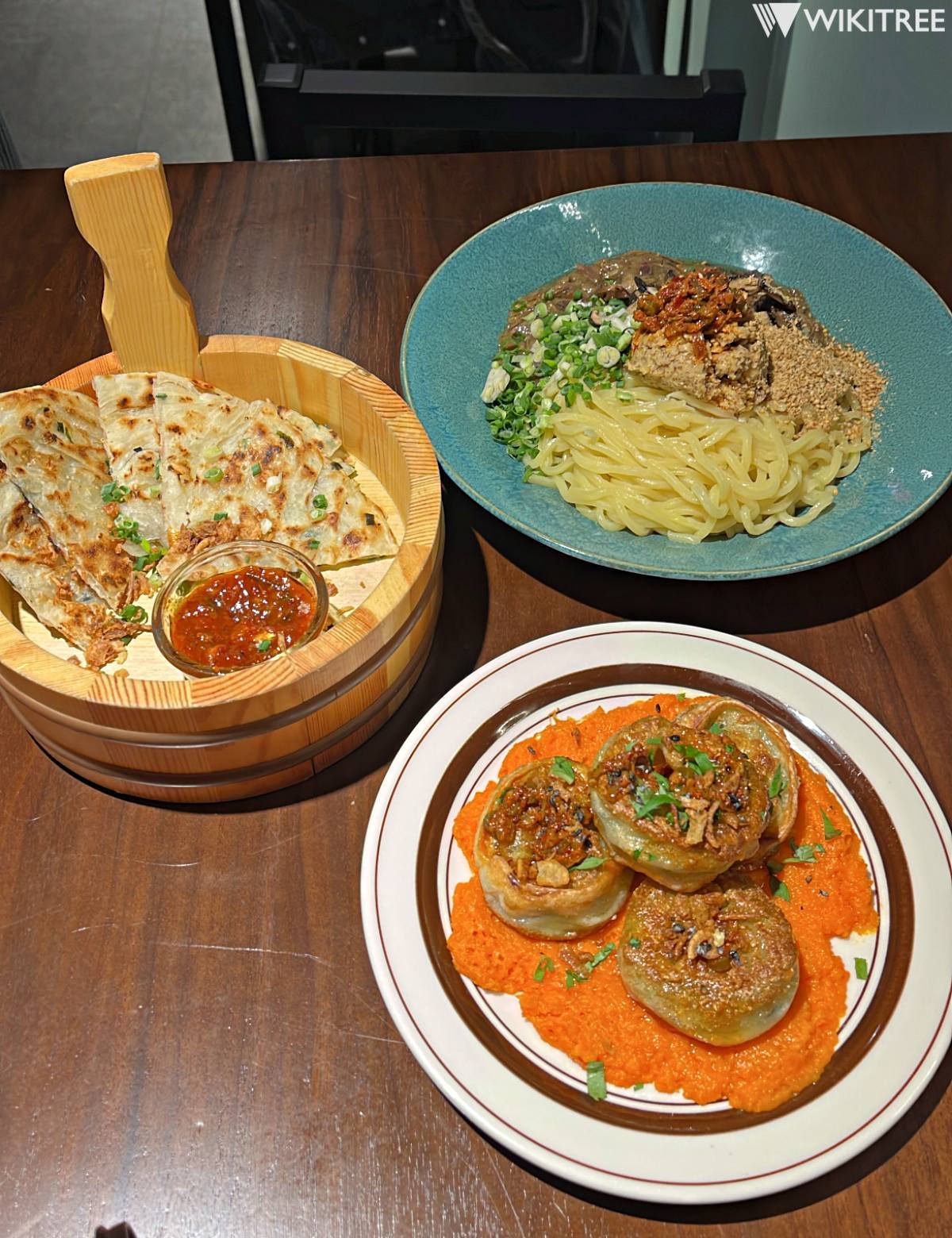
“Two things mattered most. First, the demographic: our audience had been concentrated in their 20s to 40s, but I wanted a place that drew all ages. A traditional market fit that. Second, the density of vegan restaurants: around Sin-dang-dong and Dongdaemun, there were virtually no notable vegan spots. Those two factors aligned, so I chose this location.”
“I saw it as an advantage. Winning elders’ palates would mean true success. Frankly, even my parents don’t prefer my sauce or meal kits—the flavor didn’t fit their tastes. If I couldn’t convince those closest to me, talking about mass appeal would feel hollow. I came in thinking: if it fails here, I’ll close the business. I was more afraid of burying the sauce and know-how I’d developed than taking that risk.”
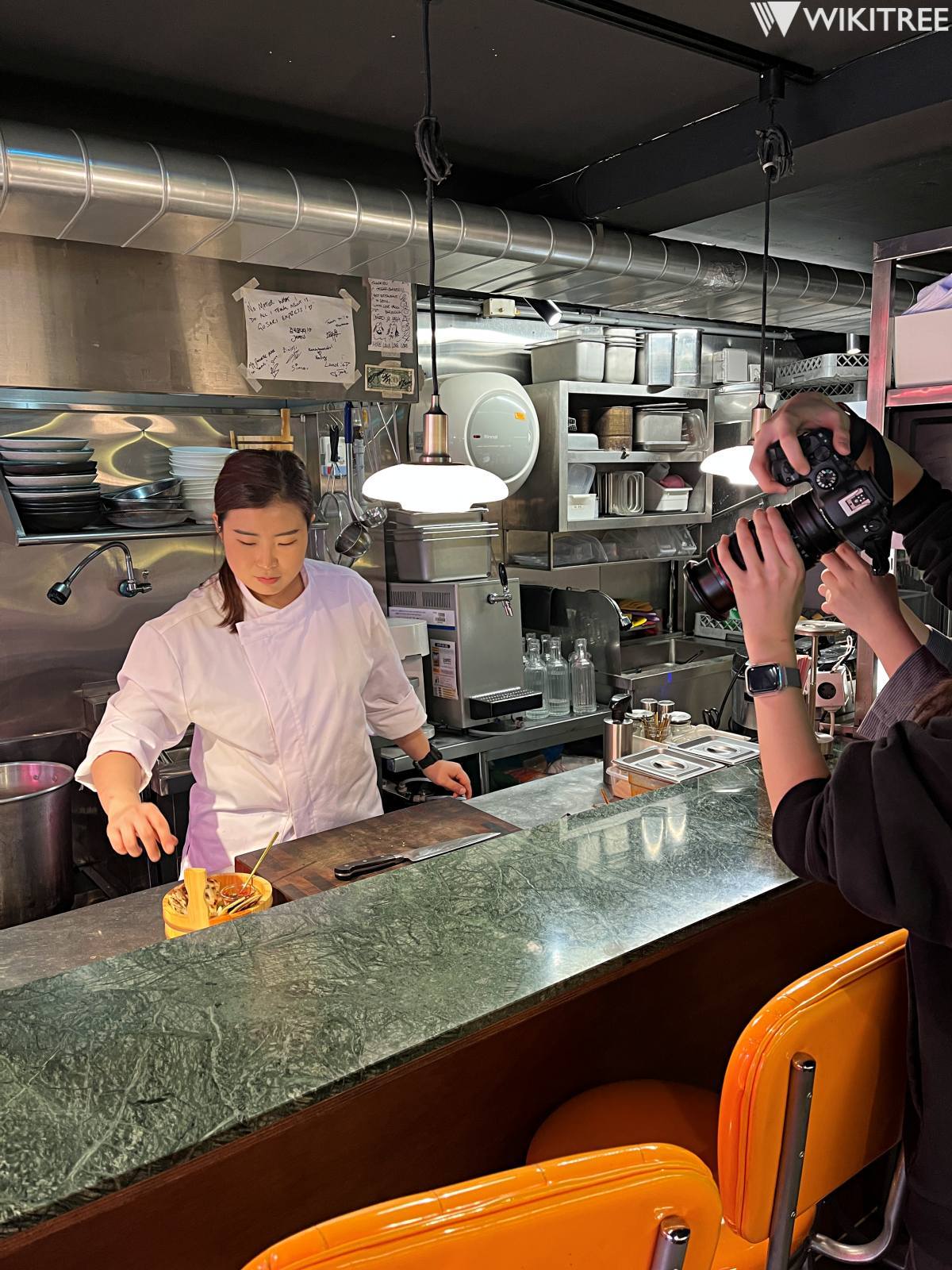
My goal was modest. This alley has raw-fish stalls, meat restaurants, and grilled-intestine joints. I wanted our vegan spot’s name to appear naturally among those choices—so someone might say, ‘We’re in Sin-dang-dong—there’s a vegan place here. Want to try it?’ I wasn’t aiming to be the top vegan spot; I wanted to show that vegan food can stand alongside everyday restaurants.”
“Serving pasta unchanged in a traditional market wouldn’t fit. We needed full localization. Switching to noodles cost some early fans—when we opened in June 2024 we heard many complaints about losing the pasta, and that was stressful. But a pop-up and a permanent restaurant are different: a pop-up can push one menu, whereas a full restaurant needs reproducibility and the potential for multiple locations. I designed the menu for versatility and consistency. Even though some customers left, new ones arrived.”
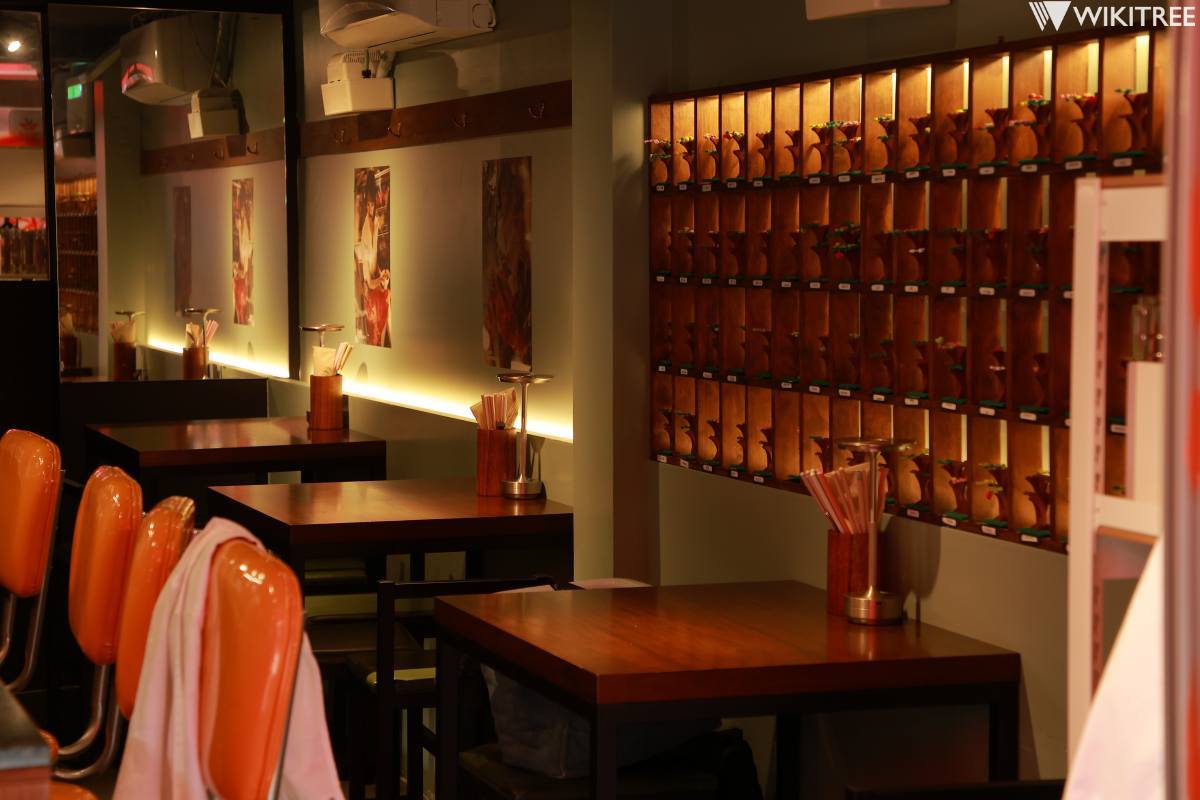
At first we ran 11 a.m. to 11 p.m. with no break because customers were few. Then grandparents started coming, ordering pancakes and a beer or a bottle of makgeolli, and found it novel. Soon they began leaving labeled bottles at the shop—like VIP bottle-keeping in clubs. Because we stock a variety of regional makgeolli that can be pricey, older customers often couldn’t finish a bottle at once, so leaving bottles became a natural habit. That’s when I felt the shop had really integrated into the neighborhood.”
“Not at all. With so many foreign customers, I never suspected any were inspectors. I went to the awards ceremony without expecting anything, just to enjoy the night. Receiving the Green Star shocked and overwhelmed me.”
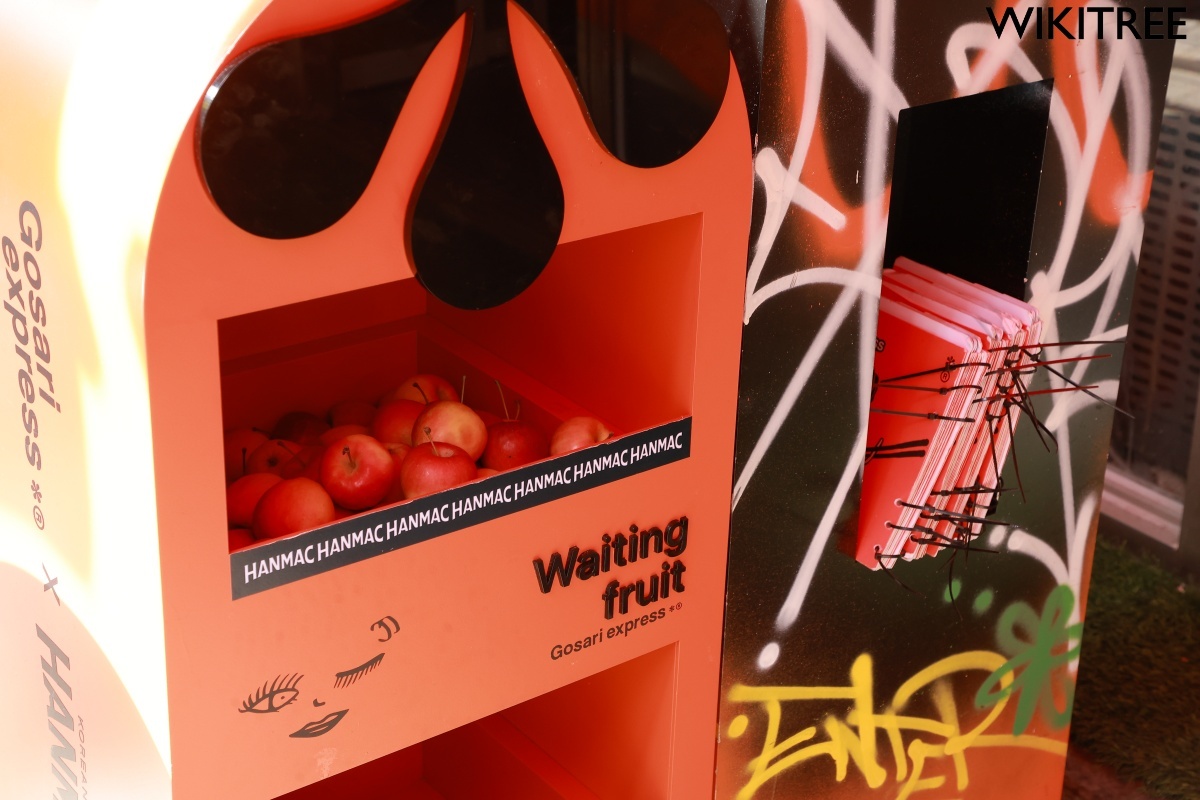
As popularity grew and waits lengthened, I didn’t want customers to waste that time. We could have used a standard reservation app, but I wanted to design our own experience. So in August 2025 we launched a proprietary waiting system and a mobile game. Customers enter their name and number at a kiosk and receive a game link via KakaoTalk. We offer seasonal fruit while they wait and provide seats so waiting itself becomes part of the brand experience.”
“Being non-vegan helps me instinctively know what non-vegans like and where they feel something’s missing. More than half our visitors are non-vegans. When they tell me our food tastes good, I feel most rewarded. My core value is making food that anyone—vegan or not—can enjoy.”
“People told me ‘it won’t work,’ ‘it’s hard,’ and ‘no one will come’—I heard that a lot. Without farm connections, sourcing raw materials was tough. Building a stable supply chain for gosari took time. Those doubts fueled my determination, and I committed to proving the concept with skill.”
“Foreign customers—especially Americans—tend to scrutinize ingredients and nutrition and share that information widely. That’s an opportunity for us. When we explained gosari sauce in detail in the U.S., the response was very positive. For exports, we marketed gosari as temple food and a ‘super root,’ one of the oldest wild plants on Earth, and it resonated. Our gosari oil sauce also earned a U.S. FDA vegan certification. Those wins built our confidence in the global market.”
“We’re building a vegan cha chaan teng inspired by Hong Kong breakfast culture. I’m painfully slow to wake up, but thinking about a great breakfast gets me moving—so I want to give people a reason to get out of bed. The second location will run from 8 a.m. to 3 p.m., and we’re centering dishes around ginger, which I see as nearly as versatile as garlic. We’re developing a vegan xiao long bao that recreates the soup using a mushroom-and-kelp jelly instead of pork fat, and we’re studying dim sum techniques intensively. We’ll also introduce tea made from guava leaves that farmers in Gunsan currently discard—I visited guava farms to test feasibility. This ties carbon reduction to farmer support. We’ll continue planting a tree for every meal.”
Your daily personalized fortune report! How will your day go?