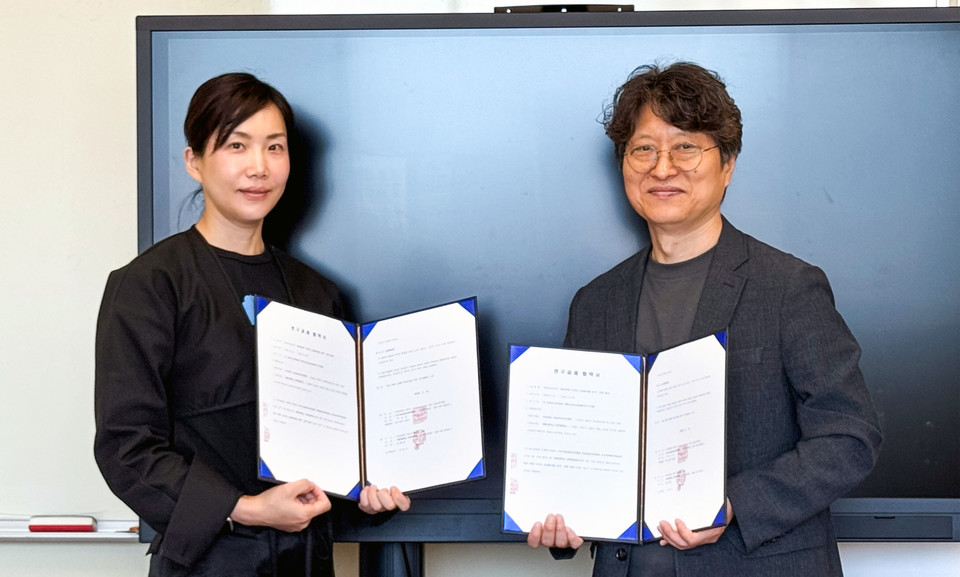
[World Today reporter Kim Se-hwa] Sejong University (President Eom Jong-hwa)’s Fashion Design Department has partnered with the Seoul Gwangjin Garment Manufacturing Small Business Support Center to launch the Gwangjin Specialized Product Development Support program, which helps local small-scale garment makers design and bring new products to market.
The program is intended to strengthen planning and design capabilities among garment manufacturers in Gwangjin District and to accelerate production and market entry through university-industry collaboration. A central aim is to reduce upfront production costs while leveraging Sejong’s design expertise so local makers can build stronger, homegrown brands.
Fifteen small garment firms in Gwangjin were selected for the program. Working with Sejong University, they’ll receive support across the full development process — from product planning and sourcing fabrics and components to pattern making and sample production. Each participating company must develop at least five new styles, and by using local resources like the Gwangjin Complex Support Center, they can improve cost efficiency and increase productivity.
Sejong will bring together faculty, fashion design students, and young startup designers to collaborate on practical yet creative pieces, and the university will back initial sample production. For students, this is a hands-on opportunity to gain real industry experience and contribute creative work directly tied to the regional manufacturing sector.
Product development and reporting are scheduled to finish by November, with commercialization analysis and follow-up support running through the end of the year. Organizers expect the initiative to become a model of mutually beneficial university-industry cooperation and to boost Gwangjin’s competitiveness in the fashion industry.
Yang Seung-min, president of the Seoul Gwangjin Garment Association (the center’s operator), said, “This project goes beyond simple financial aid. It will strengthen local manufacturers’ branding capabilities and, over the long term, enhance the competitiveness of the fashion industry. We will work closely with Sejong University to deliver both creative design and concrete results.”