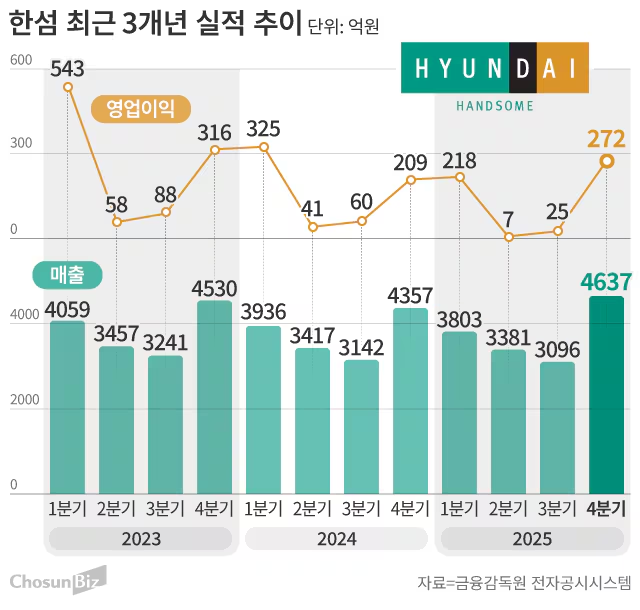
Hansem, the fashion arm of Hyundai Department Store Group, is finally emerging from a prolonged slump and pushing for a real turnaround. After recording year‑over‑year declines in both sales and operating profit for 10 straight quarters from Q2 2023 through Q3 2025, the company bounced back in Q4 last year. Department‑store shoppers are warming up to fashion again, and the pressure from older‑season inventory (items more than a year old) is starting to ease, helping the overall market recover.
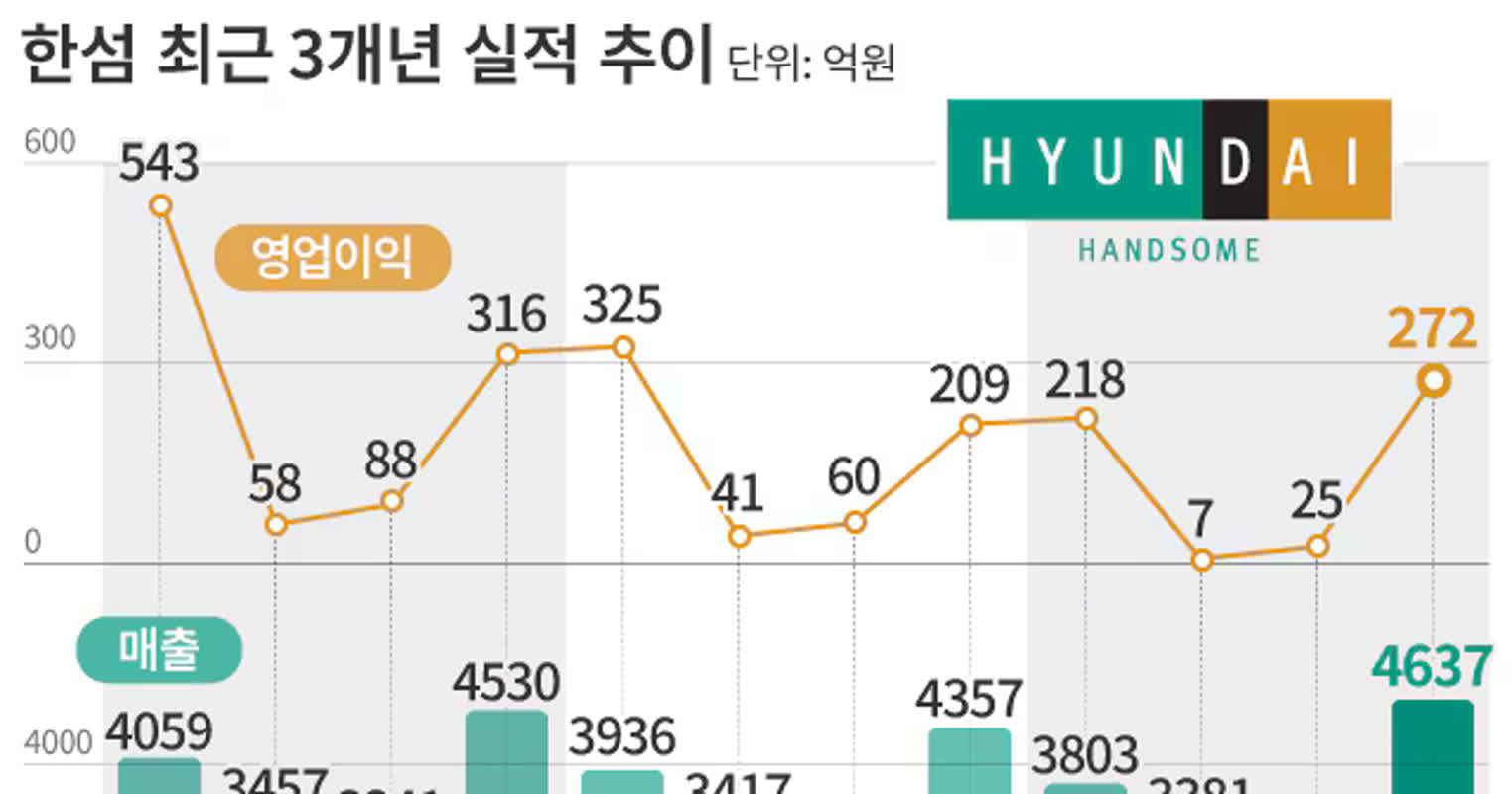
On the 12th, the Financial Supervisory Service’s electronic disclosure system (DART) showed Hansem reported Q4 revenue of 4,637 hundred million KRW (approximately USD 347.8 million) and operating profit of 272 hundred million KRW (approximately USD 20.4 million). Those figures represent a 6.4% rise in revenue and a 30.1% jump in operating profit from the same period a year earlier. It’s the first time both sales and operating profit have increased year over year in 11 quarters since Q1 2023.
Hansem’s slowdown was driven by weak fashion spending coupled with heavy inventory. High interest rates and rising prices dented consumer confidence, and unseasonably warm winter weather cut into seasonal apparel sales.
Inventory growth also squeezed margins. Hansem’s inventory rose from 6,105 hundred million KRW (approximately USD 457.9 million) at the end of 2023 to 6,243 hundred million KRW (approximately USD 468.2 million) at the end of 2024, and it peaked at 6,797 hundred million KRW (approximately USD 509.8 million) in Q3 last year. When sales slow, fashion inventories stack up quickly, and seasonal items typically get cleared through outlet channels and deep discounts. Since 2023, an increase in older‑season stock pushed Hansem to expand outlet sales and promotions, which weighed on profits.
Still, Hansem made significant headway in Q4: carryover item sales jumped 8% year over year, helping the company sharply reduce excess stock heading into this year. Yoojung Hyun, an analyst at Daishin Securities, said, “Hansem cleared all of its older‑season inventory in Q4 last year. We’ve entered a phase where sales and margins should improve notably.”
Along with easing inventory pressures, department‑store fashion sales are gradually picking up. Hansem sells its key labels—TIME, MINE, SYSTEM and SJSJ—mainly through department‑store channels.
According to the Ministry of Trade, Industry and Energy, sales of women’s suits at domestic department stores rose 21.1% in January compared with the same month last year. Women’s casual wear and men’s apparel increased by 17% and 11.6%, respectively. Analysts attribute the gain to customers regaining spending power—partly supported by government measures to stabilize markets—leading more shoppers to splurge on higher‑end department‑store pieces.
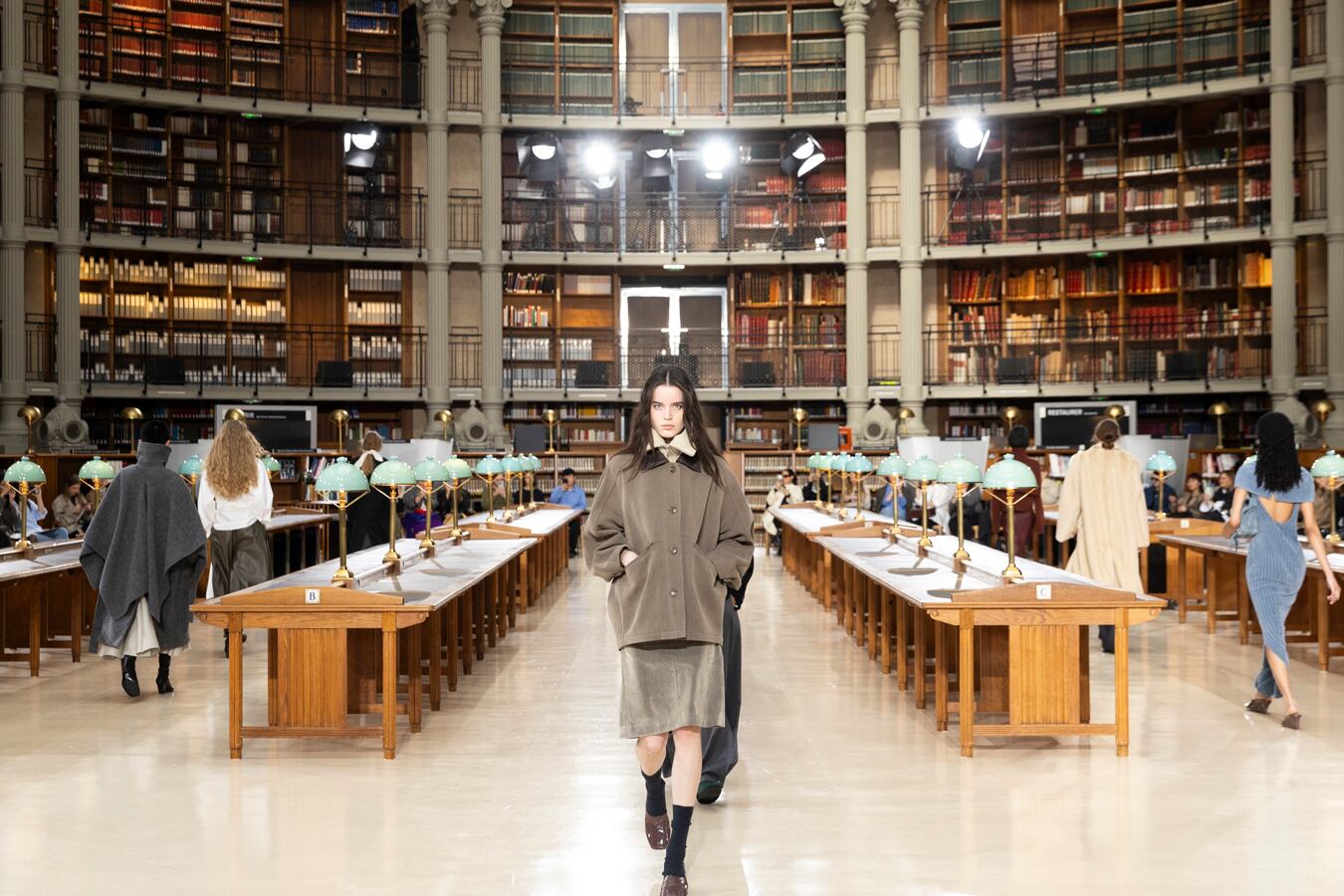
Hansem is also sharpening its brand strategy both at home and abroad. TIME, the company’s flagship women’s label, recently became the first Korean ready‑to‑wear brand to appear on the official Paris Fashion Week calendar—an important milestone, given Paris’s standing alongside London, Milan and New York as one of the fashion world’s top stages.
To secure that spot, Hansem set up a dedicated design studio for TIME’s global collection in 2020. From 2024 onward, it staged off‑calendar presentations during Paris Fashion Week to showcase products to overseas buyers and industry insiders, part of multi‑year groundwork behind the scenes.
Expanding beyond Korea and Europe, Hansem staged a SYSTEM and SYSTEM HOMME show in Bangkok last September as it tests the Southeast Asian market. The company is pursuing wholesale agreements with Thai retailers and plans to grow customer touchpoints through pop‑ups and permanent stores in Thailand.
Last month, Hansem opened a mixed‑use flagship called “The Hansem House Seoul” in Daechi‑dong. The space combines showrooms, exhibitions and immersive brand experiences under one roof. In its first 30 days, sales hit 120% of the target, signaling a strong local debut.
An industry insider said, “We’re seeing fashion consumption recover, led by department‑store channels. Companies like Hansem—with a high share of women’s department‑store brands—are likely to feel the benefit of improving results sooner than others.”