[Green Economy News = Jo Ara Cho, Reporter]
Tucked into Gangseo-gu, Seoul, a tiny clothing shop of roughly 50 pyeong (about 1,780 sq ft) sells women’s pieces that never made it to full-price racks — returns, overstock, and other inventory leftovers. Even the priciest items rarely top 20,000 KRW (about $15).
Here, a basic T‑shirt goes for 3,000 KRW (about $2.25) and jeans for 5,000 KRW (about $3.75). Compared with mainstream stores where SPA-brand basics carry 20,000–30,000 KRW price tags (about $15–$22.50), this place feels like another world. But even this bargain haven hasn’t escaped the current economic chill.
When I dropped by on the afternoon of the 24th and asked the shop’s owner, a middle-aged woman identified as A, how business was, she hesitated: “The economy isn’t good…” She explained that large quantities normally flow through mainstream channels before trickling into shops like hers. These days, with consumers cutting back, manufacturers are producing less. That means fewer goods make it to her store, so there’s simply less stock — and fewer items that customers would actually want.
You could see that cooling effect in the distribution sector even on Christmas, usually a prime shopping day. When I visited Mario Outlet in Geumcheon-gu after 6 p.m. on the 25th, the mall didn’t feel busy for a holiday.
Small groups were out shopping for the holiday, but it never felt crowded. B, a woman in her 20s who lives nearby and comes to Mario Outlet often, said she was surprised by how few people were there. “I guess the economy really is bad these days,” she observed.
Fashion is one of the first industries to react when the economy sours. People tend to buy clothes for style or trends rather than necessity, so when budgets tighten, apparel is often one of the first categories consumers trim.
The numbers back that up. Statistics Korea’s 2025 Q2 Household Trend Survey shows that real consumer spending in Q2 fell to its lowest level since the COVID‑19 pandemic. Among spending categories, semi‑durables — clothing, footwear, bags, and exercise‑related goods — saw a 4% decline from the previous quarter.
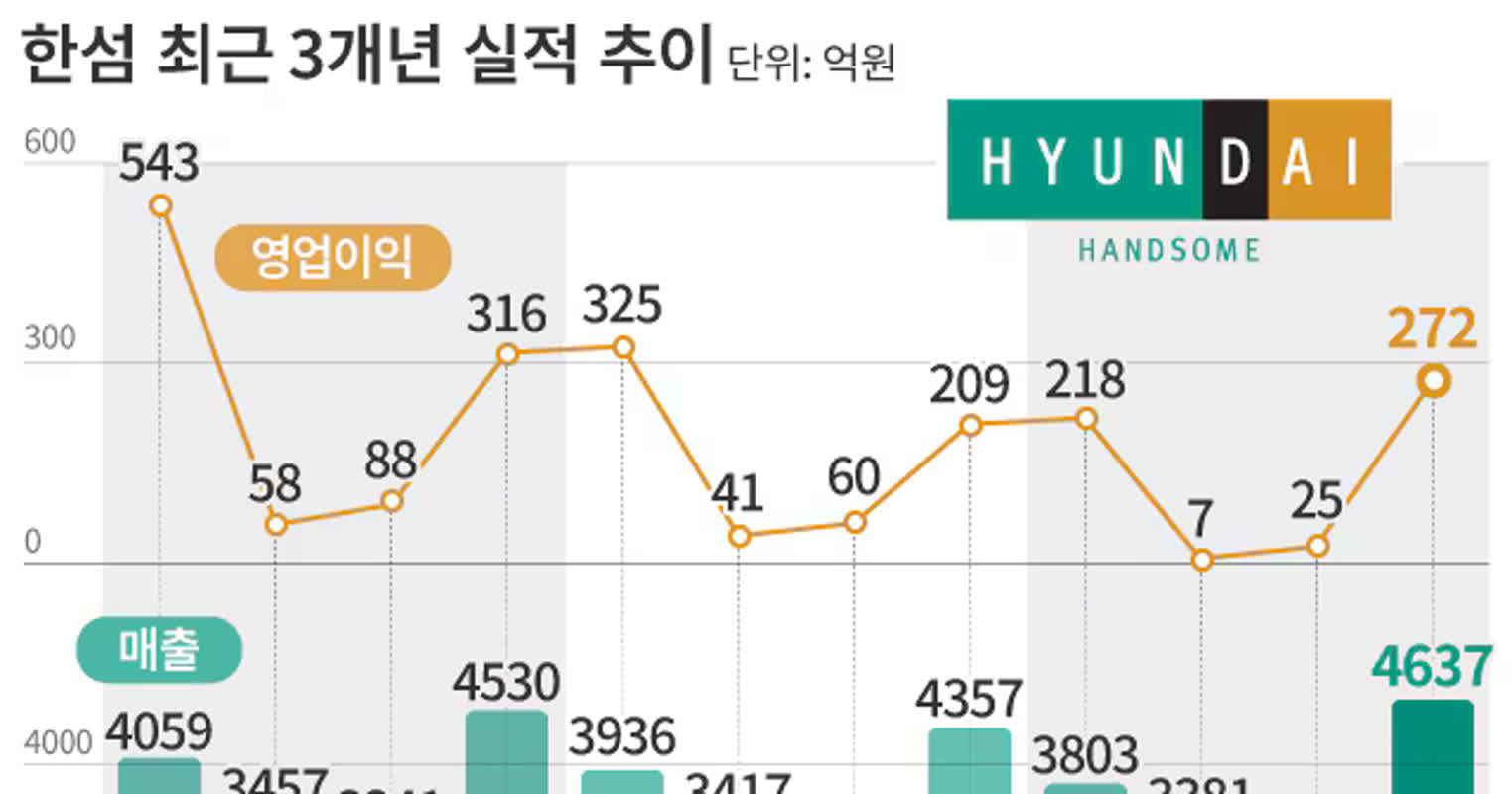
Those trends show up in corporate earnings, too. Samsung C&T’s fashion division posted cumulative sales of about 1.459 trillion KRW (about $1.09 billion) and operating profit of 79 billion KRW (about $59.25 million) for the first through third quarters. Sales were down 0.3% year‑on‑year, while operating profit slid 37.8%. Hansome reported sales of about 1.028 trillion KRW (about $771 million) and operating profit of 25 billion KRW (about $18.75 million) over the same period — declines of 2.1% and 41.3%, respectively.