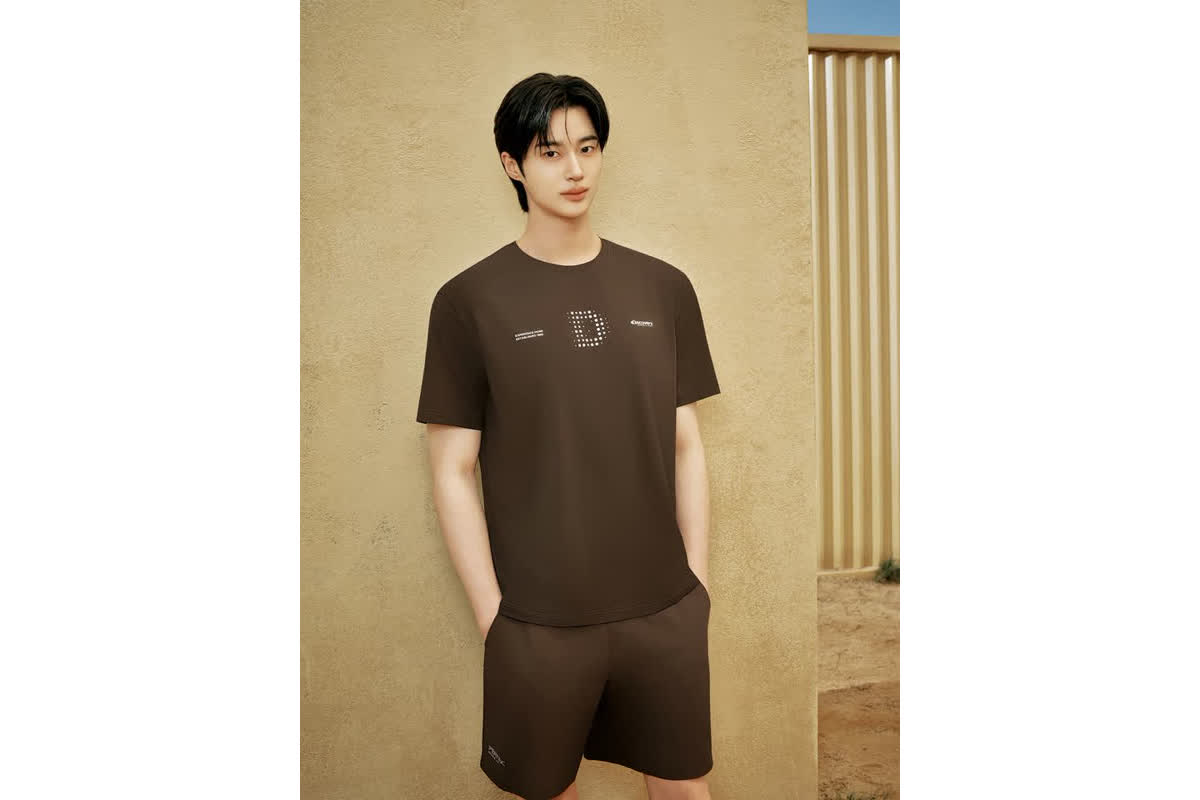
South Korea's men's fashion market is being reshaped around fit and styling. Brands are moving beyond uniform, suit-heavy assortments by pairing body-aware construction with ready-made outfit suggestions, shifting competition from individual products to the broader shopping experience.
Historically, shoppers bought tops, bottoms and outerwear separately, which meant customers had to assemble looks themselves and often ran into fit problems because global sizing standards didn't reflect local body shapes.
Now brands are addressing those gaps. They're folding outfit curation into product planning and prioritizing silhouettes and versatility tuned to real body types—turning transactions into styling solutions that make shopping easier.
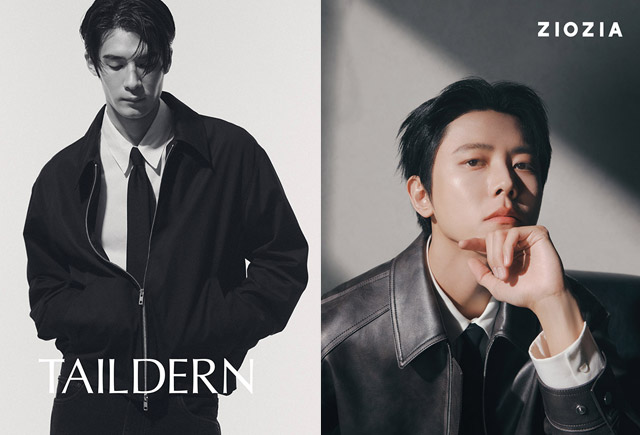
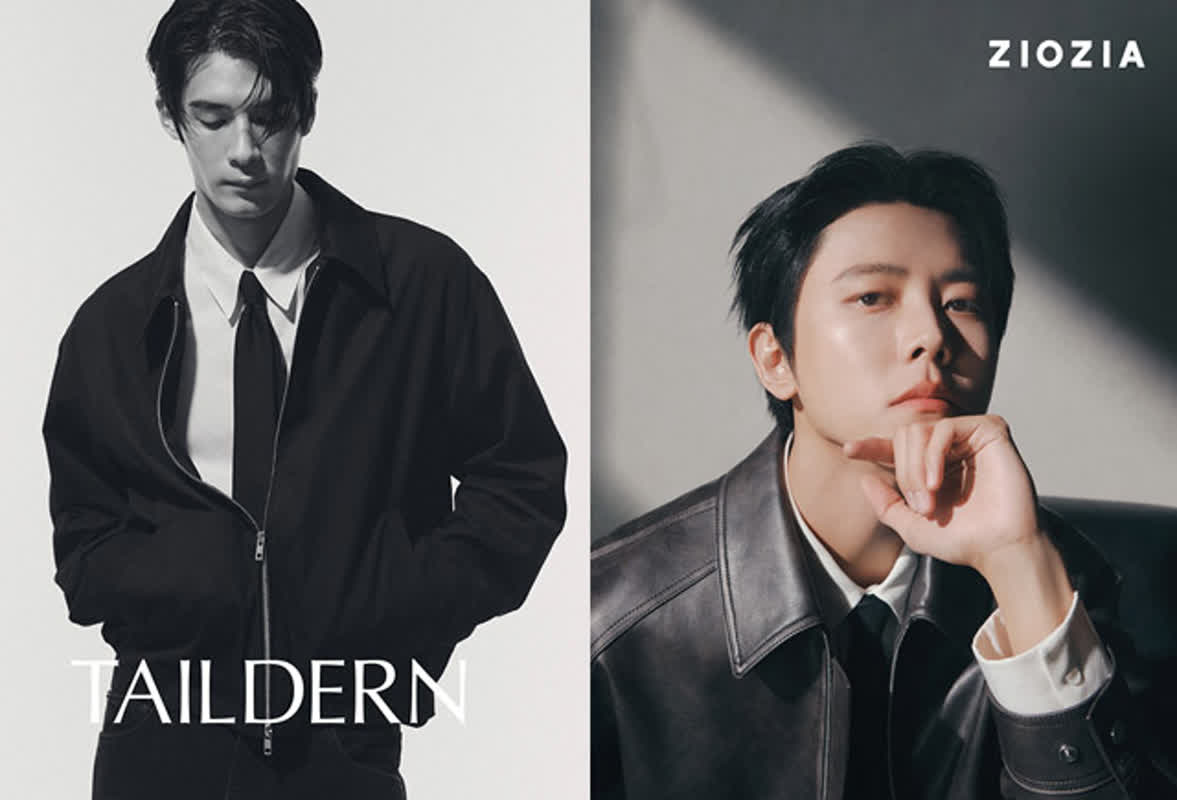
Brand incubator HAGO HAUS has answered that shift with a new men's label, TAILDAWN. TAILDAWN targets men in their 30s and 40s and blends curated styling with designs driven by body-shape considerations.
HAGO HAUS brought stylist Park Taeil on as creative director to focus on real-world wearability. The label launched pre-styled looks so shoppers can buy complete outfits instead of hunting for individual pieces. It also leans on classic, wardrobe-friendly items and controlled production runs to keep inventory efficient.
Product development follows the same logic. TAILDAWN applies patterns crafted for Korean male body types to create silhouettes suitable for everyday life and office settings, and it positions its price point between fast-fashion chains and traditional men's labels. TAILDAWN plans to begin expanding its offline presence on April 2 at the LOTTE Department Store in Jamsil.
Other brands are making similar moves. Shinsung Tongsang's men's label ZIOZIA has shifted away from suit-centric assortments toward business-casual looks that pair setup jackets with denim. Those items have driven sales, and the brand has notably expanded looser silhouettes like wide slacks.
KOLON FnC's brands have also introduced transitional outerwear centered on a "timeless fit." Practical, body-conscious field-jacket styles are emerging as a key trend. Henry Cotton's saw outerwear sales rise, and lines like Series and 24/7series responded with pieces that emphasize materials and functional details.
Classic-focused labels are adapting too. Sejung Group's men's brand Bruno Baffi is blending formal and everyday styles with a practical collection centered on suits and innerwear, widening styling options to increase the usefulness of individual pieces.
Casual brands have joined the shift. 8 SECONDS from Samsung C&T Fashion Group has expanded its lineup to include gender-fluid pieces alongside commute-ready styling. With men's sales steadily growing, certain item groups are now pulling overall performance.
The men's market is clearly reorganizing around fit, styling and versatility. More brands are combining styling guidance with product design, and as strategies diversify across the industry, a brand's ability to show customers "how to wear it" will likely become a decisive competitive advantage beyond the product itself.
▶ BKR: “Record-high sales of 892.2 billion KRW (approximately $669.2 million)… Burger King and Tim Hortons continue to grow”
▶ Men's apparel market reorganizes around 'fit, styling and experience'…strategies diversify
▶ Coupang to join International Logistics Industry Expo: “We aim to bring nationwide Rocket Delivery by 2027”