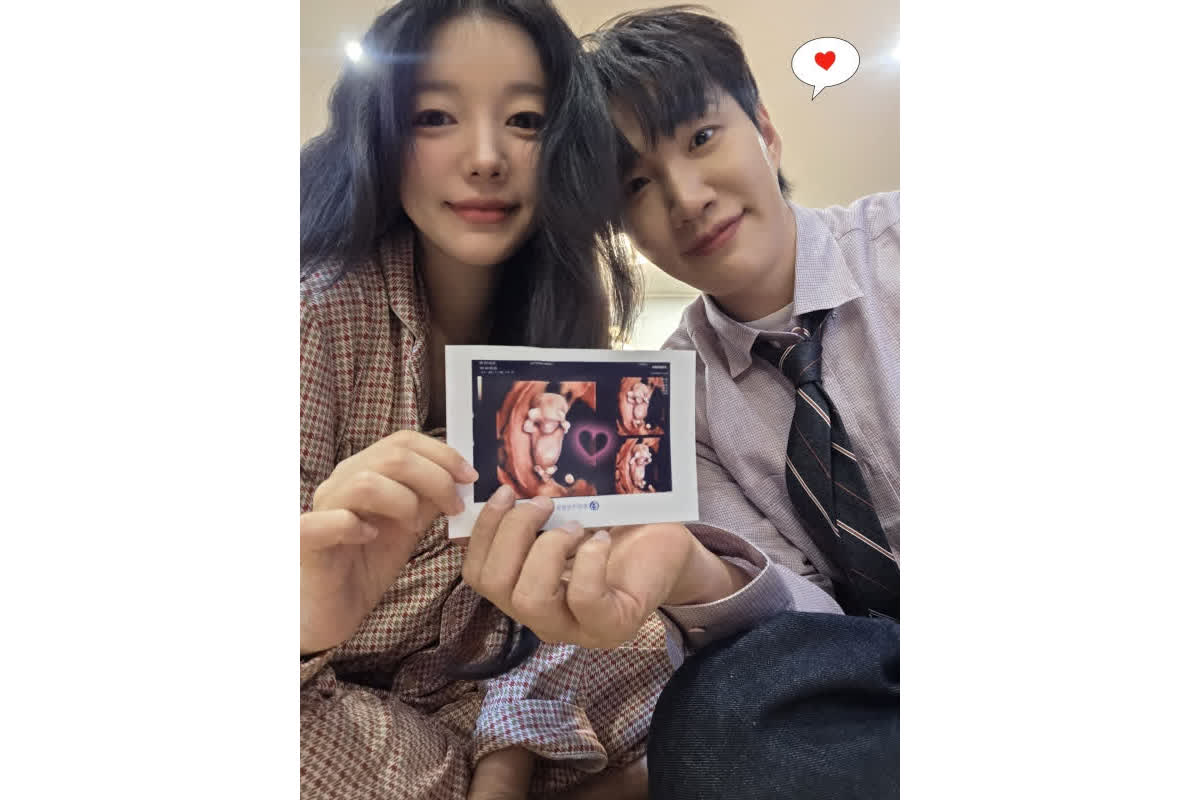
Singer and actor Jung Jin-woon has officially withdrawn from the musical 'Yumi's Cells.' Sam Company, the production firm, said on its official social channels on April 16 that Jung, who had been slated to play Cell 109, will not appear in this run because of scheduling conflicts.

Withdrawal Cited as Scheduling Conflict
The production company said Jung, originally cast as Cell 109, cannot join this production because of conflicting commitments. It added that a replacement will be announced once additional casting is finalized.
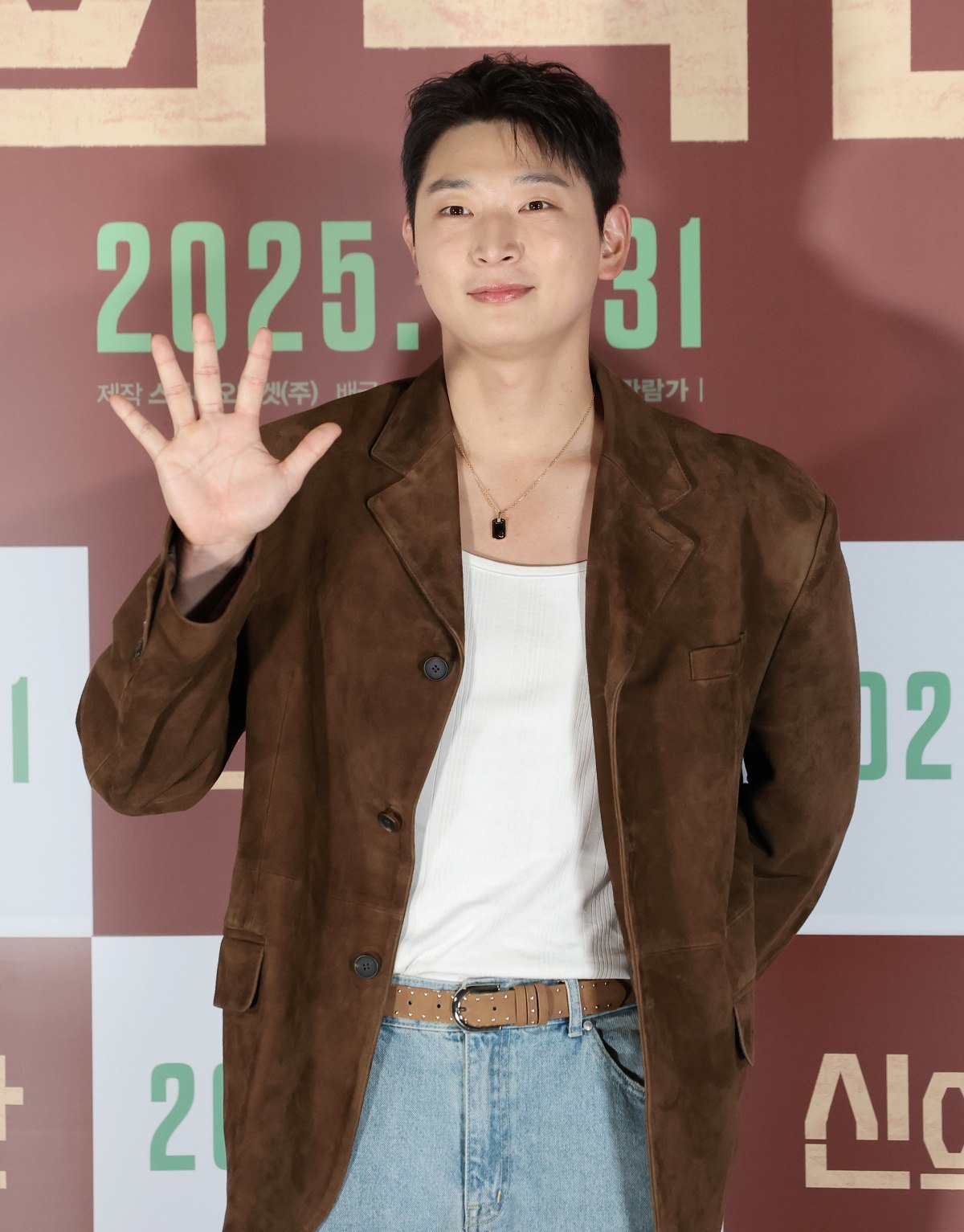
Jung first attracted attention when his name appeared on the 'Yumi's Cells' casting list on April 3. The role of Cell 109 does not appear in the original webtoon; the production created the mysterious character for the stage and had double-cast it with Jung Taek-woon (Leo), generating anticipation. About two weeks after the casting news, however, the company announced his sudden departure.
Recreating the Webtoon's Distinctive World on Stage
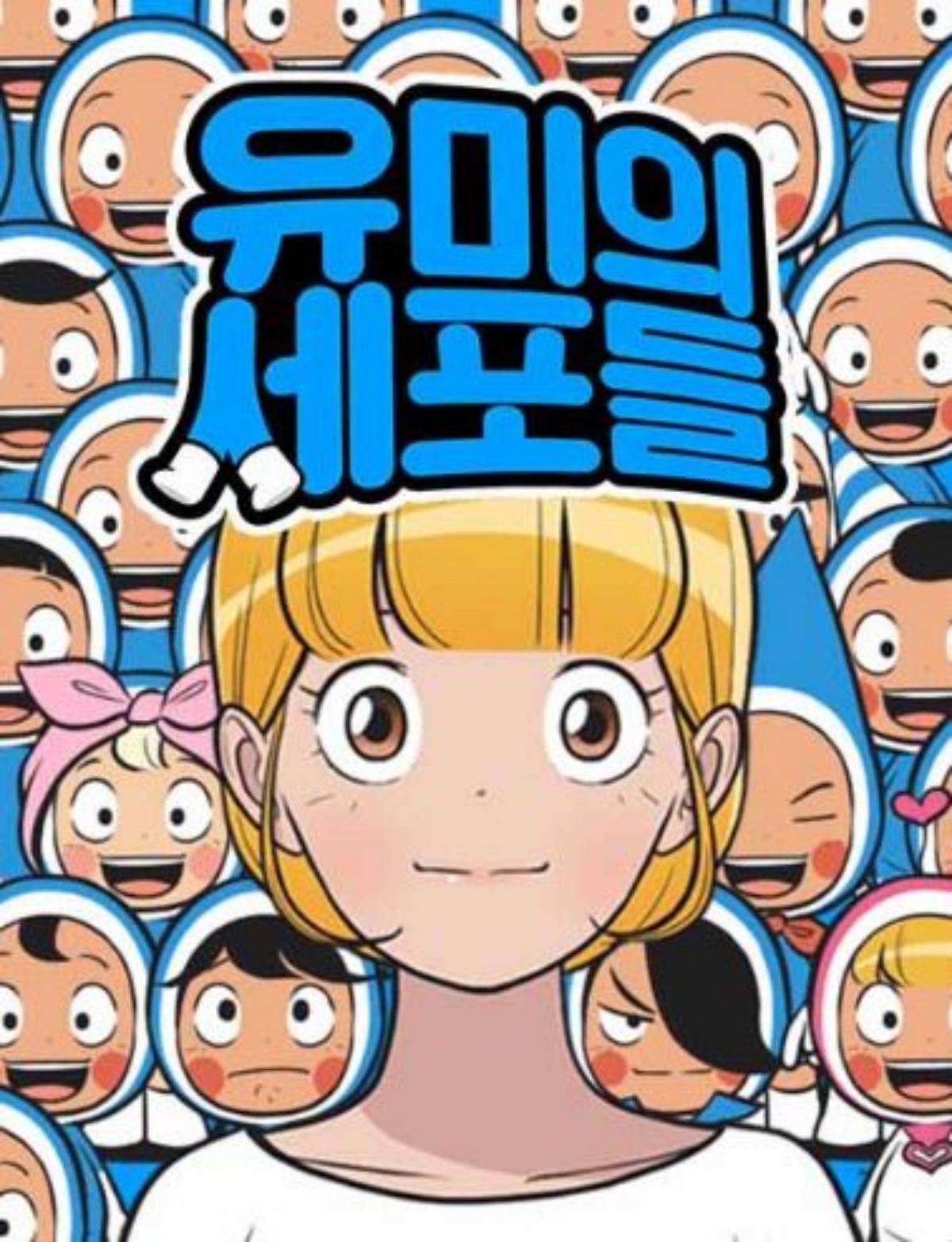
The musical 'Yumi's Cells,' adapted from Lee Dong-gun's webtoon of the same name—which has accumulated 3.5 billion views—follows protagonist Yumi's daily life and romantic life from the perspective of the cells in her head. For the stage version, the production says it will reimagine the story of an ordinary office worker using fresh theatrical language.
Tiffany Young and Kim Ye-won will alternate in the role of Yumi, while Kim So-hyang and Yuria join the cast as the Love Cell. The producers said the casting change reflects their commitment to delivering a more polished production for audiences.
'Yumi's Cells' will run June 30 through Aug. 23 at the CJ Towol Theater at the Seoul Arts Center in Seocho District.
▶The Language of Everyday Emotion: A Look at the Original 'Yumi's Cells'
'Yumi's Cells,' written by Lee Dong-gun and serialized on Naver Webtoon, portrays a woman's everyday life and inner emotions in a distinctly original way. The series ran from 2015 to 2020 and maintained steady popularity throughout its run. It has accumulated more than 3 billion views and has become one of Korea's standout webtoons.
The story centers on Yumi's daily life, her romantic relationships and her work. Its signature device personifies human emotions and psychology as individual 'cells.' Emotions such as love, reason, sensitivity and anxiety appear as discrete cells that influence the protagonist's actions and choices.
This device serves as a visual conduit to a character's inner life. By dramatizing psychological shifts through the cells' conversations and behavior, the narrative helps readers intuitively follow the flow of emotion. Each cell has a distinct role and personality, and they cooperate or clash depending on the situation.
Although the series deals with familiar themes—dating, breakups and office life—it distinguishes itself by breaking emotions into granular elements and integrating them into the story. That approach generated empathy among readers and helped the series sustain its popularity over a long serialization.
'Yumi's Cells' has expanded beyond the webtoon into other formats. It has been adapted into a television drama and a musical, becoming valuable intellectual property (IP). The original's core setup and character framework remain intact across adaptations, even as each medium offers its own interpretation.