Squats alone aren’t enough: Four moves that build lower-body strength
When people picture lower-body workouts, squats usually come to mind first. They’re effective, but they often emphasize the same muscle groups. The lower body depends on multiple muscles — the glutes, thighs and hip stabilizers — so targeting each area separately is usually more efficient. Bridge, side kick, lunge and kickback each emphasize different muscles, helping create balanced leg strength.
The bridge directly activates the glutes
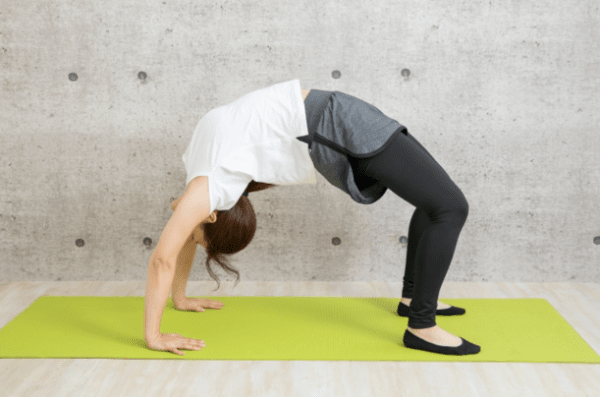
The bridge is performed lying on your back while lifting the pelvis. It primarily uses the glutes, with the lower back and hamstrings assisting. It’s particularly effective at reawakening glute muscles that weaken from long periods of sitting.
Isn’t this movement too easy?
It may look simple, but if you squeeze and hold your glutes, the stimulus is unmistakable. Hold the top position for 2–3 seconds and perform 12–15 repetitions for 3 sets. Focus on driving the movement with the glutes, not the lower back.
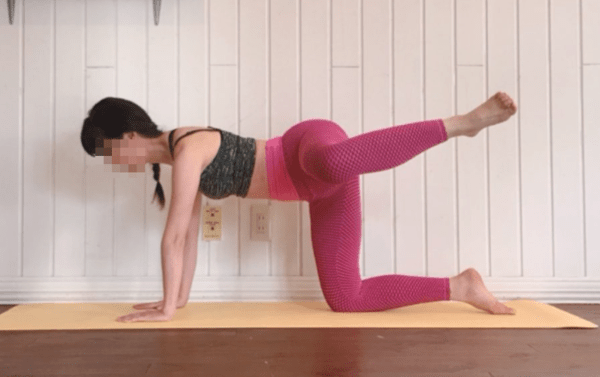
Side kicks engage the hip stabilizers and outer thighs
Side kicks lift the leg out to the side. They activate the hip-stabilizing muscles and the outer thigh — areas often neglected in daily movement — and can refine your lower-body shape.
Do side leg raises actually help?
Because these muscles aren’t used much in everyday life, they can weaken easily. Regularly stressing them restores balance and improves stability. Do 12–15 reps per side for 3 sets, lifting and lowering slowly without using momentum.
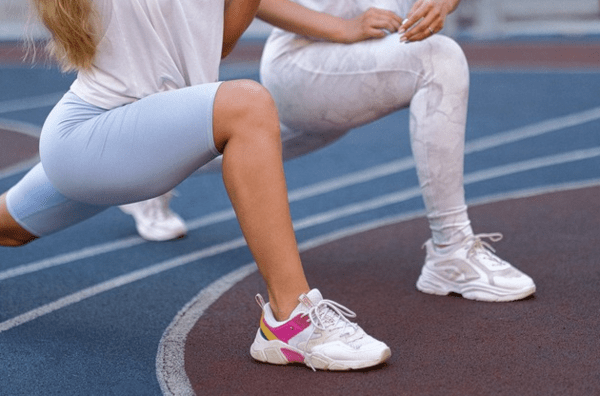
Lunges are a compound move that works the entire lower body
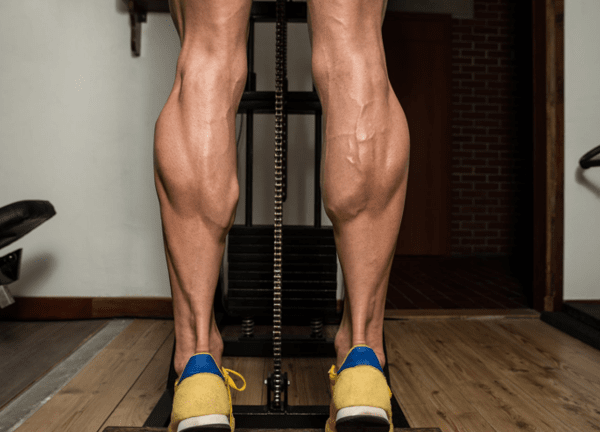
A lunge involves stepping one foot forward and lowering your center of gravity. It recruits the quads, glutes and calves simultaneously, making it a highly effective way to build overall leg strength. Your core also engages to help maintain balance.
Isn’t that similar to a squat?
They can look alike, but lunges work each leg independently. That makes them better for correcting left-right imbalances. Aim for 10–12 reps per leg for 3 sets, and keep the knee from collapsing inward.
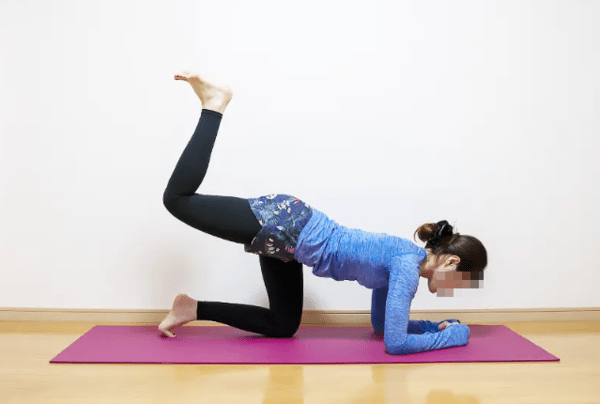
Kickbacks focus on the rear glutes
Kickbacks extend the leg behind you, concentrating effort on the posterior glute muscles. They’re a go-to move for improving hip extension and achieving a firmer, lifted look. Push through the glutes rather than arching the lower back.
What benefits does this move offer?
Kickbacks directly shape the rear glute line. With consistent practice, they boost both tone and strength. Perform 12–15 reps per side for 3 sets, prioritizing precise form over large motions.
Results come from targeted stimulus and repetition
Each exercise targets a different area: the bridge centers on the glutes, the side kick on the hip stabilizers and outer thigh, the lunge on the whole lower body, and the kickback on the rear glutes. Dividing the work this way prevents overdeveloping one muscle group and builds more balanced strength.
How much should I do each day to see results?
Put the four moves into a single circuit and repeat for 20–30 minutes. Three sets of each exercise provide sufficient stimulus. The key is consistency — brief, frequent sessions beat occasional long workouts.
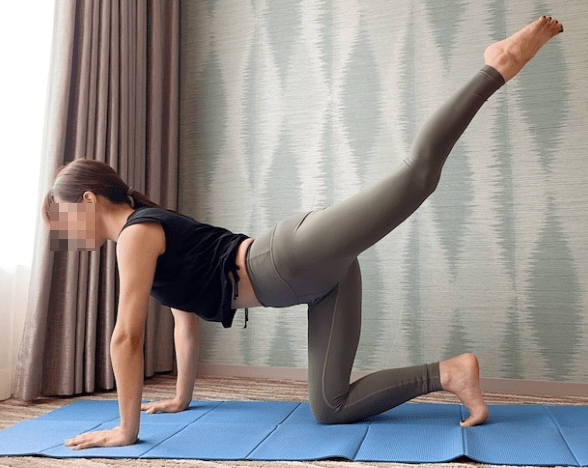
In the end, precise stimulus and consistency matter most
Lower-body training is less about volume and more about feeling the right muscles working. If an exercise doesn’t provide the correct stimulus, it won’t deliver the expected results.
Can I make real progress at home?
Yes. Good form and consistent repetition matter more than equipment. Building lower-body strength is a matter of steadily stacking the right stimulus over time.