If the sharp smell of commercial cleaners makes bathroom chores unpleasant, consider a familiar kitchen staple instead.
The ingredient is plain salt. While you normally use it to season food, salt can also cut odors and help lift surface grime in household cleaning. It won’t replace dedicated cleaners for heavy-duty jobs, but for routine care of light stains and lingering smells inside the bowl, salt is a practical option. Here’s how to put it to work.
Start toilet care with a handful of salt
Salt helps for two main reasons. First, it controls odors. Unpleasant smells around the toilet come from a mix of moisture, grime and urine residues. Salt can absorb some moisture and reduce those odors. Unlike strong air fresheners that merely mask scents, salt supports the physical removal of residues when you scrub.
Second, salt crystals act as a mild abrasive. Coarse grains provide gentle scrubbing action, helping remove waterline stains and rough deposits that a brush alone may not shift. Avoid scrubbing too hard or too long; excessive force can stress porcelain.
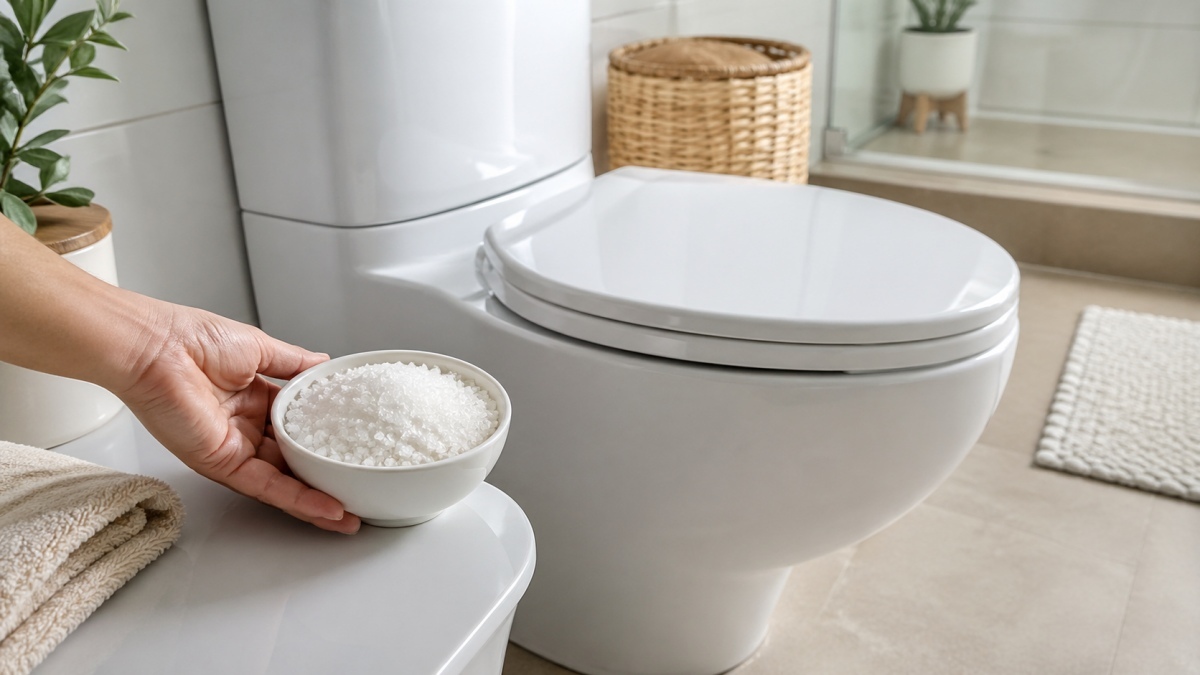
Salt is easy to find and has little fragrance, making it a good alternative for people sensitive to chemical scents. But it’s best suited to light staining and routine odor control. Hardened limescale or long-standing yellow stains usually require stronger, stain-specific treatments.
Leave it overnight for better results
Apply salt when the toilet won’t be used for a while—at night or before you head out. Allowing the salt to sit gives it time to work on the deposits, so scrubbing afterward removes grime more easily.
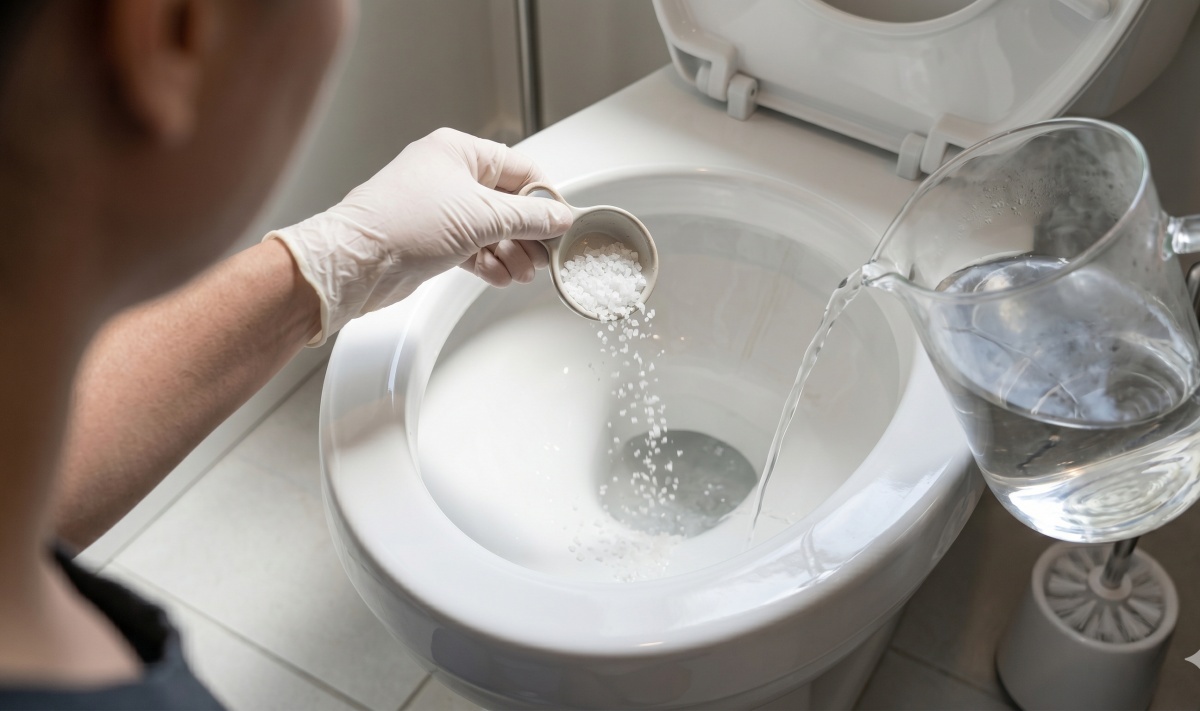
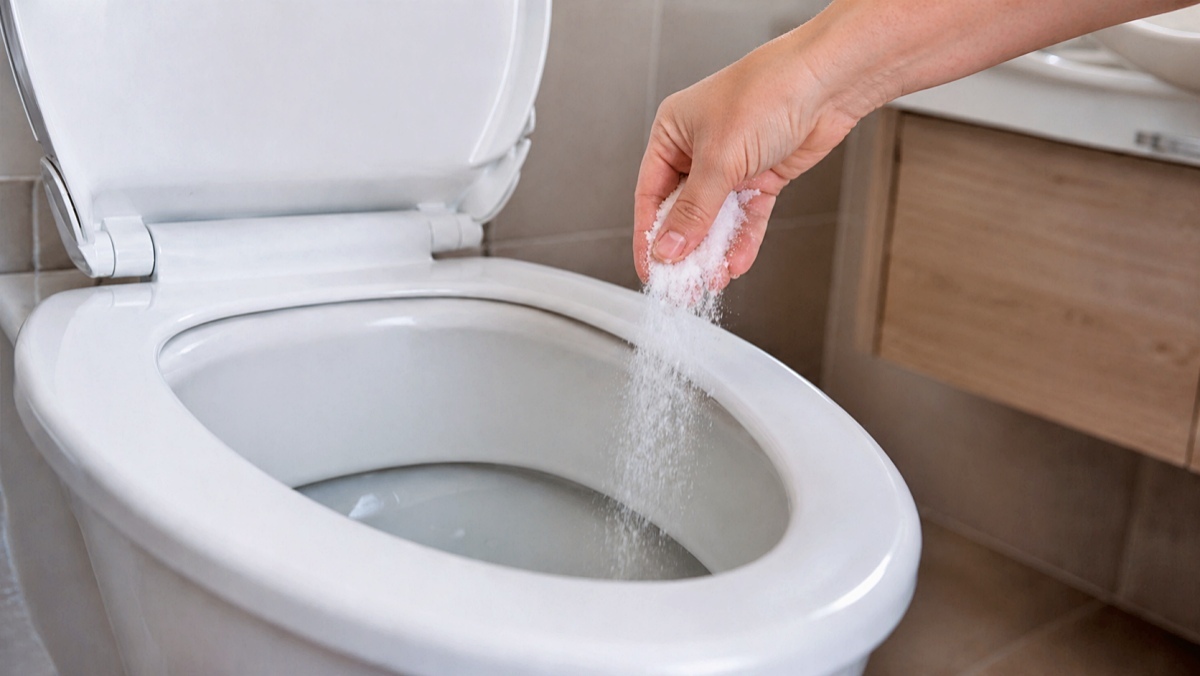
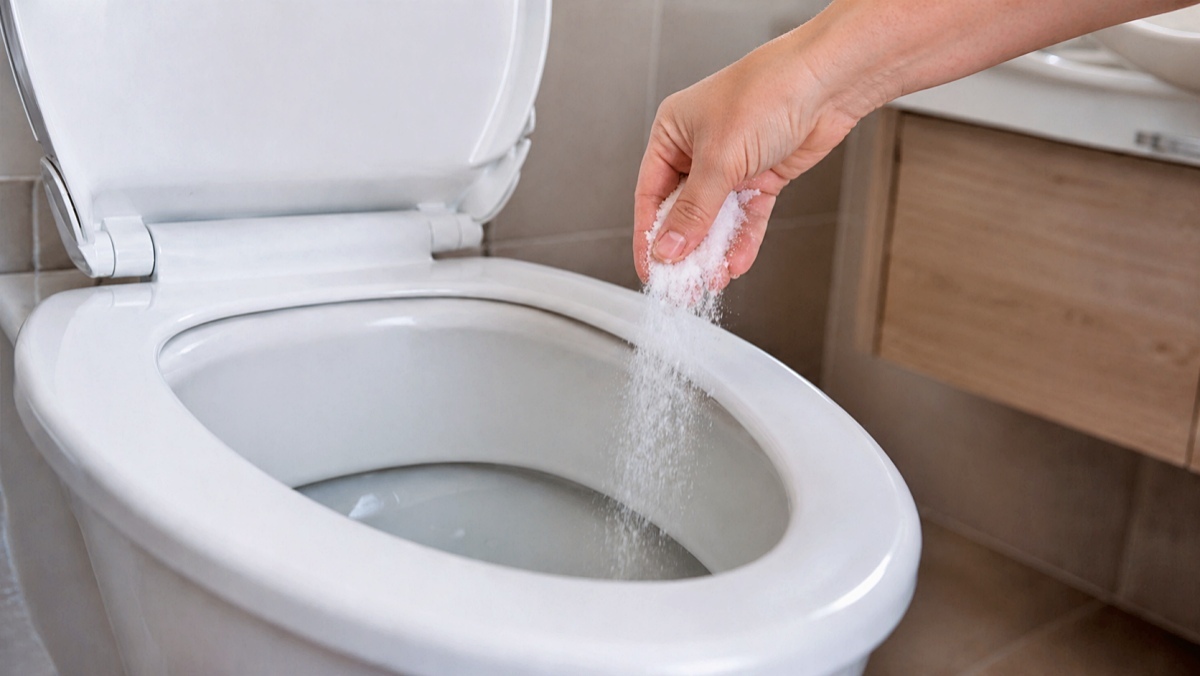
Here’s a simple method. Sprinkle a handful of coarse salt evenly along the waterline and on the sloped inner walls where stains form. Make sure the salt contacts stained surfaces instead of sinking only into the water. Pay special attention to the waterline, where deposits tend to build up.
Next, pour warm water slowly—never boiling. Sudden temperature changes can crack porcelain; water that feels warm to the touch is sufficient. Let the salt sit for at least 30 minutes, then scrub gently with a toilet brush and flush. For light staining, this often makes the bowl noticeably cleaner.
You don’t need to do this every day. In busy households, once or twice a week is usually enough. It’s far easier to remove deposits before they harden; once they do, every method takes more effort.
Soak hardened limescale with an acid
Even with salt care, yellow marks can persist. Hard, stubborn stains at the waterline or in the bowl’s curves are often limescale. Limescale forms when minerals in water bind with urine and harden. For those deposits, soaking is more effective than scrubbing alone.
Acidic agents work well on limescale. Common kitchen acids—vinegar or powdered citric acid—are good choices. Spray vinegar onto the stained area, or wet paper towels with vinegar and press them onto heavy deposits so the acid stays in place. Wait 20–30 minutes, then scrub; the deposits should begin to loosen.
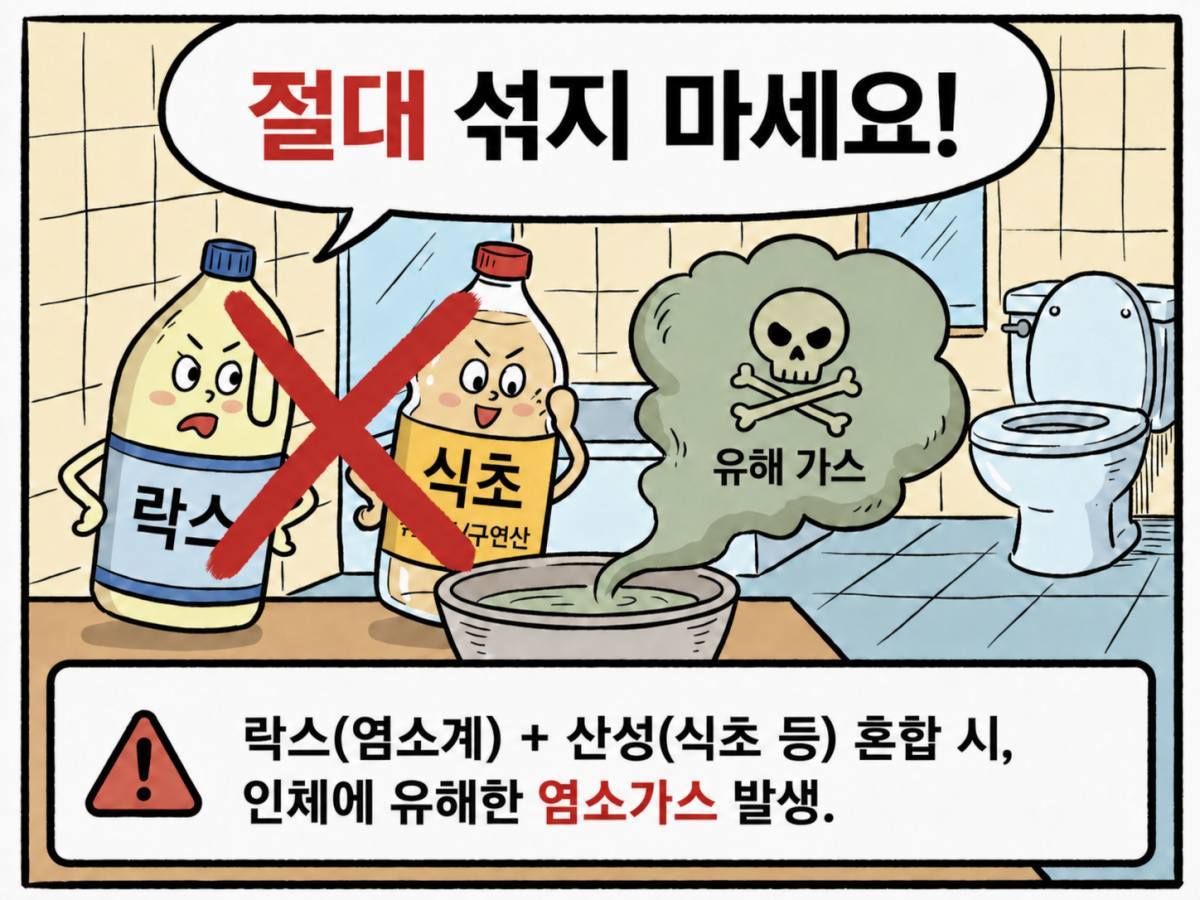
Citric acid works similarly: dissolve it in warm water, apply it to the stain, or wet towels with the solution and let them sit. If you dislike vinegar’s smell, citric acid can be a milder alternative. But never mix acidic cleaners with bleach-type products. Mixing them can produce harmful gases and is extremely dangerous.
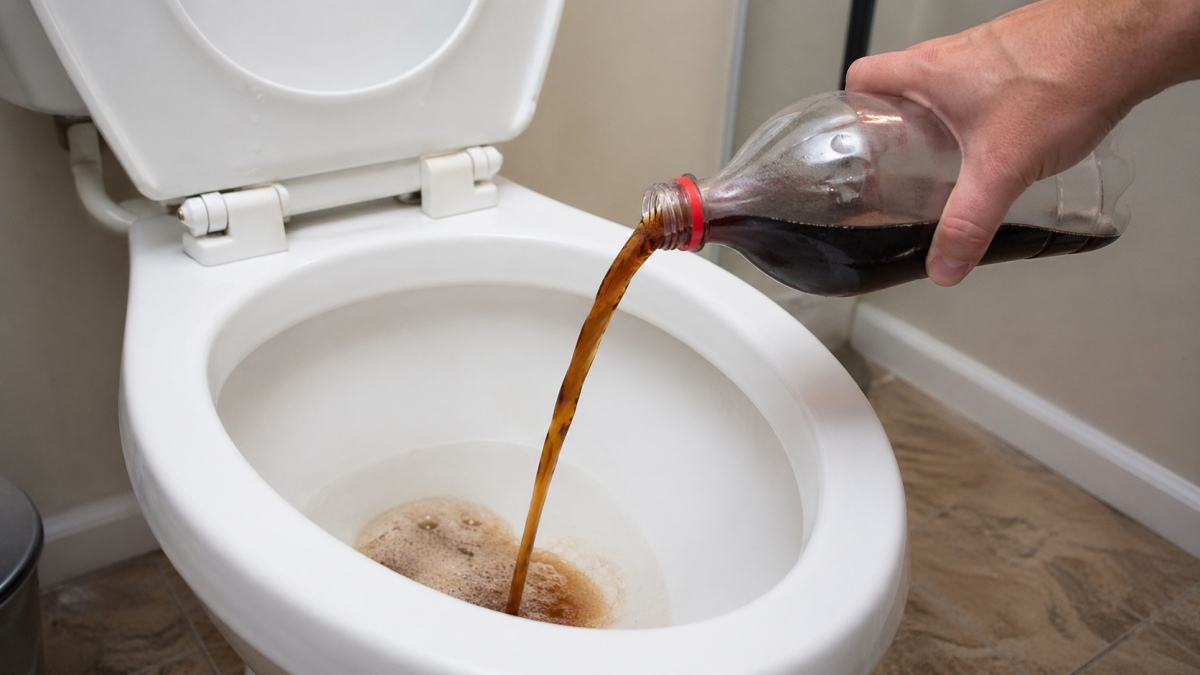
Flat cola can also help loosen limescale. Its acids may soften light deposits. Pour slowly into the bowl, let it sit 30 minutes to an hour, then scrub and flush thoroughly to remove colorants and sugars.
Remember, cola isn’t a dedicated cleaner and won’t remove heavy limescale in a single treatment. Sugary residue can leave a sticky film, so rinse thoroughly. After using vinegar, citric acid or cola, flush several times to ensure no residue remains. If any splashes reach floors or metal parts, wipe them off promptly—acidic substances can discolor or corrode some materials if left too long.
Toothpaste for light stains and odors
If stains and odors are light, toothpaste can help. Its mild abrasives and cleaning agents—formulated to clean teeth—also lift faint stains and leave a fresher scent in the bowl.
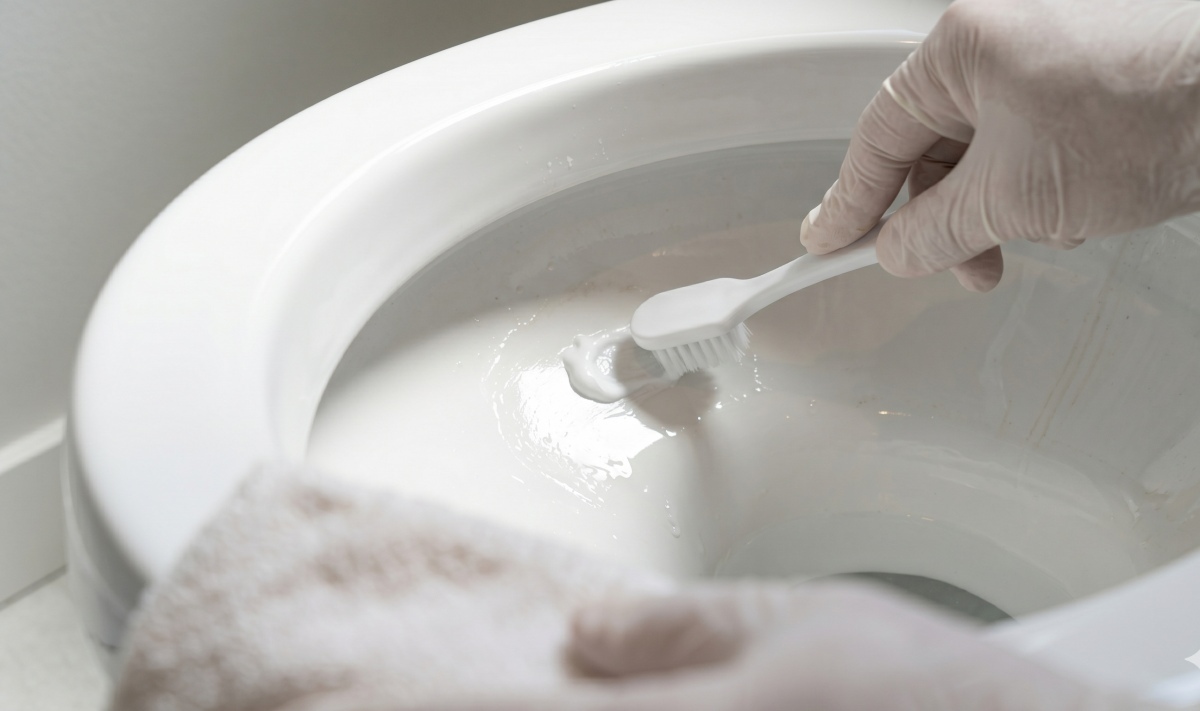
Apply a small amount of leftover toothpaste around the bowl and scrub with a brush, focusing on the waterline and curved areas where grime collects. Toothpaste leaves a fresh scent that helps reduce bathroom odors right after cleaning.
Use toothpaste sparingly: too much produces excess foam and makes rinsing harder. Repurposing old or nearly empty tubes cuts waste and works well for this use.
For similar reasons, leftover shampoo and conditioner can serve as cleaning aids. Old shampoo can help lift light grime because surfactants break up oils and dirt and produce a cleansing foam. Conditioner can smooth surfaces: a small amount wiped on lids or outer porcelain can reduce dust and water spots. Don’t apply conditioner inside the bowl in large quantities; it can leave a slippery residue and stress plumbing.
Use coffee grounds only as a deodorizer
After treating limescale and stains, you’ll still want to manage lingering odors. Dried coffee grounds in a small container can absorb moisture and odors when placed on a bathroom shelf. This is a gentler option for people who find strong air fresheners overpowering.
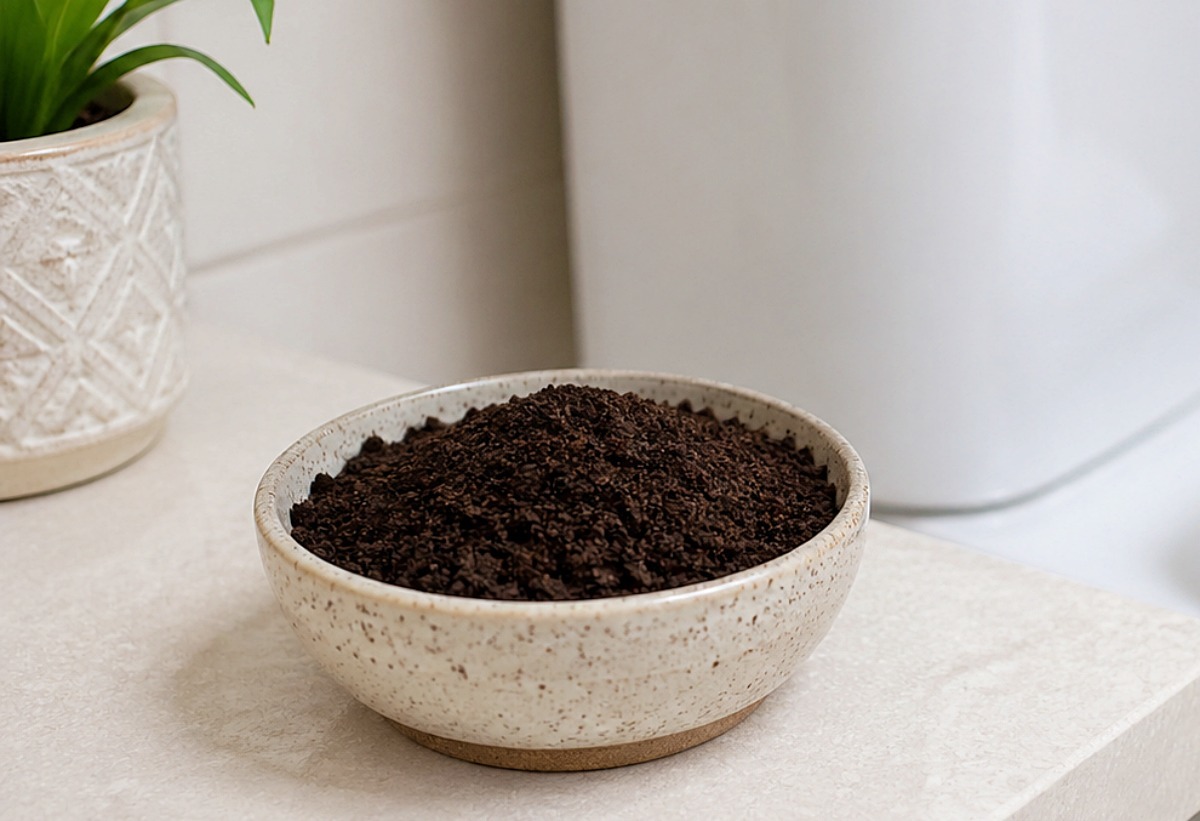
Don’t pour large amounts of grounds into the toilet: they don’t dissolve and can clog pipes, especially in older plumbing or low-flush toilets. If you use grounds for cleaning, apply a tiny amount to a brush to scrub outer porcelain or the seat, then filter and rinse thoroughly if you’ve used them inside the bowl. For deodorizing, place grounds on a shelf or behind the toilet instead of in the bowl.
Most important: don’t mix products
Using household items doesn’t mean you should mix them. Natural ingredients aren’t automatically safe in every combination. The safest rule is to use one material at a time, rinse thoroughly, then try the next method if needed.
Mixing vinegar and baking soda creates a foamy reaction that looks effective, but the acid and alkali neutralize each other and can reduce cleaning power. Above all, never use bleach-type cleaners with vinegar, citric acid or other acids.
Consider the porcelain and the plumbing
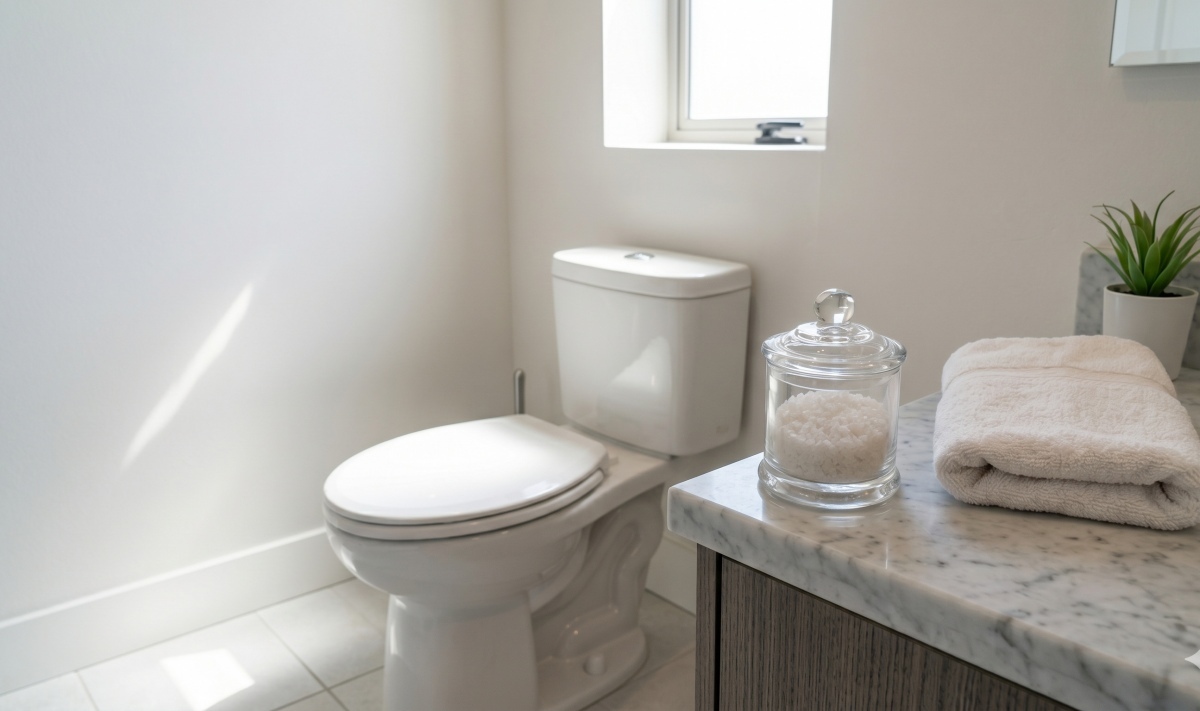
Don’t pour boiling water or leave strong agents on the bowl too long: such actions can damage the toilet. Porcelain can crack from sudden temperature changes, so pour warm water slowly rather than dumping boiling water directly.
Avoid abrasive scouring pads or sharp tools. Tiny scratches trap dirt and make future cleaning harder. When using salt or toothpaste, scrub gently and repeat rather than applying excessive force.
Think about your pipes, too: avoid materials that won’t dissolve. Coffee grounds, coarse powders and wads of tissue can impede drainage. After cleaning, flush at least once—twice if needed—to ensure no residue remains.