Reporting compiled by Today Korea on the 27th shows that secondhand items have taken hold as a new trend, and the used-goods market keeps widening.
According to the Korea Internet & Security Agency (KISA), South Korea’s domestic secondhand market grew from roughly 4 trillion KRW (approximately 3 billion USD) in 2008 to about 43 trillion KRW (approximately 32.25 billion USD) last year — nearly an 11-fold increase. (4 trillion KRW (approximately 3 billion USD); 43 trillion KRW (approximately 32.25 billion USD))
Interest in recommerce clothing is rising, especially among young shoppers who prioritize personal style and smart spending.
Market researcher Embrain Trend Monitor surveyed 1,000 men and women ages 13 to 59 last year and found that 78% had experience buying or selling secondhand clothing.
People in their 20s were the most active: 68% reported taking part in recommerce transactions, the highest rate of any age group.
Young consumers’ fascination with recommerce is also obvious on social media.
As of 3 p.m. that day, Instagram showed about 6.77 million posts tagged #vintage and roughly 228,000 posts tagged #secondhand. Posts with headlines like “Top 10 Vintage Shops in Seoul” have been popping up frequently.
A college student who regularly buys used items told our paper, “Most people buy clothes on secondhand platforms, and a lot of my friends think vintage pieces are cool. More people I know are putting together fresh looks with secondhand finds.”
With the market growing, fashion companies are shifting away from selling only brand-new merchandise and are adding used-item sales to their strategies.
For example, Musinsa launched its secondhand service, MUSINSA USED, in August last year. The platform surpassed 10,000 sellers within two weeks of launching.
Musinsa USED’s transaction volume in October last year jumped more than threefold — up 234% month over month.
User participation has been strong as well.
In the same period, the number of secondhand items registered as sale-ready immediately after inspection on Musinsa USED rose 67% from the previous month. The number of members who logged in and applied to sell items nearly multiplied by 2.5.
A Musinsa spokesperson said, “Our convenient service has increased both the number of sellers and the supply of used items. That’s creating a virtuous cycle where more shoppers can find great products at reasonable prices.”
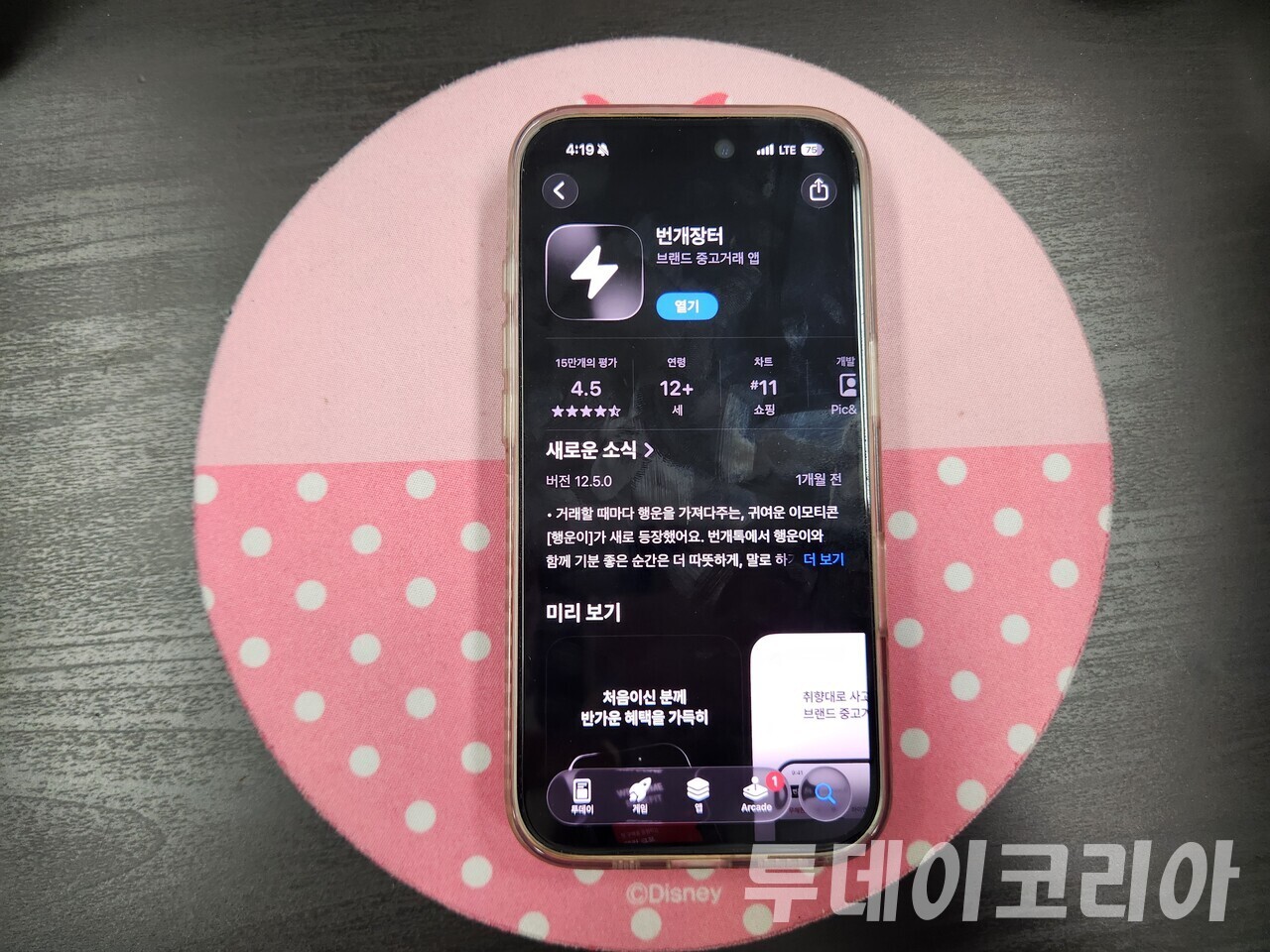
Bungaejangter has been expanding its user base through a strategic partnership with Happy Point.
Recently, Bungaejangter boosted benefits for secondhand shoppers by offering rewards to Happy Point members.
The company said the partnership plays to both platforms’ strengths: a trend-sensitive MZ audience and a strong female user base.
Bungaejangter has also run a festival offering events and trading perks focused on character goods and fashion items.
A Bungaejangter representative said, “Fashion is a category where user tastes and collector culture are especially active. We hope users discover a wide range of items and enjoy the thrill of recommerce.”