Sprinkling salt in the toilet reduces odor — why it actually works
Most people think of salt as a seasoning. But in everyday life, it’s also used for deodorizing and managing buildup. Anecdotes circulate that sprinkling salt in the toilet is a simple way to control odors. It may sound like folk wisdom, but the explanation is straightforward.
Salt draws moisture
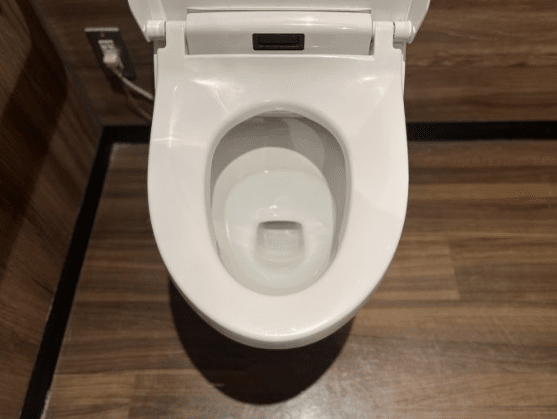
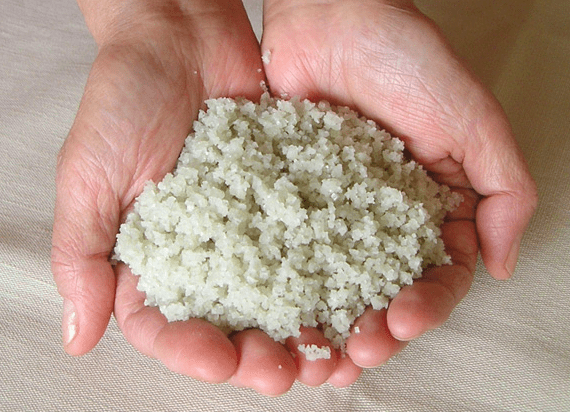
Salt’s most basic property is that it attracts water. It pulls in surrounding moisture, which makes it effective in damp environments. Because the inside of a toilet stays moist, it easily becomes a setting that produces odors.
Is salt useful where there’s only water?
Just because a place contains water doesn’t mean conditions are uniform. Where salt contacts surfaces, it changes the local moisture balance and can reduce the microenvironments that produce odors. The effect is most visible on the bowl walls or in low spots where water collects.
Odors stem from bacterial activity
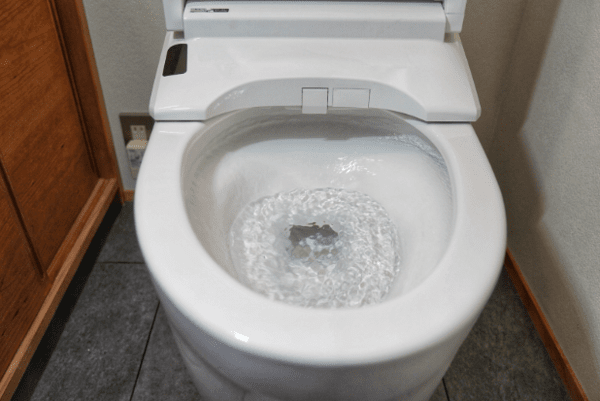
Bathroom odors often aren’t just the smell of water but the result of bacteria breaking down organic material, which releases foul-smelling compounds. Salt can help by partially suppressing that bacterial activity.
Does salt kill bacteria?
It’s more accurate to say it limits activity than to say it sterilizes. Rising salinity creates conditions that are hostile to some microbes, and that typically reduces odor production.
It can also affect grime and residues indirectly
Invisible residues and greasy deposits can accumulate in a toilet. If these materials linger, they become a source of odor. Salt, interacting with water, can help loosen some surface-bound grime.
Does it work like a cleaning detergent?
It’s not a powerful cleaner, but it can play a supporting role. Lightly sprinkling salt and leaving it to sit can slow the buildup of residues.
The method is simple, but amount and timing matter
When using salt, avoid dumping large quantities — instead, sprinkle a moderate amount evenly around the inside of the bowl. Applying it before bed or during periods of low use tends to be most effective.
How much is enough?
One or two spoonfuls should do. Let it sit for a while, then flush. Adding more won’t substantially increase the benefit.
It’s not a complete solution, but a helpful supplement
Salt can’t replace proper toilet cleaning. Basic scrubbing and maintenance come first, and salt should be treated as a complement.
So this method alone isn’t sufficient?
Correct. It’s useful alongside routine cleaning. If odors are severe, deep cleaning should be the priority.
The key is changing the environment
You can’t solve toilet odors by merely masking them with fragrance. The goal is to alter the bacterial and moisture conditions that produce the smell. Salt helps adjust that environment to some degree.
That’s simpler than I expected
Exactly. Small habits often outperform complicated fixes. But don’t rely on salt alone — combining it with standard maintenance is the most practical approach.