Don’t cut corners when washing bedding — it can be risky. Here’s how to truly eliminate dust mites.
Bedding is the household item that spends the most time in direct contact with your skin. So even when it looks clean, sweat, dead skin, dust and unseen dust mites keep accumulating. While you sleep, your body heat and humidity rise, creating ideal conditions for mites to reproduce.
If bedding isn’t washed correctly, those conditions can lead to allergies, skin irritation and respiratory problems. Many people assume more detergent or more frequent washes solve the issue, but wash temperature and the rinse cycle are far more important. Using the right technique is essential to maintaining genuinely clean bedding.
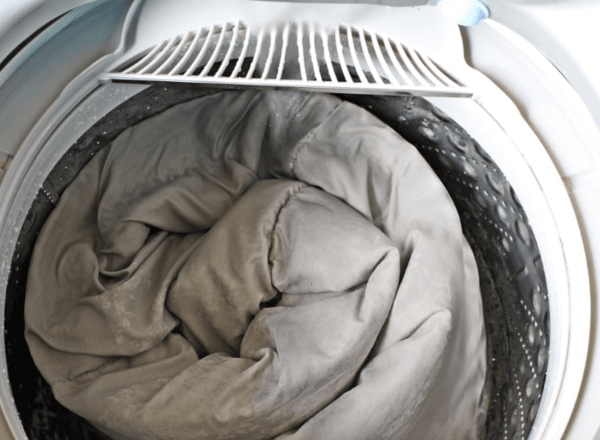
Temperatures above 55°C (131°F) are the threshold for killing mites.
Ordinary warm-water washes usually won’t remove dust mites. Lower temperatures may slow their activity, but they often don’t eliminate them. At temperatures above 55°C (131°F), mites’ protein structures denature, making survival unlikely.
Whenever possible, use a high-heat wash cycle. Thick items like comforters need heat to penetrate fully, so choose a long enough cycle to reach the filling. Simply raising the temperature can make a noticeable difference in cleaning effectiveness.
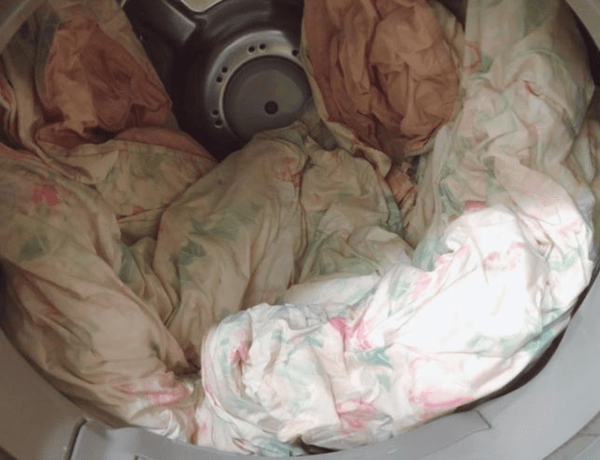
Rinsing matters more than extra detergent.
Many people think using more detergent will make bedding cleaner, but excess soap can remain and become a source of contamination. Washing dislodges mites, dust and dead skin from fibers, but if rinsing is inadequate those residues can reattach to the fabric.
Mite bodies and droppings are major allergy triggers and must be removed completely. Use the recommended amount of detergent and rinse thoroughly—two to three rinse cycles or more if needed is far more effective. Cleanliness comes from removing residues, not just from lathering.
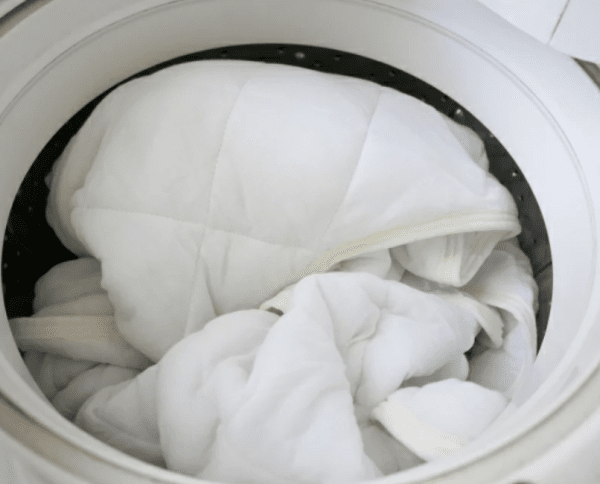
True hygiene requires removing mite bodies and droppings, too.
Killing mites is only part of the solution; the residual bodies and droppings are often the bigger problem. These particles are tiny and lightweight, so they easily become airborne and can irritate the respiratory tract and skin.
People with allergies can react to very small amounts. So don’t stop at a hot wash—follow it with thorough rinsing to physically wash these particles away. Both steps together are necessary for genuine hygiene.
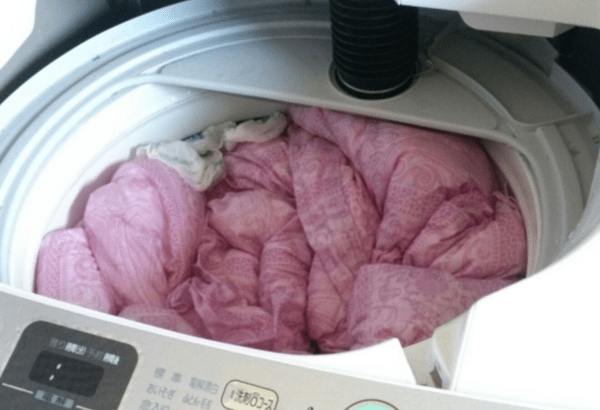
Complete drying preserves the benefits of washing.
Washing alone doesn’t finish the job. If drying is incomplete, remaining moisture can allow mites to multiply again. Thick comforters often feel dry on the surface while staying damp inside.
Dry bedding thoroughly in direct sunlight when possible or use a dryer so heat reaches the interior. Proper drying helps the washing results last.
Ultimately, the method determines the result when washing bedding.
It’s not how often you wash bedding that matters most, but whether you do it properly once. To keep bedding clean, focus on three things: temperatures above 55°C (131°F), thorough rinsing, and complete drying.
These may seem like small details, but they can significantly affect skin health and sleep quality. One correct washing habit can make a noticeable difference in your home environment.