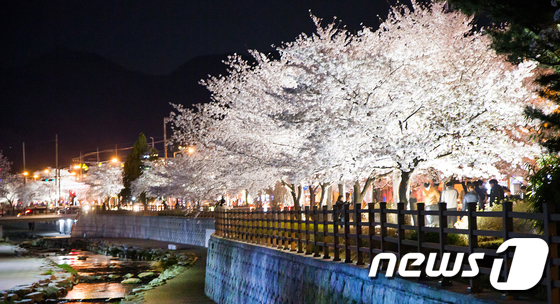
As central North Gyeongsang approaches peak cherry blossom later this week, a casual, "everyday" style of cherry-blossom tourism is blooming along rivers and parks in Gumi and Chilgok.
With the blossoms moving north from Gyeongju, the central region has emerged as a go-to corridor for walkers, cyclists and family outings.
In North Gyeongsang, cherry trees bloom progressively from south to north, roughly 1–2 weeks apart.
Gumi’s Geumosan and the Geumoji area are classic urban cherry-blossom spots, pairing lakeside views with scenic walking paths.
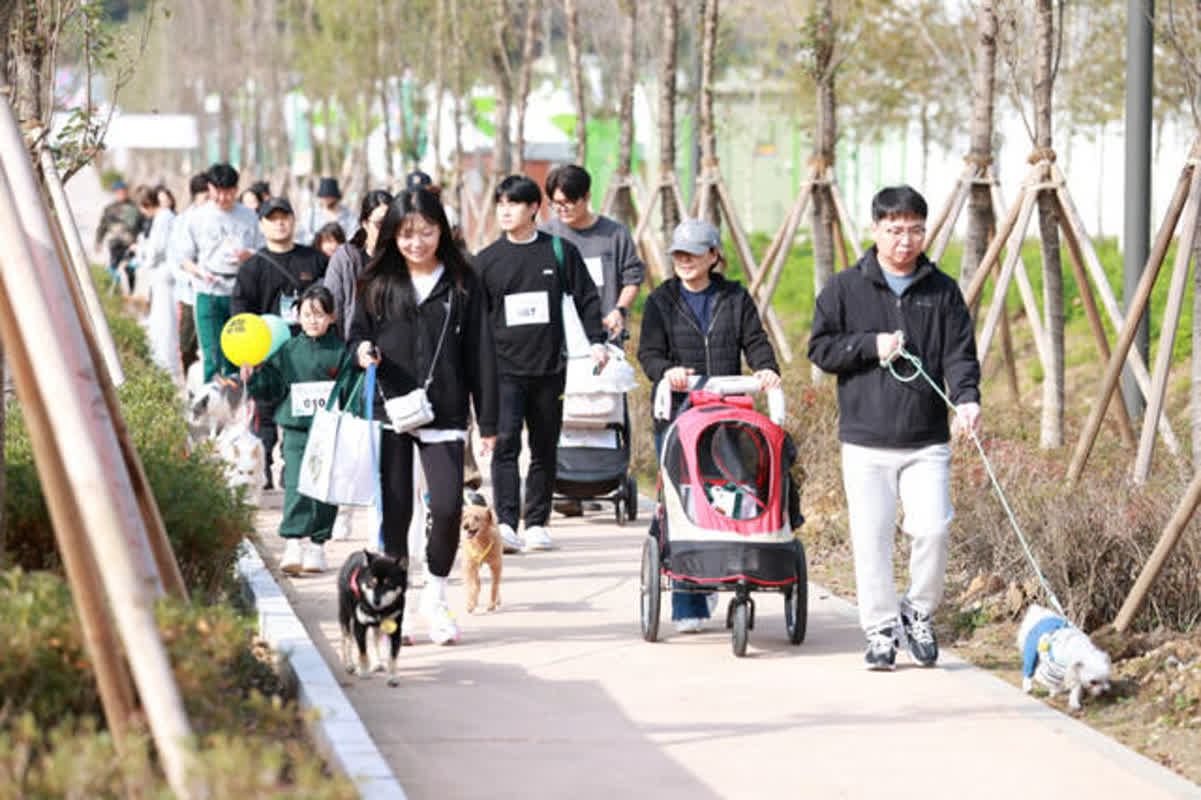
Chilgok’s Jisan Saetgang Ecological Park offers a blooming route along the Nakdong River and is drawing increasing numbers of cyclists and family visitors.
The Kumho River floodplain provides an easy, riverside walking route for cherry-blossom viewing and is popular thanks to its convenient access to the city.
Food spending is also ticking up with the cherry-blossom season.
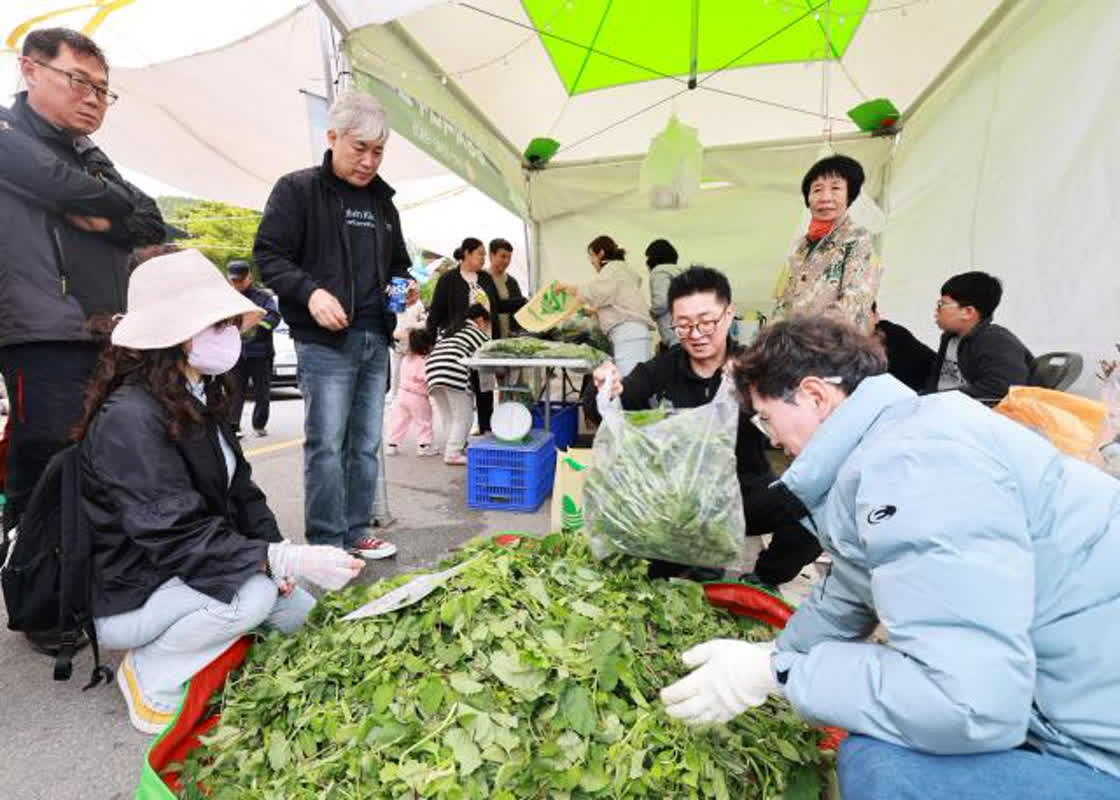
In Gumi, purchases of hanwoo (Korean beef), pork and treats from traditional markets are on the rise, while Chilgok is seeing growing demand for chamoe (Korean melon), local produce and farm-to-table foods.
Rising foot traffic around Nakdong River attractions is boosting business at nearby shops and cafes, delivering a welcome lift to the regional economy.
Tourism in the central region tends to favor short, day-trip visits rather than overnight stays.
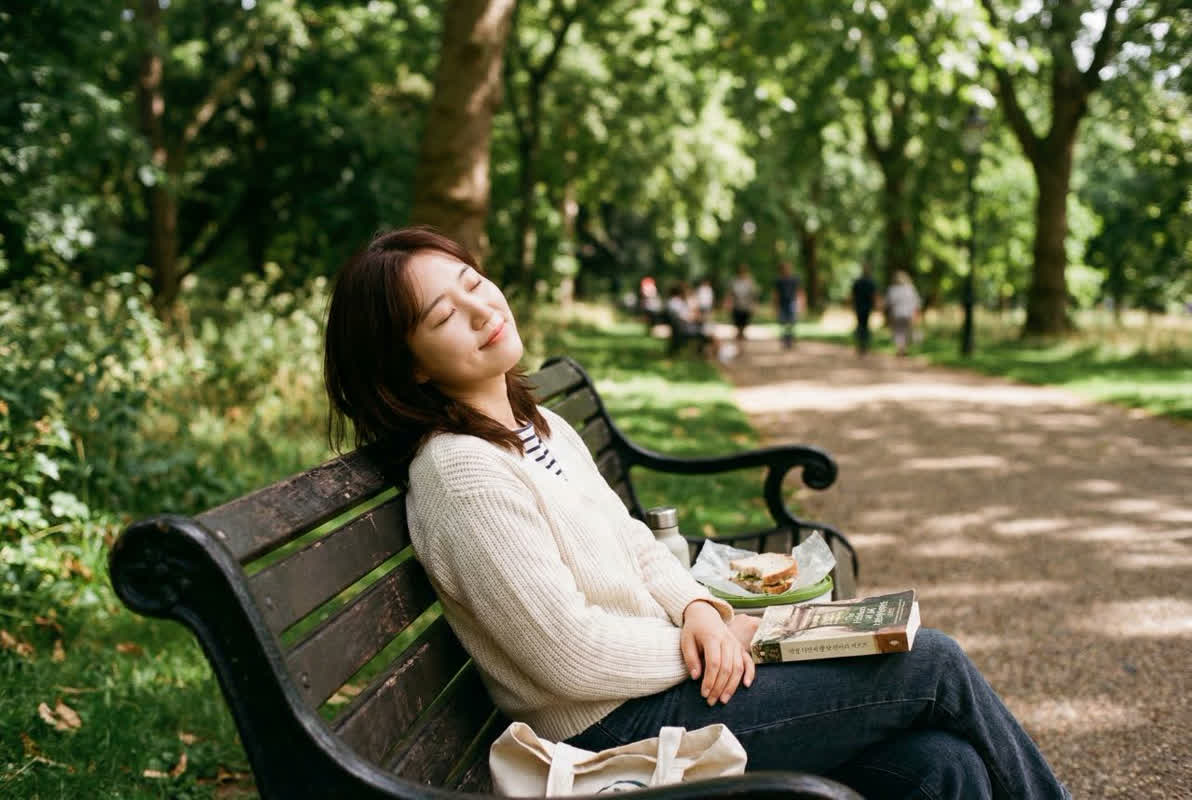
Visitors repeatedly spend on quick activities—walks, bike rides and picnics—creating a pattern of brief, frequent outings.
As a result, parks and riverside amenities are being used more intensively.
Cherry blossoms sweep from Gyeongju to Gumi and Chilgok—peaking in the central region earlier this month—and are now moving toward Andong and the northern areas.
The central region acts as a key midpoint that keeps the overall cherry-blossom tourism circuit moving.
Thanks to accessibility and everyday amenities, Gumi and Chilgok have become hubs for this 'everyday' cherry-blossom tourism.