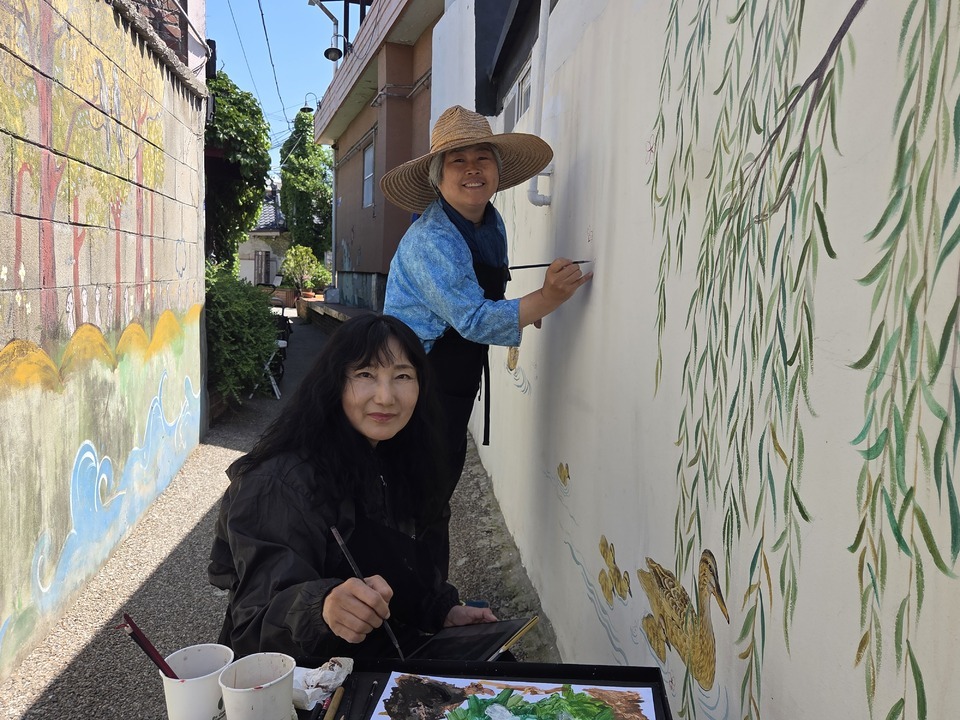
Suwon's Haenggung-dong mural alley is waking up in color again. Faded alley walls are being transformed into fresh, unexpected scenes as visitors pick up brushes. This is more than routine maintenance. It's a hands-on, community-led art project that restores the city's memories and rekindles a sense of belonging—an experiment in urban regeneration with heart.
Artists Lee Yun-sook and Park Eun-shin began the mural revival on May 4 as part of the Gyeonggi The Dream urban regeneration initiative.
But they're not just repainting old murals. The site is open to anyone—tourists and locals alike can step up and add their own strokes. That openness turns this effort into something different from typical public art installations.
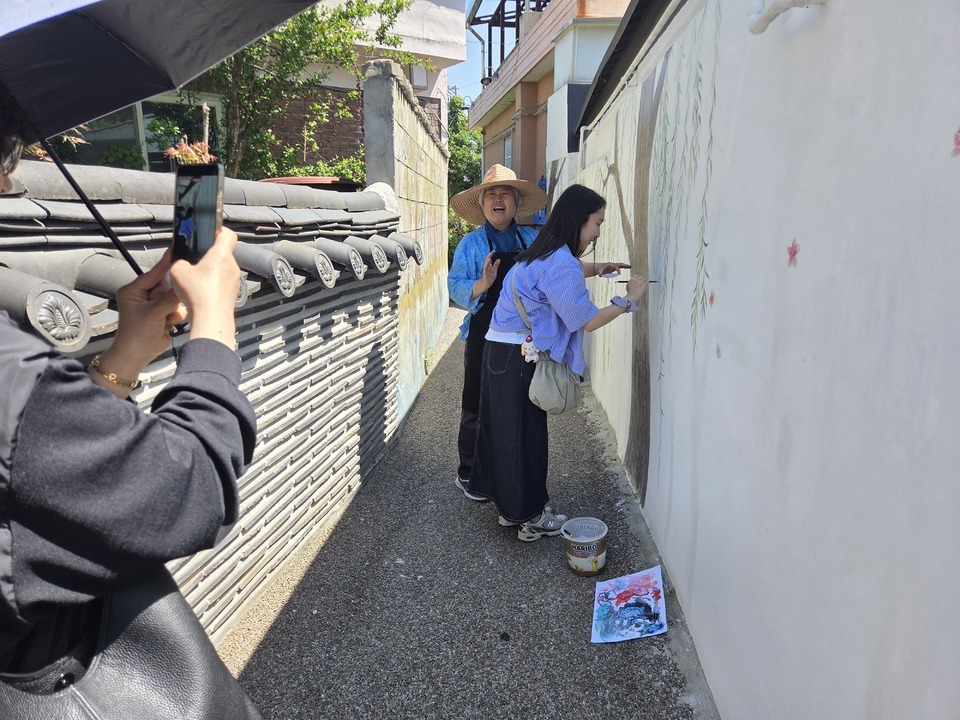
On May 9, the scene at Haenggung-dong included a diverse mix: a mother and daughter from Busan, a family with an elementary-school child from Yongin, and a group of women in their 50s who traveled from Seoul. Participants added a single peach blossom to a corner of a wall and, in doing so, became part of the alley’s living artwork.
A visitor who came from Busan said, \"I visited because the mural alley is famous, and I was so happy to be able to paint on the mural myself.\"
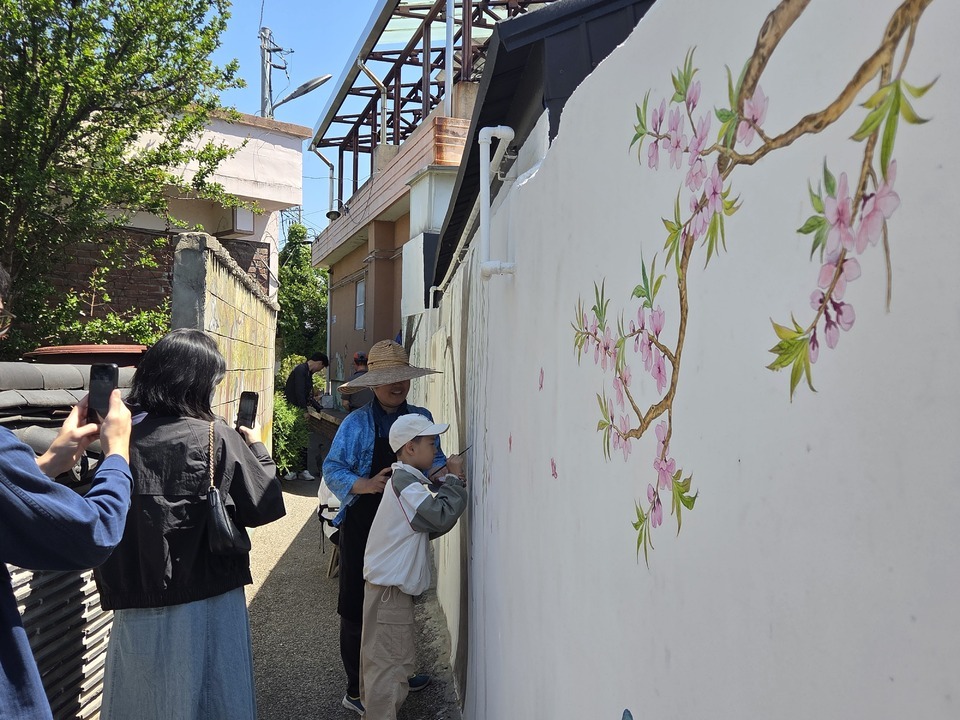
Haenggung-dong’s mural neighborhood was once hailed nationwide as a model for urban regeneration. Over the years, however, colors faded and some works were damaged, raising steady concerns about upkeep. This project matters because it not only restores aging murals but also injects new energy into the space through participatory art.
From an urban-sociology perspective, the work is symbolic. Earlier regeneration projects often focused on facility upgrades and building tourism infrastructure. Here, citizen participation itself becomes the central content. Visitors stop being mere consumers; they become creators who shape the alley’s look.
This approach aligns with the current emphasis on relationship-centered regeneration—repairing the social fabric rather than just replacing old structures. It reconnects people to the memories embedded in place. Each mural layers together city history, residents’ lives, and visitors’ moments.
Because Haenggung-dong sits beside the Suwon Hwaseong fortress, it carries cultural and historical weight beyond commercial tourism. The neighborhood’s blend of old residential lanes, art spaces, and young startups has, together with mural art, produced a distinct urban aesthetic.
The revival is more than repainting tired walls. It’s about bringing warmth back to alleys that felt empty. A tiny brushstroke left by a tourist can shift the city’s visual narrative, and that small act becomes part of Haenggung-dong’s ongoing story.
The mural alley is being slowly repainted right now. The walls have stopped being passive objects to observe; they’re a living canvas the community continues to complete together.
/ Reporter Jang Seon now482@incheonilbo.com