Cheongju is more diverse than you might expect. From Cheongnamdae, the former presidential retreat, to museums dedicated to Jikji—the world’s oldest surviving book printed with metal movable type—the city combines history and culture in ways that feel fresh. Add in cultural heritage sites and vibrant mixed-use spaces, and Cheongju becomes an easy, low-stress pick for families, couples, or solo travelers.
These picks aren’t niche — they’re the kind of spots that work for visitors of any age. Instead of jam-packed itineraries, I focused on places that are great for walking, taking in views, relaxing, and snapping photos.
Cheongnamdae
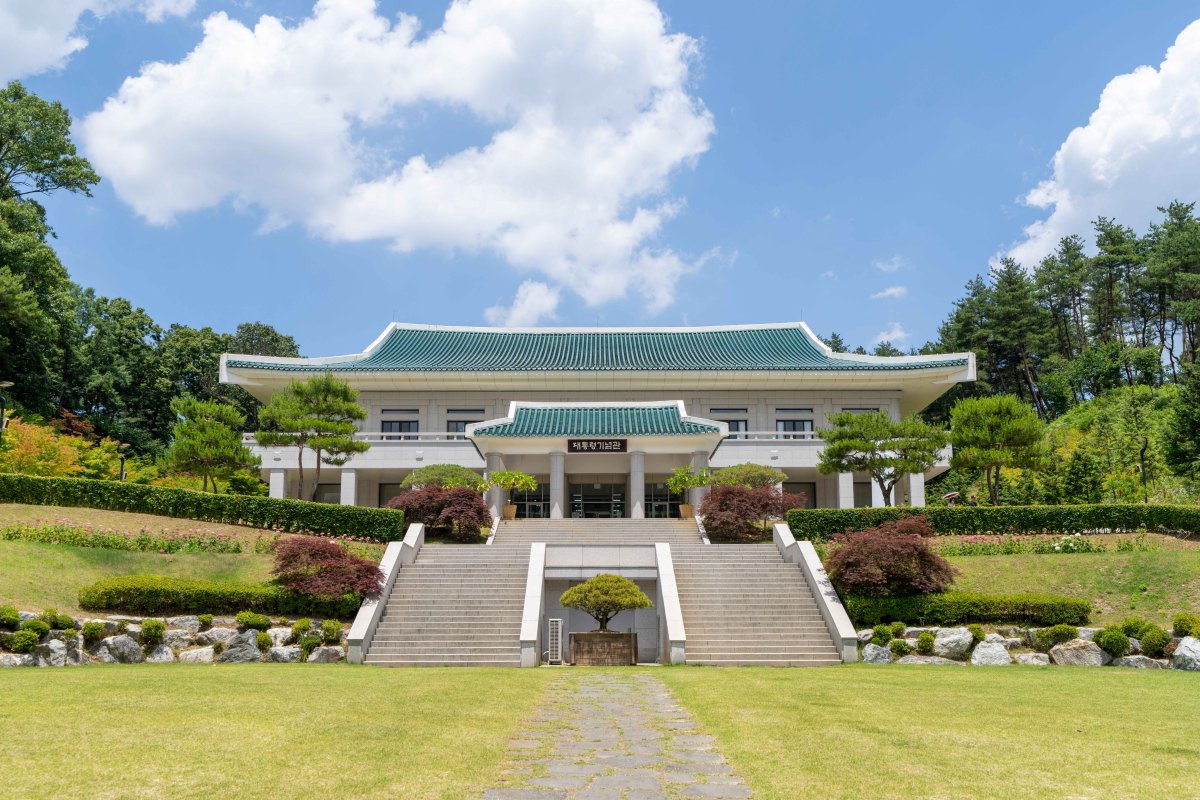
Cheongnamdae has climbed to the top of many “must-see” lists for Cheongju. Located at 646 Cheongnamdae-gil, Munui-myeon, Sangdang-gu, Cheongju (Chungbuk), this former presidential retreat now offers sweeping views of Daecheong Lake, exhibitions about past presidents, and scenic walking trails.
Official visiting hours for ticketing and entry are typically 9:00 AM–4:30 PM, and the monorail runs from 9:30 AM–6:00 PM. Note that the monorail is paused between 12:00 PM and 1:00 PM for vehicle inspections.
What makes Cheongnamdae stand out is that different generations find different highlights. Older visitors will enjoy the historical displays; kids will love the wide outdoor spaces; and couples or friends can get great photos with Daecheong Lake as a backdrop. The site also offers free rentals of wheelchairs, strollers, and walking aids, which makes it especially welcoming for families.
Cheongju Early Printing Museum
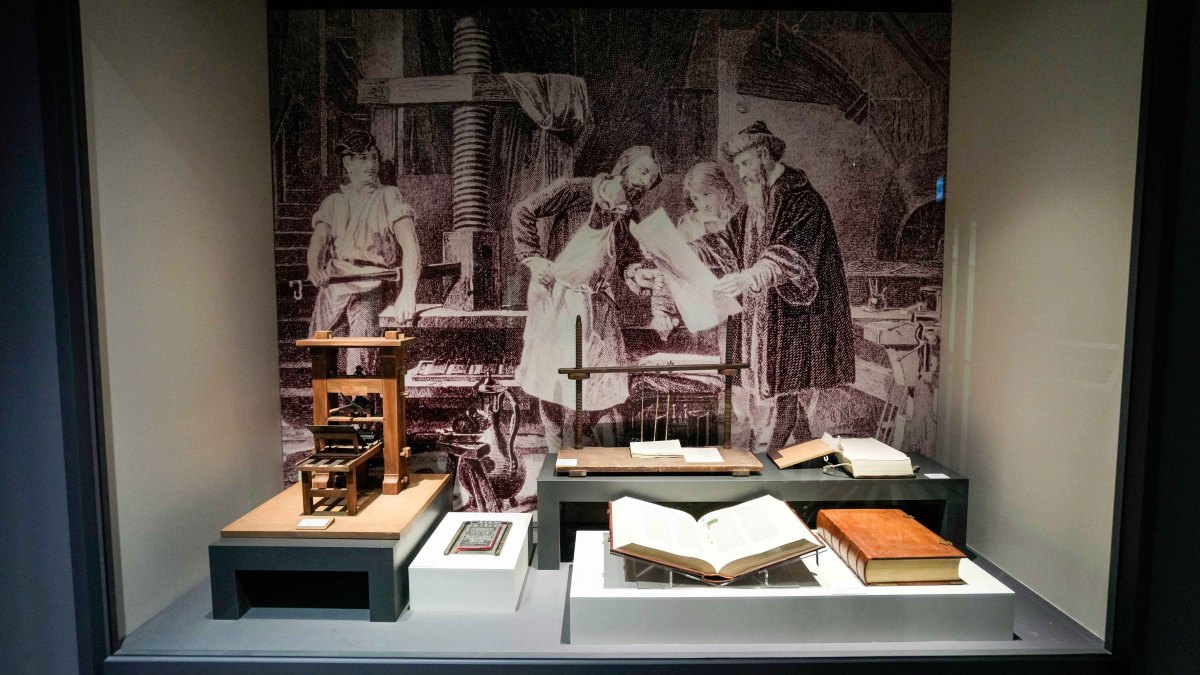
If you’re traveling with kids or need an indoor option, the Cheongju Early Printing Museum is a smart pick. Centered on Jikji—the oldest known book printed with metal movable type—the museum tells the story of early printing culture in an engaging way.
The museum is at 713 Jikji-daero, Heungdeok-gu, Cheongju, Chungcheongbuk-do, and is open from 9:00 AM–6:00 PM. It’s closed on Mondays and January 1, and best of all, admission is free.
This is a great stop if you want more than Instagram snaps—it's where you’ll actually start to understand why Cheongju is called the city of Jikji. It’s perfect for hot or rainy days, so adding it as an indoor option will make your plans more flexible.
Sangdang Fortress
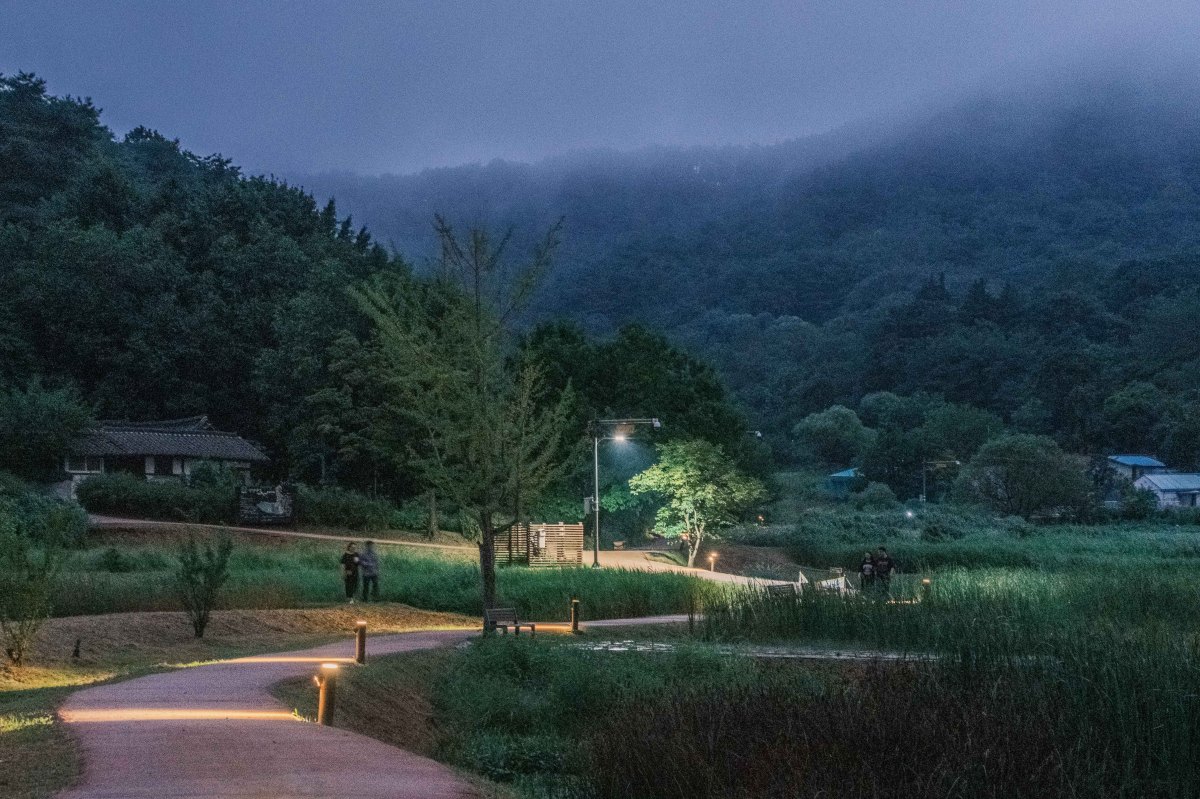
If you want more active sightseeing, head to Sangdang Fortress. This signature walled site in Cheongju features a trekking route that follows the Sangdang ridge along the fortress walls.
The full loop is about 4 km (roughly 2.5 miles), passing three main gates, two secret gates, bastions, and water channels. Most people finish it in about an hour to an hour and a half, and the views change beautifully with each season.
Sangdang Fortress is a natural mix of scenery, history, and food. Walk the ramparts, take in the city panorama, and visit the hanok village and dining street inside the fortress for a bite before or after your trek. Routes can be shortened to fit your stamina, which makes this a good option for all ages.
Culture Factory Complex & Suamgol
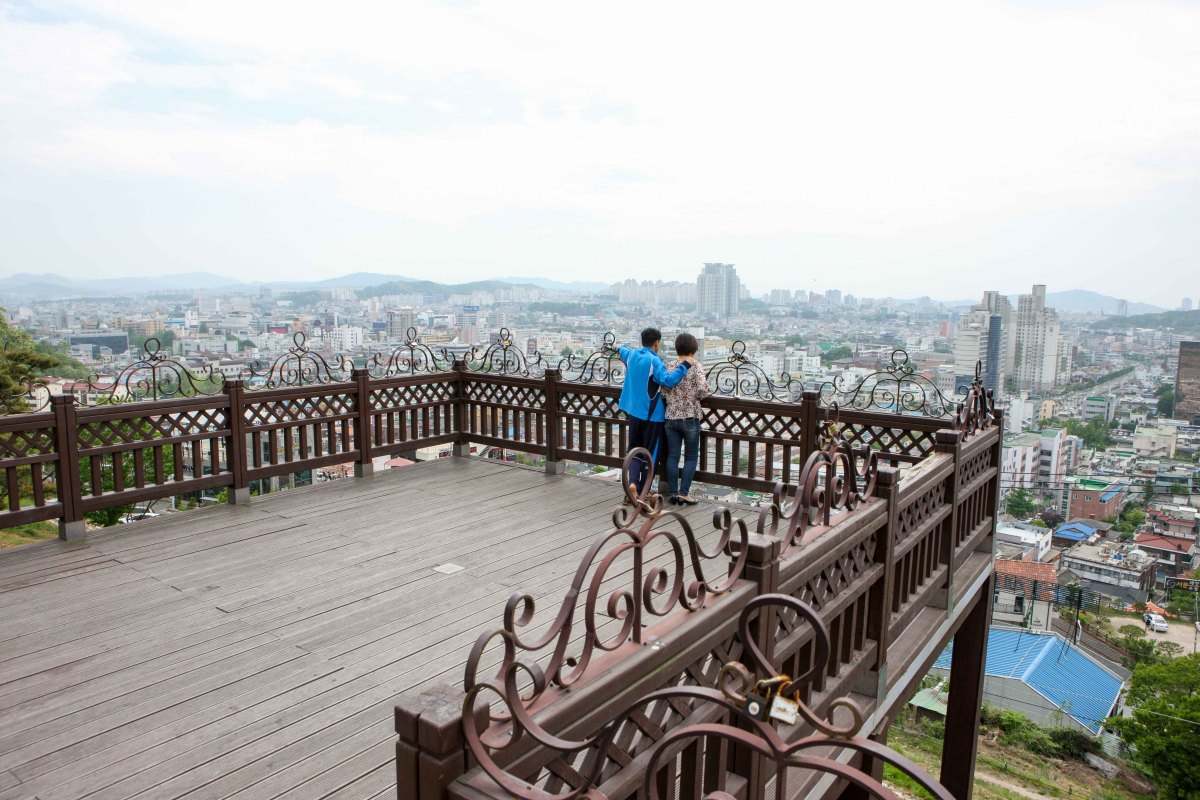
To get a feel for Cheongju’s contemporary scene, pair the Culture Factory Complex with a stroll through Suamgol. The Culture Factory repurposes the old tobacco factory area into a lively cultural hub that includes the National Museum of Modern and Contemporary Art, Cheongju, the East Warehouse, craft studios, and food spots. It’s at 314 Sangdang-ro, Cheongwon-gu, Cheongju, Chungcheongbuk-do. Parking is limited to two hours on weekdays and free on weekends and public holidays.
Suamgol developed after the Korean War when refugees settled in the area. Today it’s known for its murals, an observation deck, and a lively cafe street. From the Suamgol lookout you get a sweeping view of Cheongju, and the cafes below are perfect for a break.
Where the Culture Factory offers indoor exhibitions and multi-use spaces, Suamgol shines with charming alleyway walks and lookout points. Since people still live in Suamgol, remember to be respectful and keep noise down while you explore.
If this is your first trip to Cheongju, don’t try to cram everything in. Visiting two or three of the places above is more than enough. You’ll likely find Cheongju quieter and more inviting than you expected—and you might just want to stay a little longer.