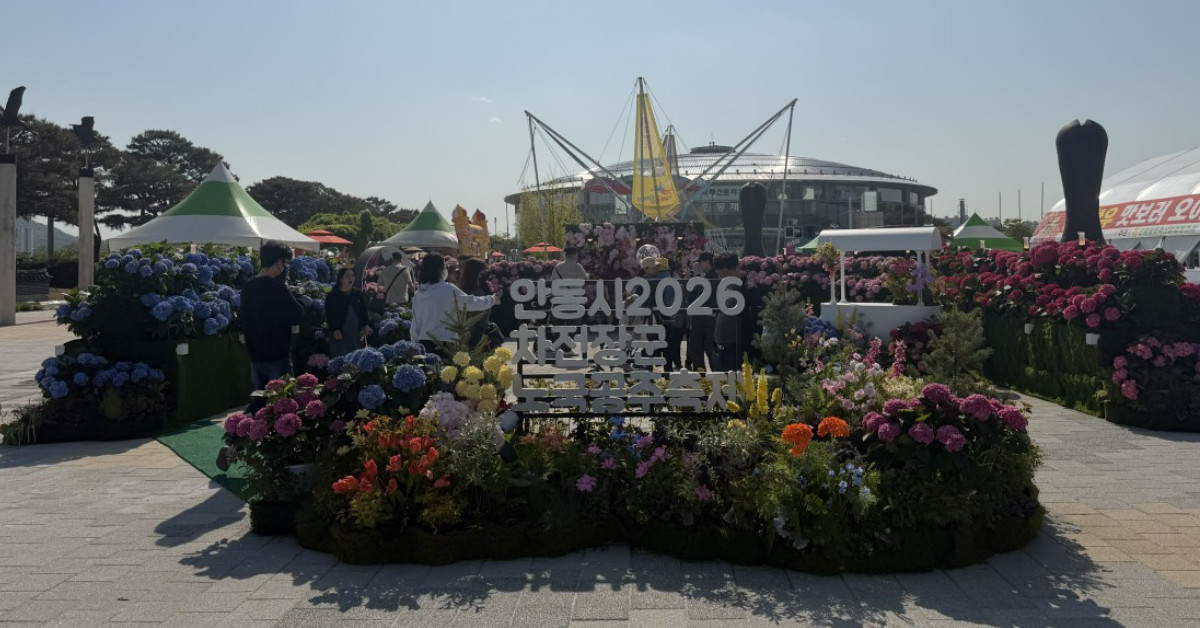
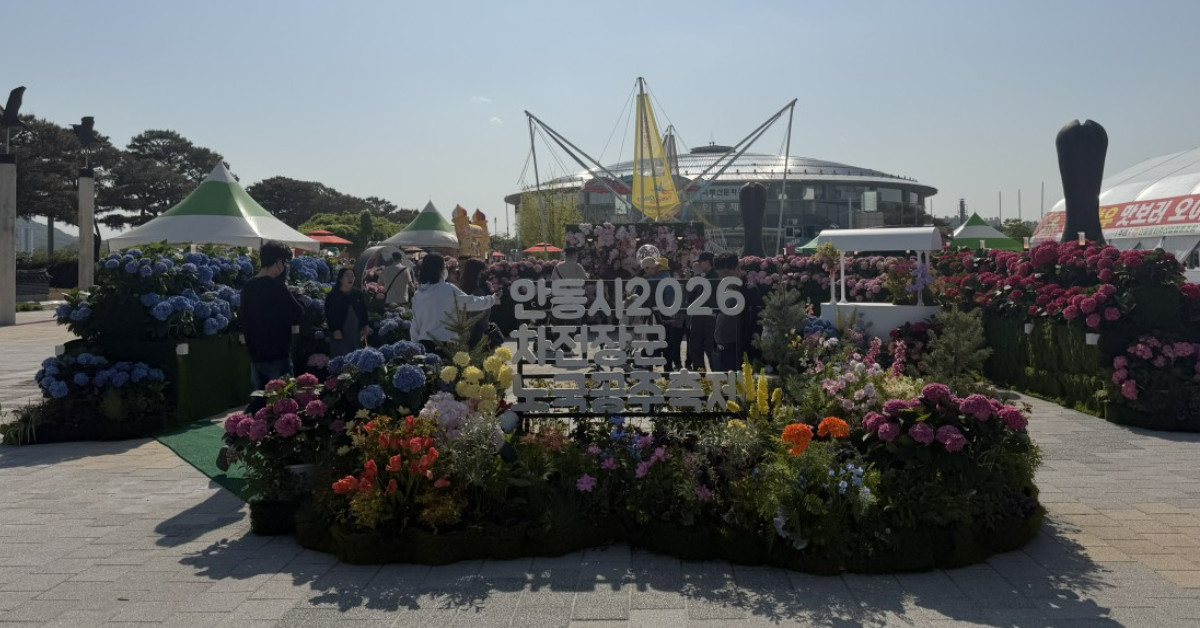
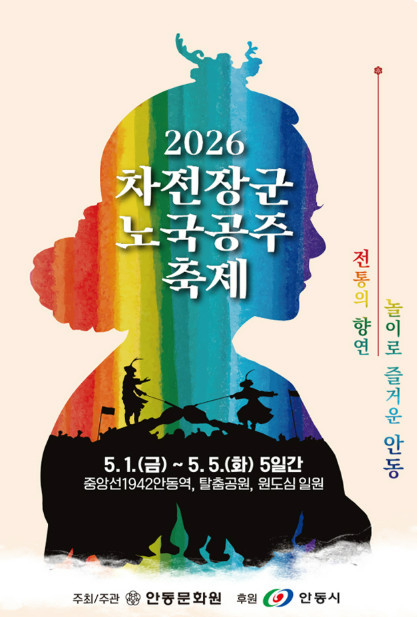
Ahead of Children’s Day, Andong in North Gyeongsang Province is staging a family-friendly celebration of traditional folk culture. The Cha-jeon Janggun Noguk Gongju Festival, held every May, grew from post-liberation efforts to preserve and revive local heritage and has become one of Andong’s signature events. This year, organizers blend hands-on kids’ activities with traditional performances to create a multigenerational cultural playground.
Andong’s folk traditions began to be systematized after liberation, as communities worked to reclaim cultural assets. In 1954 the Andong Folk Games Preservation Society formed and reimagined historical games like chajeon-nori and nodari-bapgi (bridge-stepping) with a contemporary sensibility. The productions went beyond simple restoration, adapting performances to reflect modern times. That broader appeal helped launch the first official Andong Folk Festival in 1968.
By the 1980s, those traditions received formal recognition: Andong’s chajeon-nori was designated a National Intangible Cultural Property, while Andong’s nodari-bapgi became a North Gyeongsang Provincial Intangible Cultural Property. After running for decades, the festival was renamed in 2023 to Cha-jeon Janggun Noguk Gongju Festival, giving fresh momentum to Andong’s historical story.
The festival site is organized into zones to suit different visitor interests. At Daedong Madang, on the old Andong Station site along the Jungang Line 1942, the Daedong Stage hosts large-scale folk performances. Nearby, the East Asian Folk Village and the “Wang Geon’s Secret Base” area function as hands-on, history-based learning spaces. Food and drink offerings are split between an East Asian gourmet restaurant area and an outdoor barbecue dining zone to streamline operations.
Families should note the playground and water zone near Talchum (mask-dance) Park — these are expected to be the busiest spots over the holiday. Active, creative programs like the Cha-jeon Three Gates Adventure and saekdong play provide movement-focused fun tailored for kids and families celebrating Children’s Day.
Stalls promoting traditional liquor and local farm and livestock products, alongside a food-truck area, connect the festival to the regional economy. Visitors can dive into nostalgia at a '70s–'80s disco night market and a newtro photo zone, then browse local crafts at the flea market.
Stamp tours dotted around the grounds guide visitors to navigate the large site efficiently. The indoor venue for the Andong Arts Festival and the wildflower exhibit offer quieter spaces for those who prefer a more contemplative experience. Organizers have also provided comforts like nursing rooms and a market to ensure a pleasant visit.
After enjoying the festival buzz, add nearby Hahoe Village to your itinerary. The UNESCO World Heritage site is a short drive away, making it perfect for a day trip or an overnight stay. If the festival offers vibrant reinterpretations of folk games, Hahoe lets visitors soak in traditional Korean architecture through centuries-old hanok homes and clan estates.
Watching a regular Hahoe Byeolsingut Talnori performance and climbing Buyongdae on the Nakdong River to take in the village view are essential ways to understand Andong’s cultural depth. Combining the hush of a traditional village with the festival’s lively energy gives families a rich mix of learning and fun on Children’s Day.
Andong City says the festival demonstrates that folk heritage isn’t a museum piece but a living, breathing part of modern life. Chajeon-nori’s strong community spirit and nodari-bapgi’s subtle teamwork capture the heart of Andong’s cultural identity. By bringing locals and visitors together, this year’s event advances the modern preservation of tradition and further cements the festival’s place among Korea’s standout cultural celebrations.